Skip to content

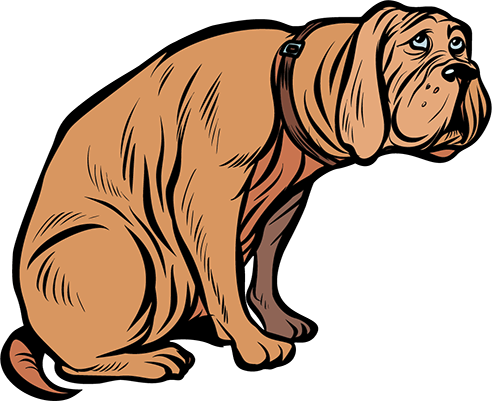
Let’s talk about thunderstorms. Dogs are sensitive to changes in barometric pressure, so they’re aware of an approaching storm long before you are. Some long-coated dogs experience static and get shocked unless they find a spot to ground themselves. That’s why so many dogs want to hide in the bathroom during a storm. It’s got pipes, tile, and rubber-backed mats, all which provide grounding.
If you have a long-coated dog and you suspect he’s experiencing shocks during storms, wipe him down with organic dryer sheets. Do not use the standard ones or the static spray because they are loaded with chemicals the dog could lick off and then become ill, but the organic ones – particularly scented with lavender which is calming – seem to help.

Provide your dog with a hidey-hole. Leave the door to the bathroom or basement open, leave the lights on so the scariness of lightning flashes is lessened, and have tile or rubber-backed mats on the floor to diminish static. Have a sturdy rubber chew toy there so your dog can relieve his anxiety by gnawing on something approved. You can also use background music or the television to help mask the fear-inducing noise.
No matter what noises cause your dog’s skittishness, you can take steps to desensitize him. While giving your dog treats, have someone drop a book or pan in another room. When he no longer reacts to the noise, ask the person to drop the noisemaker a little closer to the dog. Take baby steps in your progression. If the dog startles at any time, have the noisemaker move further back again.
That’s the same approach we take when properly socializing pups. We introduce them to weirdness such as wheelchairs, people wearing motorcycle helmets, sirens, umbrellas opening, loud noises, etc., and while exposing them to these stimuli we drop delicious treats in front of them. We don’t speak, just toss a treat or two. Odd things are less scary when food is falling from the sky at the same time. They begin to associate that unusual situation, sound, or person with treats. Anxiety averted. Dropping treats nearby helps the dog see the “silver lining” in the situation.
For thunderstorm-fearful dogs, you can get audio recordings of thunderstorms. Give your dog treats while you play the sounds at a low level. As he gets used to it, you can slowly increase the volume. If he becomes wary, decrease the sound back to a level where he can cope.
While I am reluctant to endorse any product, many of my clients swear by compression shirts, which calms your dog by making them feel “hugged.” Other clients could not get by without over-the-counter anti-anxiety aids, myself included. My two largest dogs are both short on coping skills and benefit from a doggy calming food additive.
Understand that there is no magic pill for phobias. Even a veterinarian-prescribed anti-anxiety medication will be most effective if it is part of a common-sense desensitization endeavor. Be patient, be kind, and above all, be consistent in your efforts to help your dog conquer his fears. It takes time, but it is worth it.
About the Writer: Molly Dugger Brennan (mollythedogtrainer.com) adores dogs to the extent that her Harrisonburg, Virginia-based training “is so much fun, it doesn’t feel like work.” Her classes include Puppy, Beginner (five months to any age), Intermediate, Advanced, Trick, Private lessons, and Therapy Dog. She tests for the American Kennel Club’s Canine Good Citizen (CGC) titles and the STAR Puppy certification.