Behind Blue Ridge Country

CURRENT Behind Blue Ridge Country

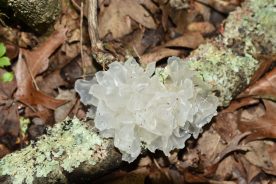
White jelly snow fungus growing in the author’s Botetourt County, Virginia woodlot.

May’s Wild Edible: White Jelly Snow Fungus

“Pass the fungus,” is not common dinnertime conversation in the Blue Ridge Mountains region, but that’s because folks perhaps have not heard of the white jelly snow fungus.
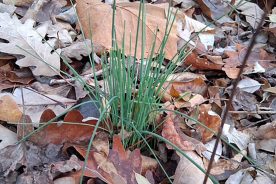
Wild garlic growing in Fayette County, West Virginia.

April’s Wild Edible: Wild Garlic

Fayette County, West Virginia’s Mitchell Dech is one of my foraging mentors, and when he wants me to try an edible new to me … I’m ready to learn about it.
A May apple in bloom in Southwest Virginia.

March’s Wild Edible: May Apple

Sometime this month in the Blue Ridge Mountains, one of these highlands’ signature spring plants will ease from the soil … the May apple (Podophyllum peltatum).
e1b70596-05c8-11f1-92e0-1248ae80e59d-3-2026rueanemone--credit-Joe-Cook

March’s Mountain Wildflower: Rue Anemone

A member of the buttercup family and found in the open woodlands, rue anemone (Thalictrum thalictroides) has long, thin stems that tremble in the slightest of winds—prompting its other common name, windflower.
Pokeweed growing in Floyd County, Virginia.

January’s Wild Edible: Pokeweed

Pokeweed is one of the wild plants that is most associated with the Blue Ridge Region.

Departments

Smith Mountain Lake Virginia is a hidden gem within the Blue Ridge Mountains. This beautiful area features boating, sailing, hiking, shopping, fishing, and much more.
From The Editor

Sarah Smiles: The Lake Effect

Growing up, many of my weekends were spent at my late step-grandmother’s house on Smith Mountain Lake in Virginia.

CALENDAR OF EVENTS