Skip to content

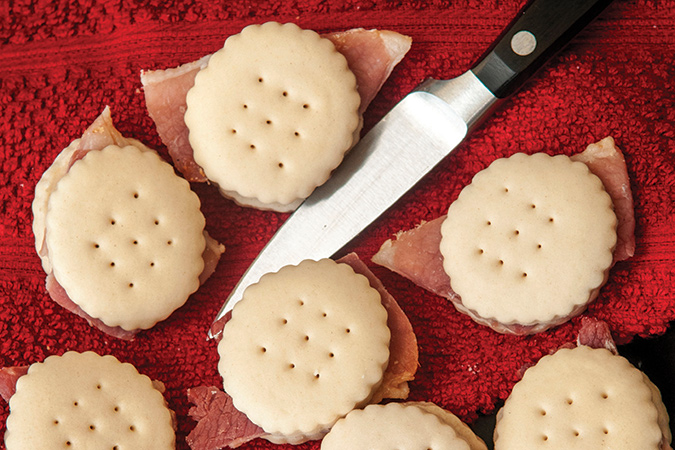
Beaten biscuits are a 200-year tradition. Courtesy: Larry Smith
We follow a trail of our favorite tastes from eastern Kentucky.

From historic soft drinks to filling station pizza rolls, we have always been fascinated by the foodways of Kentucky. Many of the traditional dishes of the state’s eastern region mirror the meals we grew up eating in Northeast Tennessee and Southwest Virginia. But crossing over the line into the Bluegrass State also yields some tasty surprises.
Eastern Kentucky is solidly inside the Soup Beans and Cornbread Belt. A bowl of pinto beans simmering in a minimalist broth of water and seasoned with pork, alongside cornbread baked in a black-iron skillet, remains one of the region’s simplest and most treasured repasts. It’s a pennies-per-serving meal that reflects the hardscrabble existence of mining families and subsistence farmers. And it connects directly back to the ancient influence of Native American practices on the cooking of this part of Appalachia, using two of indigenous peoples’ “three sisters,” beans and corn—the other being squash.
A pot of soup beans can be prepared using no more than four elements: the beans, water, some form of pork such as lard or ham hocks, and perhaps some salt. In Eastern Kentucky, as in neighboring states, the most common topping is a handful of chopped, raw onions. Folks favor chow-chow there, too. The vinegary relish is made with the last of the garden’s fresh vegetables in late summer and early fall.
Its culinary genealogy may not be quite as lengthy as cornbread’s, but Kentuckians have been serving spoonbread for a long, long time. Part of its modern-day popularity can be attributed to the influence of the Boone Tavern in Berea, where it’s the beginning of every lunch and dinner.
The late food historian, Kentucky native, and our good friend John Egerton described his home state’s spoonbread as “a steaming hot, feather-light dish of cornmeal mixed with butter, eggs, milk, and seasonings and lifted by the heat of the oven to a soufflé of airiness.” Another writer claimed it to be “the apotheosis of cornbread.”
For over 25 years, Berea has celebrated spoonbread through an annual festival. This year’s event takes place September 15-18.
Kentucky breads run the gamut, from the lightness of spoonbread to the density of beaten biscuits. John Egerton once owned a biscuit brake, a piece of equipment engineered in the late 19th century to take some of the manual labor out of the making of beaten biscuits through the turning of a crank, as opposed to whacking the dough with an ax handle or a baseball bat in order to introduce air.
Whereas spoonbread is light, beaten biscuits are dense—essentially cousins of hardtack. But beaten biscuits remain an essential element of the Kentucky table, encasing slices of the state’s famous cured country ham. They have been baked and served in one form or another in Kentucky for at least two centuries.
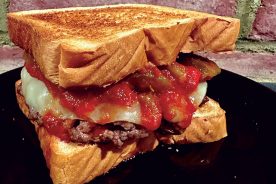
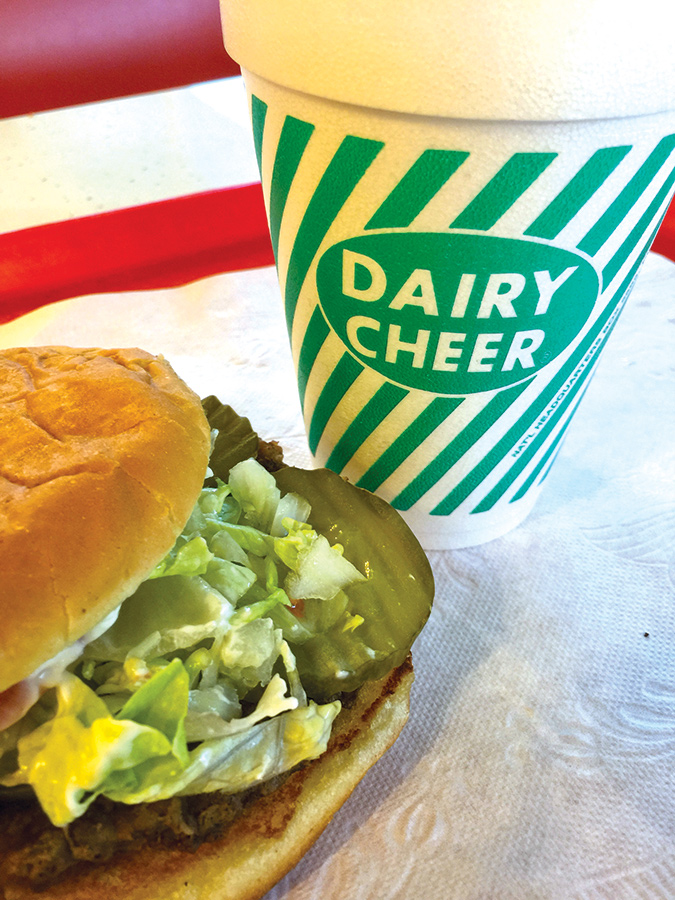
Our Kentucky travels have also yielded such delights as Pikeville’s oddly named Smashburger, served at The Dairy Cheer. Its name is derived from the welcoming sound of turner against raw meat against metal griddle. We’ve even come to know the cheese-sauced Smasharue.
Reader Mariah Smith guided us to some good gas station dining in that same county.
“You can’t eat in Pike County without grabbing a legendary Italian pizza roll from any of the Double Kwik markets,” she tells us. Mariah says the pizza rolls are made fresh with homemade dough. They’re filled with pepperoni, ham, salami, cheese, banana peppers, and Italian dressing. And even in these inflationary times, you can catch them at prices under $3 each.
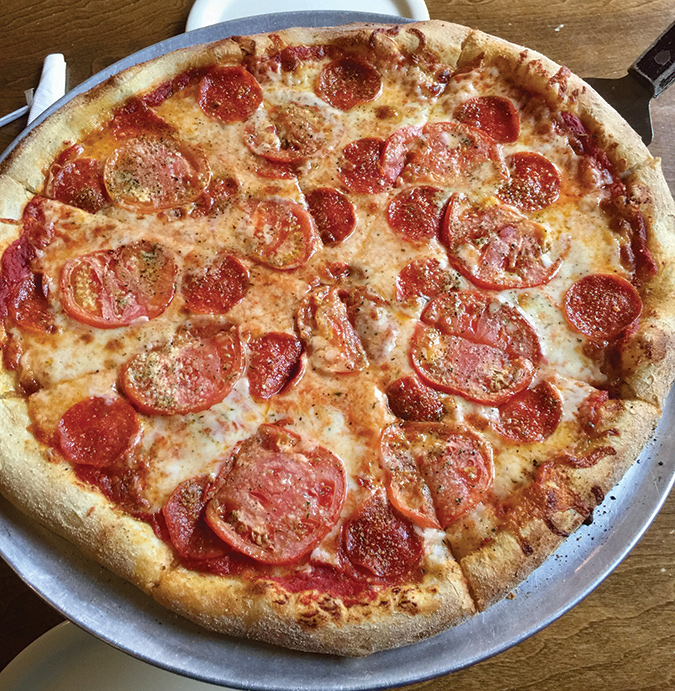
At Chirico’s Ristorante in Pikeville, brothers Frank and Josh Chirico recreate the Italian recipes of their great-grandmother Gracia. Some of the restaurant’s sauces take up to two hours to prepare, including the marinara used in the Italian classic chicken cacciatore. All the restaurant’s pizza dough is made from scratch, rising for hours before being topped and baked in a brick oven.
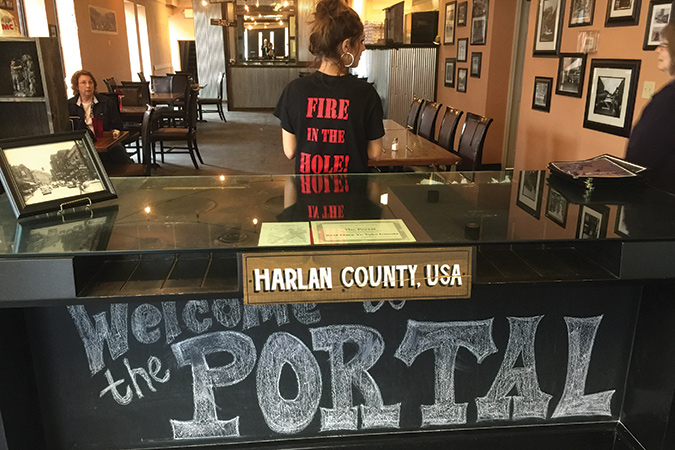
Over in Harlan, we discovered The Portal, where wood-fired pizza is baked at around 600 degrees over seasoned hardwoods. The region’s coal-mining history is well-documented in photographs throughout the building that housed the Harlan National Bank for about 80 years.
As for sweets, Kentucky’s pride is an all-natural one. Tennessee and Kentucky are the country’s most prolific sorghum-producing states. Kentucky’s climate is perfect for the growing of sorghum cane, which is planted in late spring and matures in late summer to early fall, when it is cut, squeezed, and boiled down into the precious syrup that sweetens everything from pumpkin muffins to dried apple stack cakes to bowls of cereal in the morning.
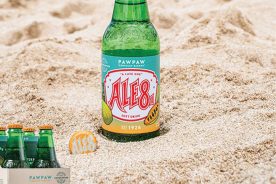
And finally, we end our tribute to Eastern Kentucky with a toast. The central and western parts of the state are known for the world’s best bourbons. But in the eastern part of the state, green-bottled Ale-8-One captured our attention about 15 years ago. Despite its name, it’s a non-alcoholic soft drink that has been made in the city of Winchester since 1926, when a little girl, whose name has been lost to time, won the naming contest at the Clark County Fair by submitting “a late one” as the proposed name of the new drink. That phrase was transformed into Ale-8-One, and the company that makes the gingery beverage has been in the hands of the same family ever since.
In Kentucky, tradition matters.
Boone Tavern Spoonbread
- 4 tablespoons unsalted butter (1 tablespoon softened,3 tablespoons melted)
- 3 cups milk
- 1 ¼ cups finely ground white cornmeal
- 1 teaspoon baking powder
- 1 teaspoon fine salt
- 2 eggs, well beaten
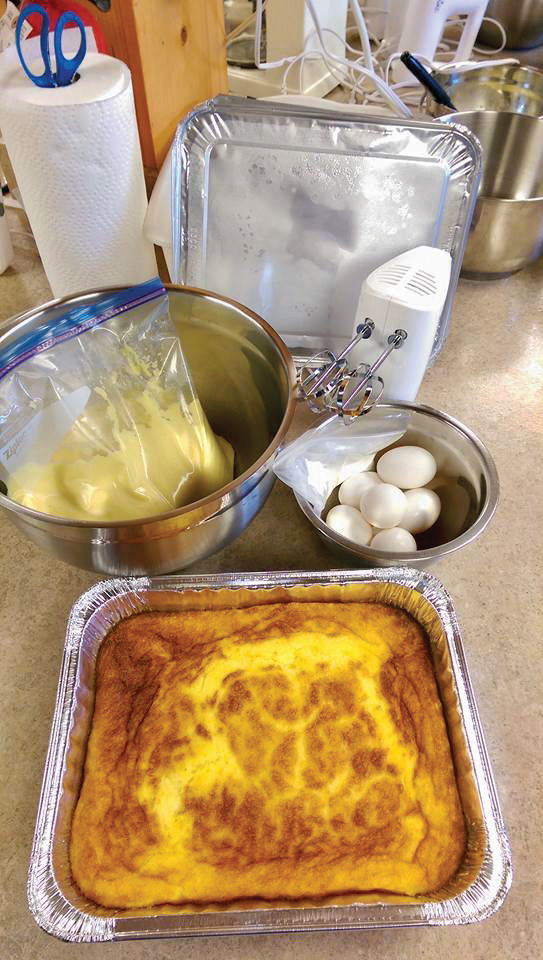
Grease a 9-inch round cake pan with some of the softened butter. Cut out a parchment paper circle to fit inside the pan, nestle it into the bottom, and grease the paper with the remaining softened butter. Set the prepared pan aside.
In a 2-quart saucepan, bring the milk to a boil, whisking occasionally, over high heat. While whisking, pour in the cornmeal in a steady stream. Whisk vigorously to incorporate the cornmeal, for about 1 minute. Remove the pan from the heat and set aside to let the cornmeal mixture cool to room temperature.
Heat oven to 350°. Transfer the cornmeal mixture to the bowl of a standing mixer fitted with a paddle attachment. Add the remaining butter, baking powder, salt, and eggs and mix on medium speed until uniform and aerated, about 15 minutes.
Pour cornmeal batter into the prepared pan and bake until golden brown and puffy and a toothpick inserted in the center comes out clean, about 1 hour and 20 minutes. Serve immediately.
Serves 6-8.
Source: Saveur, July 31, 2013
Fred and Jill Sauceman study and celebrate the foodways of Appalachia and beyond from their home base in Johnson City, Tennessee.
The story above first appeared in our May / June 2022 issue.