Skip to content

The Blue Ridge region boasts many superb rivers to canoe, kayak and fish. But for easy paddling, fetching scenery, quality bird watching and much improved fishing, the South Fork of the Shenandoah and the Main Stem Shenandoah in Virginia and West Virginia rate a look.
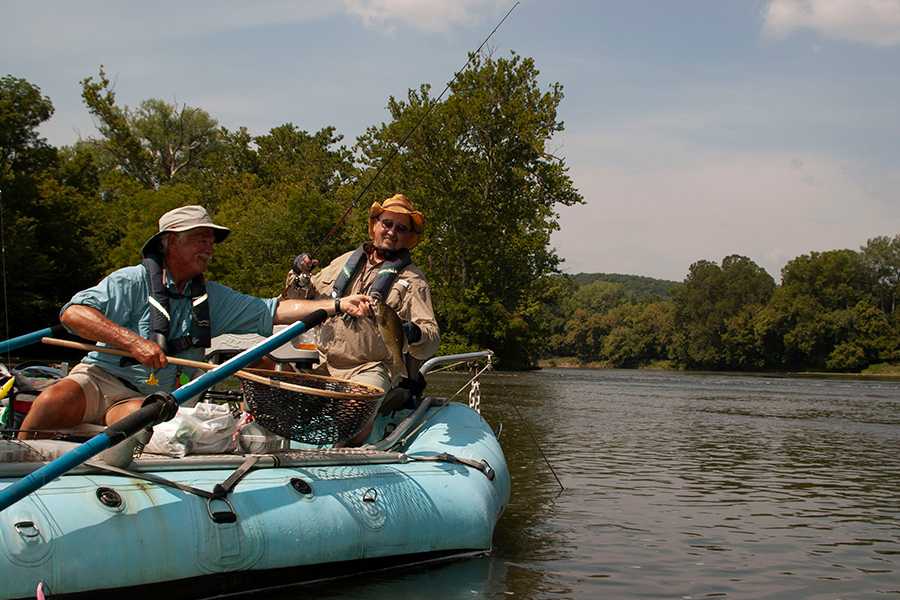
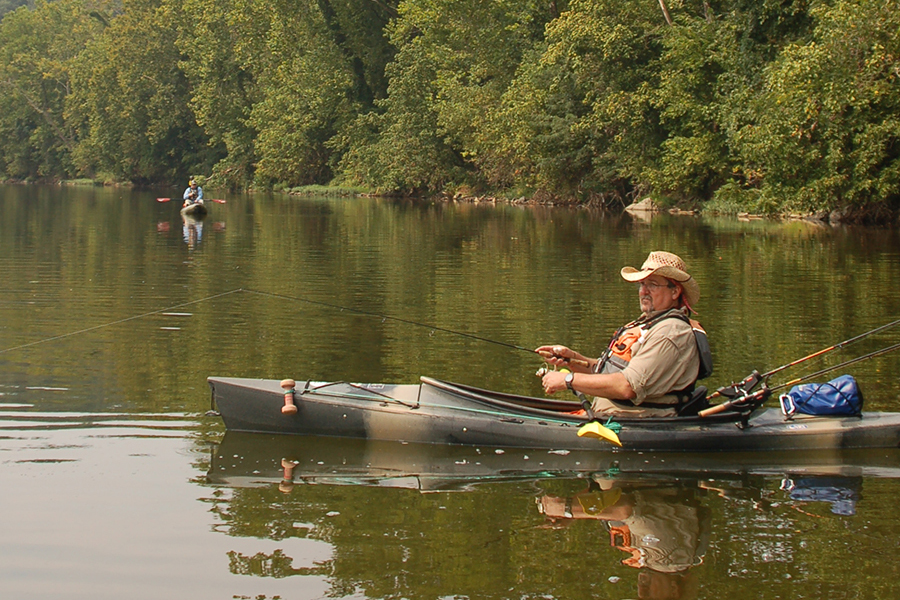
Photo Above: As this action shows, the South Fork and Main Stem are once again offering quality smallmouth fishing.
Photos Courtesy of Bruce Ingram.
This is especially true because of the South Fork and Main Stem’s continuing recovery from the fish kills that devastated the two waterways some 15 years ago. Sandra Charles, who formerly operated the Lackawanna B&B in Front Royal with her husband Phil, says her community is reaping the benefits of a cleaner river.

“Front Royal is once again, as the saying goes, the Canoe Capital of Virginia,’” she says. “Thanks to organizations like the Shenandoah River Keeper, the river has been cleaned up. I really like to promote what is happening on the river. It’s a beautiful thing to see people again coming to enjoy the Shenandoah. The past two riverkeepers, Mark Frondorf and Jeff Kelble, have done a marvelous job.”
I asked folks along the South Fork to reveal their favorite excursions.
Bixler Bridge to Fosters (9 miles)
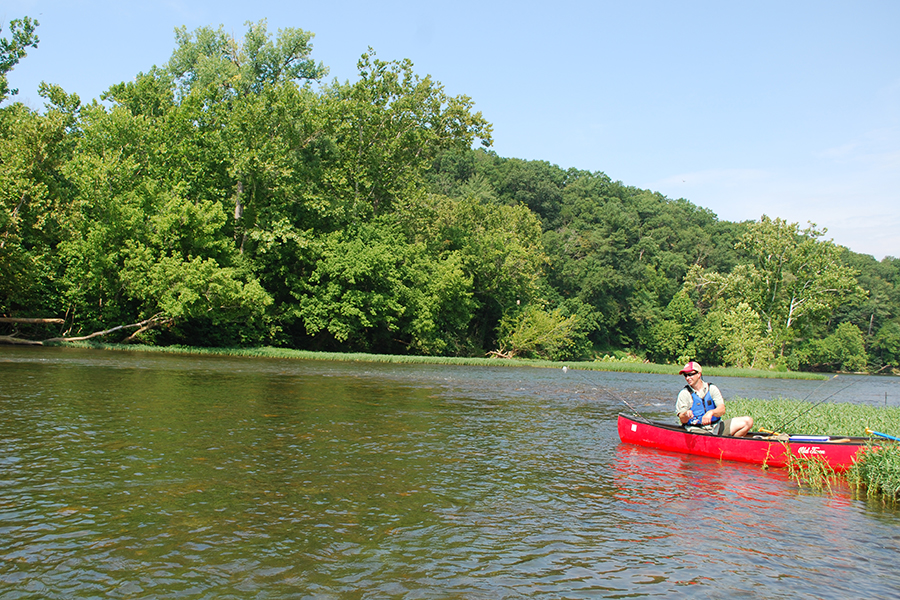
Description: Christian Goebel, whose family operates Shenandoah River Outfitters in Luray, says that the riffles and easy Class I rapids make this the ideal float for intermediate and novice paddlers as well as folks more interested in fishing than running rapids. Between mile points two and four lie Mill Dam Rapids and Keyser Falls, gentle Class I rapids that offer solid fishing upstream and down from them.
Scenery: “As you float, stop to admire the farmlands in the foreground and Massanutten Mountain in the background,” says Goebel. “Another scenic area is where Hawksbill Creek enters; there’s a bluff and a series of islands.” Native American fish traps, which look like an upside down V from upstream are common on this excursion, too, he adds.
Tidbits: National Forest campsites exist at mile six of this getaway on river left. Goebel says they are relaxing places to spend the night.
Access Points: Bixler Bridge (river left ramp) on Bixlers Ferry Road; Fosters (river left ramp) on Page Valley Road. Shenandoah River Outfitters: shenandoah-river.com, 800-6CANOE2
Seekford to Bentonville (11 miles)
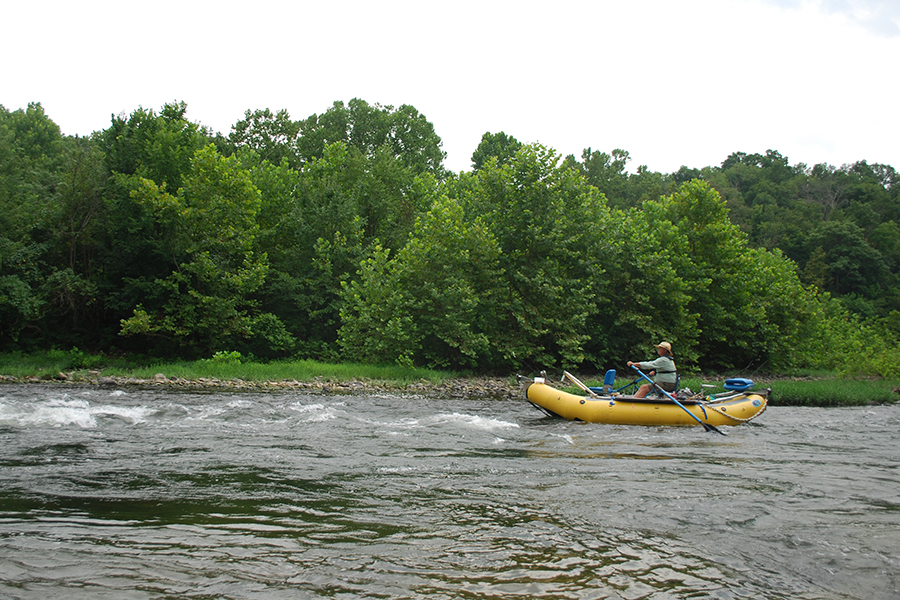
Description: Downriver Canoe owner John Gibson considers this getaway one of the Shenandoah’s premier ones. “Class II Compton is the major rapid on the South Fork,” he says. “The three-foot standing waves and wave train are a little challenging, but no quick maneuvering is required to pass safely through.”
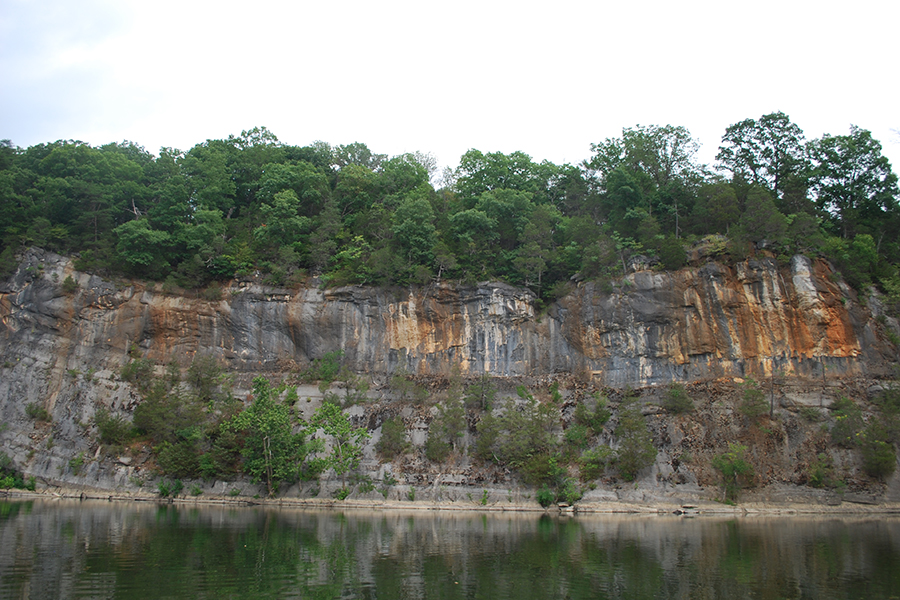
Scenery: Gibson maintains that some of the best panoramas in the entire Shenandoah Watershed exist on this junket as much of the float lies within the national forest or private land in conservation easements. Many farms dot the shoreline as well. Expect ospreys, kingfishers, and the occasional bald eagle to enhance those transcendent views. Golden Rocks lies directly below Compton Rapids and this expansive limestone bluff with yellow hues dominates the skyline.
Tidbits: The red-headed woodpecker, which is listed as “near threatened,” can be found about two-thirds through this float says Gibson. Smallmouth bass fishing has been “terrific” this past summer adds the livery operator.
Access Points: Seekford (river left ramp) on Page Valley Road; Bentonville (river left ramp) at bridge on Indian Hollow Road. Downriver Canoe Company: downriver.com, 800-338-1963
Karo to Front Royal (6 Miles)
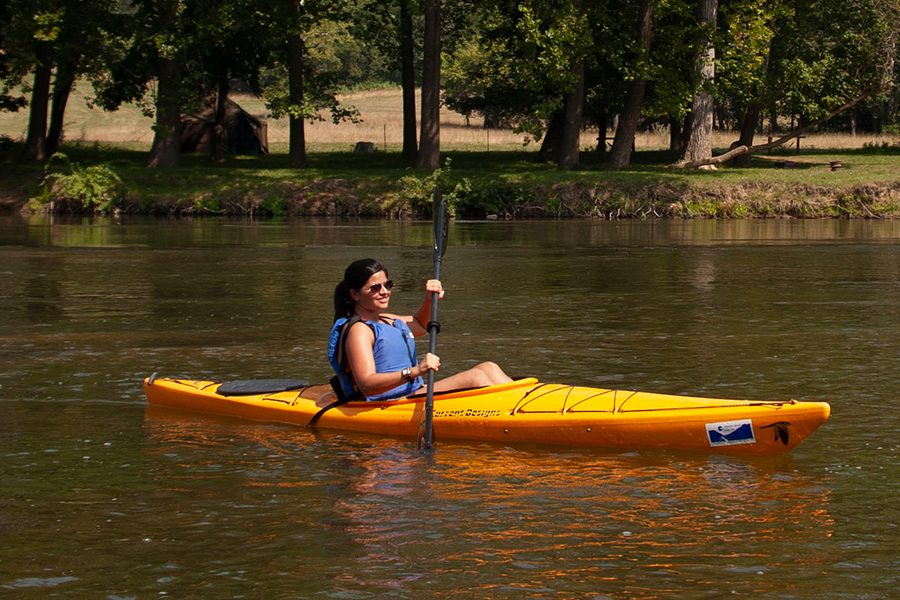
Description: Don Roberts, who operates Front Royal Outdoors, rates this getaway as one of his favorites because of the quality smallmouth bass fishing and the eagles that often soar over this section. A large great blue heron rookery adds to the appeal. Occurring at the beginning of the float, the Class I-II Karo Rapid is the major drop; run this rapid down the middle.
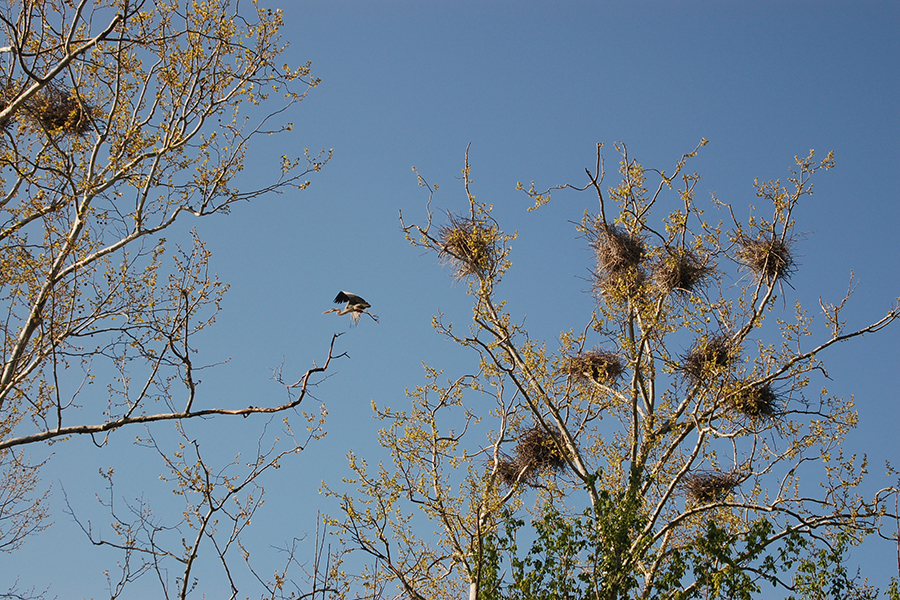
Scenery: A number of islands dot this float; and bluffs, fields, and a silo mark the half-mile long Kings Eddy. Roberts relishes the views of Massanutten Mountain, especially on blue sky days. Boulders near the float’s terminus are photo worthy.
Tidbits: One of the most interesting names for a drop is this float’s Three Chute Rapid, a Class I pocking the river near the excursion’s end. The middle pathway is best.
Access Points: Karo (river right ramp) on Chapman Farm Road; Front Royal (river right ramp) on Route 681. Front Royal Outdoors: frontroyaloutdoors.com, 800-270-8808
Front Royal to Riverton (4 miles)
Description: Sandra Charles often recommends this trip, especially folks experiencing paddling for the first time and because it is so close to Front Royal. The riffles and a lone Class I are extremely easy to navigate.
Scenery: High points include an old wooden barn on river left near put-in. Halfway through float, the sycamore lined shorelines, the entrance of Punches Run on river left, and a multitude of riffles are photo worthy. Three small islands and two railroad bridges near the end are very fetching as well. “Part of the float flows through Front Royal, but you feel like you’re way out in the country most of the time,” says Charles.
Tidbits: At the end of the float, you’ll paddle through three separate rivers. That’s because the South Fork merges with the North Fork to form the Shenandoah, and you’ll have to paddle up the North Fork for a few minutes to reach the Riverton take-out.
Access Points: Riverton (river left ramp) on Guard Hill Road.
Shenandoah Riverkeeper
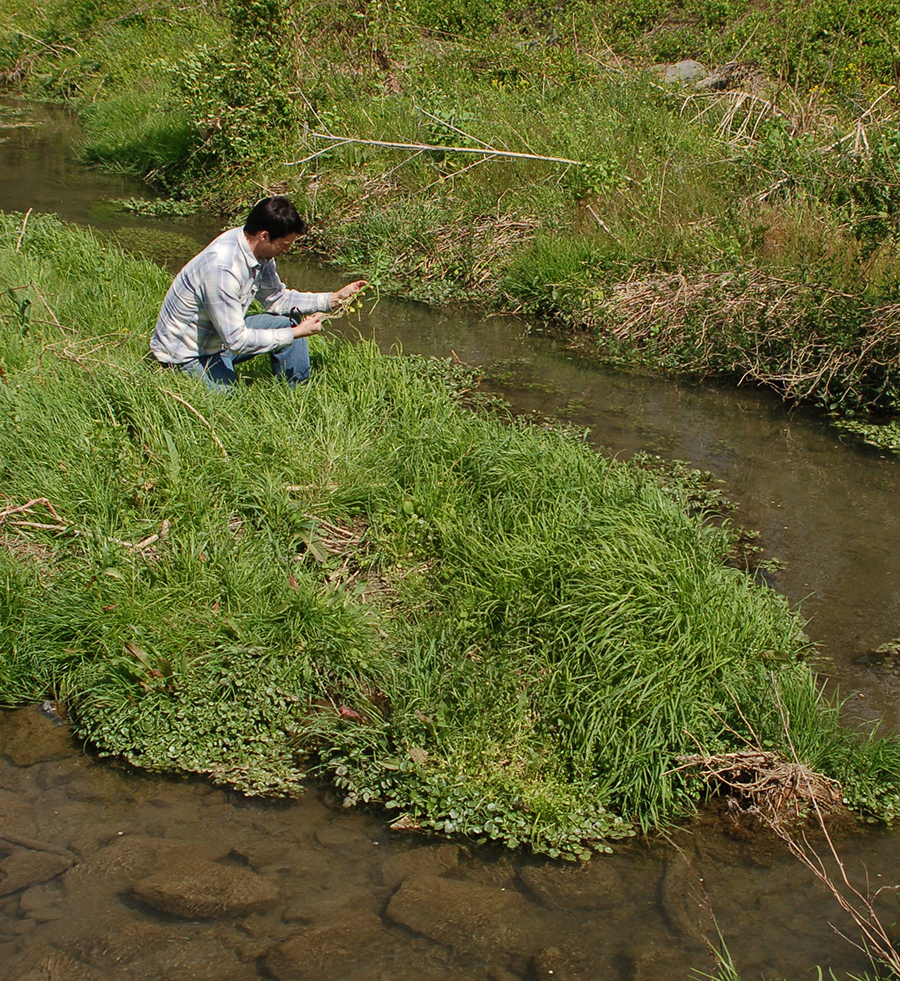
I’ve spent several pleasant days on the South Fork and other streams with Riverkeeper Mark Frondorf. You know someone cares about a waterway when in the midst of a fishing trip where the smallmouths are actively feeding, Frondorf beaches his raft to show me how the star grass and celery (two aquatic plants indicative of good water quality) are coming back in the watershed. The riverkeeper lists a number of accomplishments since he began in March of 2015.
- Instrumental in helping to stop the Atlantic Coast Pipeline – a proposed 600+ mile unneeded and unwanted natural gas pipeline that would have cut across the entirety of the Commonwealth, including the headwaters of the Shenandoah River system.
- Massanutten Waste Water Treatment Plant permit renewal.
- Got nutrient trading stopped at the facility.
- Numeric nitrogen and phosphorous limits put in place.
- Facility upgrade accelerated from four years to just one year.
- Prevented WWTP from exceeding its permit.
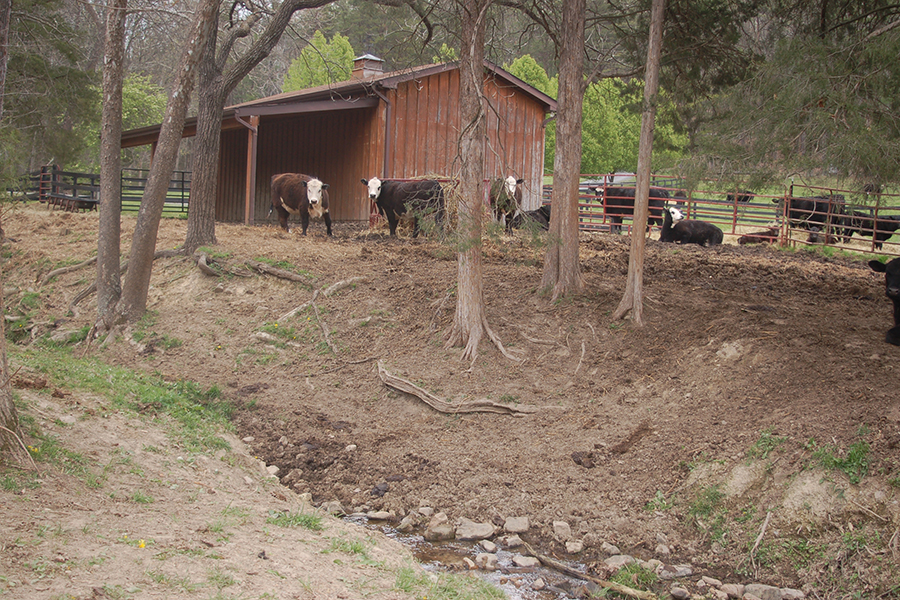
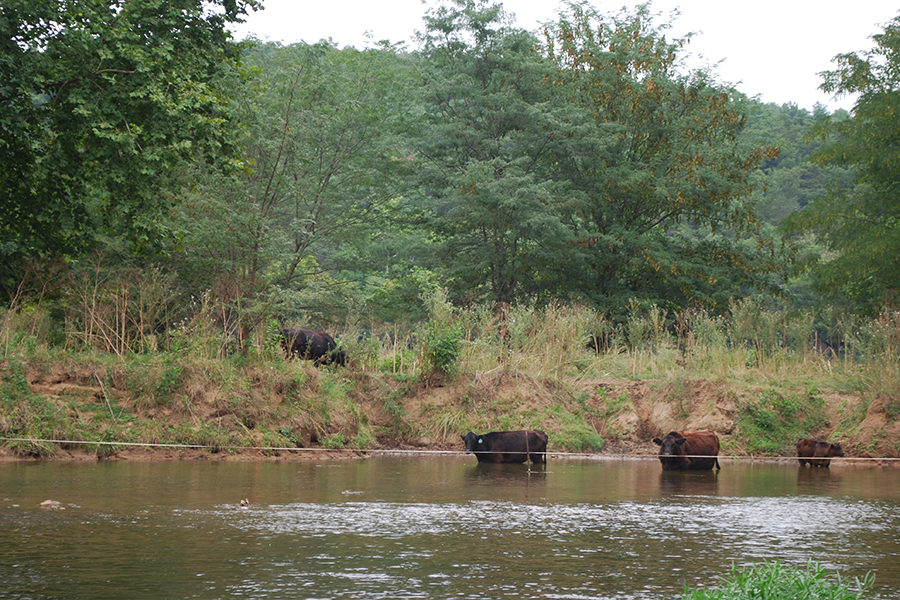
- Helped pass legislation to remove cattle from Virginia rivers and perennial streams by the end of 2025.
- Drove the number of cattle herds directly accessing the Shenandoah River system from 80 herds down to single digits.
- Compelled Department of Environmental Quality to stand up to a Shenandoah Algae Methodology Study which resulted in the development of Chlorophyll A standards for the entirety of the Shenandoah River system.
- As a result of constant pressure by submitting potential evidence of harmful algal bloom on the North Fork of the Shenandoah, the Virginia Department of Health issued their first-ever Harmful Algal Bloom Advisory in the Shenandoah River system in 2021.
- This drew the attention of the Virginia General Assembly and members passed a $2.5M Harmful Algal Bloom Study to see what can be done to address it.
- In 2022, advocated for the Trash Free Shenandoah campaign that resulted in over 60 sites being cleaned up along the river with the help of sixteen organizational partners.
Front Royal as Base
Two of wife Elaine’s and my favorite places to eat in Front Royal are Main Street Mill and The Element. Front Royal: discoverfrontroyal.com; 540-635-5788.
Guide Book
Bruce Ingram is the author of The Shenandoah and Rappahannock Rivers Guide; for more information: bruceingramoutdoors@gmail.com.