Skip to content


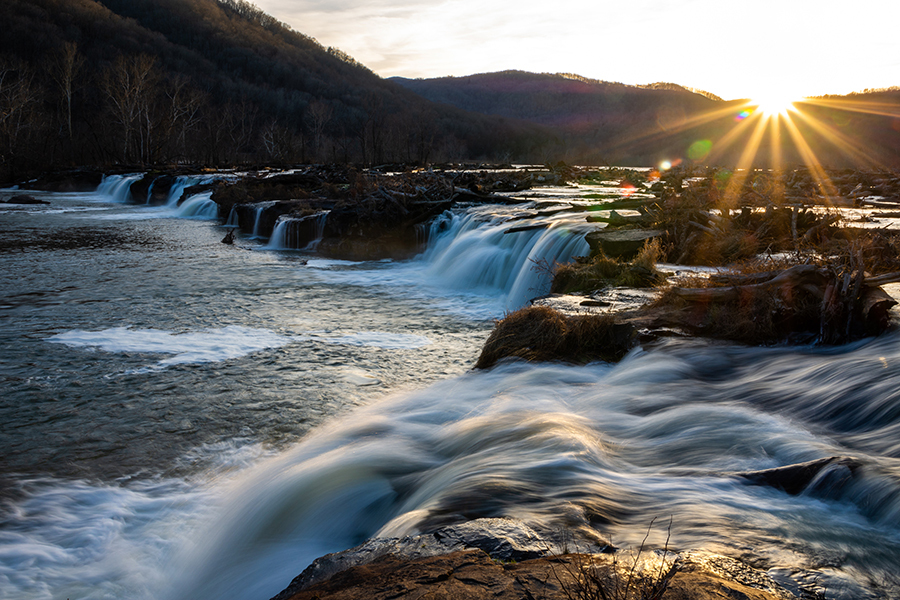
Sandstone Falls is an otherworldly experience that will leave your jaw dropping. It is also one of the most beautiful destinations you will ever visit.
Article & Photos Courtesy of Joshua Moore

I know that’s a lot of high praise, but honestly, it’s the truth. Sandstone Falls will leave you wanting to come back time and time again.
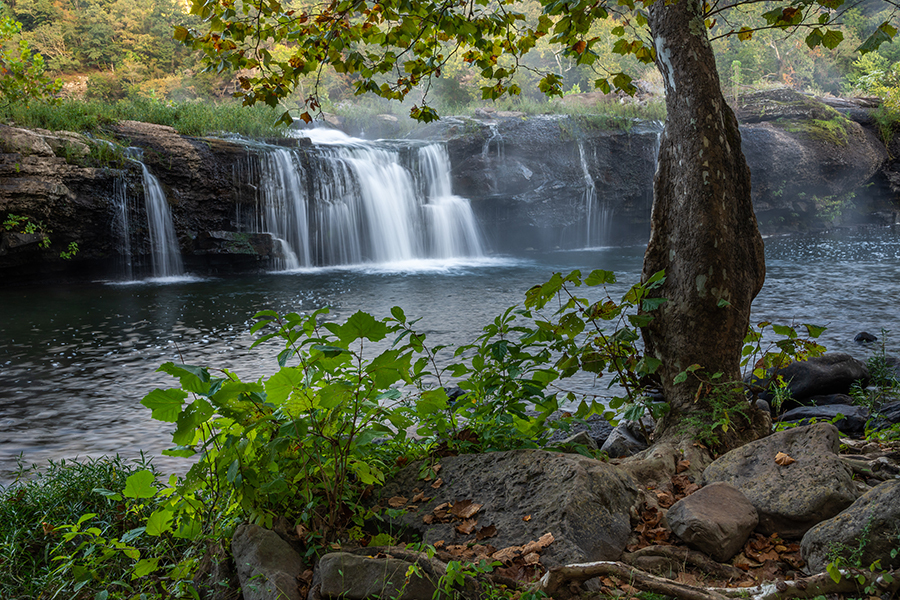
Sandstone Falls is located along the New River in the New River Gorge National Park and Preserve (NRGNPP) in West Virginia. The falls span 1,500 feet and are the largest waterfalls along the New River. The New River drops 10 to 25 feet and is divided by islands.
Sandstone Falls is also the transition zone of the New River, where it goes from being a broad river to a narrow mountain river. The falls were created by erosion over time from the strong flow of the New River, which would wear away the soft conglomerate rock that sits below the hard sandstone layer.
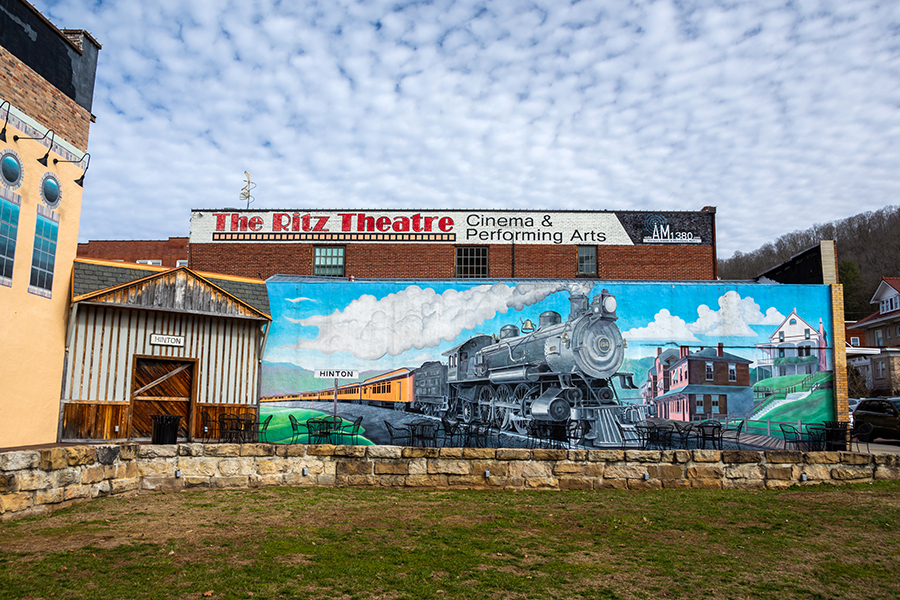
Sandstone Falls is located near Hinton, West Virginia, a beautiful mountain town with good food, Market on Courthouse Square and plenty to do. Hinton has two museums, the Railroad Museum and the Veterans Memorial Museum, and you can pay a visit to the Bluestone Dam, though it is still going through some renovation work. There are plenty of places to fish, canoe and to go birding.
The NRGNPP is relatively large, and everything is spread out, as it covers roughly 70,000 acres of pristine West Virginia beauty. Sandstone Falls can be accessed via the New River Road that follows the river’s edge. The Sandstone Visitors Center for the NRGNPP is a half-hour drive from the falls located just off Interstate 64.
If you are going to the Visitors Center from the falls, you will go through the town of Hinton and up WV-20. Along this road, you will see the Sandstone Falls Overlook. This is a great place to stop and view the falls as a whole from above. There are even bathrooms here.
Once you make it to the Visitors Center located at 330 Meadow Creek Road in Meadow Bridge, West Virginia, go in and check out the great interactive learning displays that will teach you everything you will want to know about the river.
Sandstone Falls does have some handicap accessibility thanks to the boardwalk that goes around the island. However, if you want to get close to the falls, you will need to leave the boardwalk, and this portion is not handicap accessible.
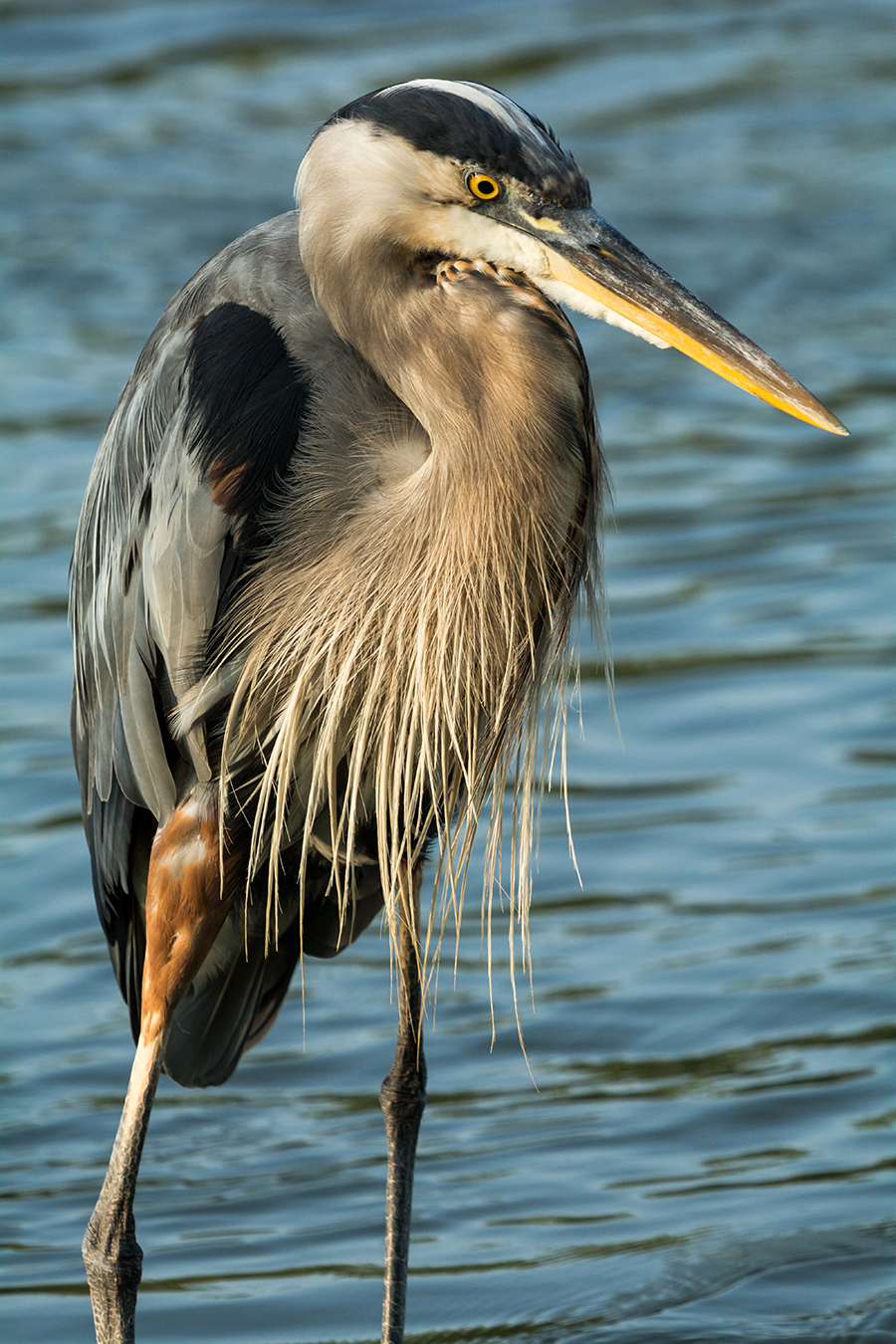
Every angle of the falls offers up a unique view of its own. As a photographer, I was overwhelmed by where to start, not to mention having to pick between the wildlife and the falls. Waterbirds can be found all along the falls, hunting for their next meal. By my second trip here, I started carrying two cameras, one for the wildlife and one I left mounted to my tripod for the scenery.
This is a great place to bring the family, take a day trip or even make it into a weekend getaway. If you live within five hours, you should be asking yourself why you haven’t been here yet. Undoubtedly, this is one of the most beautiful places in America and a place everyone should add to their list of seeing.
ABOUT THIS SERIES:
“Blue Ridge Waterfall Wednesdays” highlights a different waterfall each month from the Blue Ridge region. For the past two decades, Josh Moore has been exploring and capturing the beauty of this fantastic region he calls home. Josh is a professional photographer who has been published internationally, nationally and everything else in-between, and is widely known for his landscape/nature photography. See more of Josh’s work on his website, YouTube channel or on Instagram and Facebook.