Skip to content

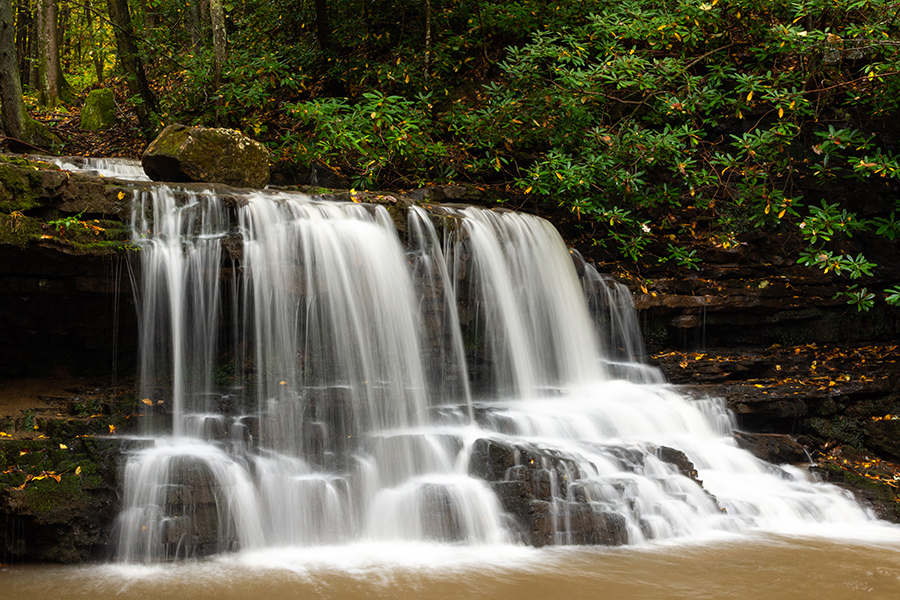
When you think of Laurel Falls in Tennessee, you probably imagine the breathtaking large waterfall in the Great Smoky Mountains National Park. However, there’s another equally beautiful waterfall nearby, without the crowds you typically find in the Smokies.
Article & Photos Courtesy of Joshua Moore

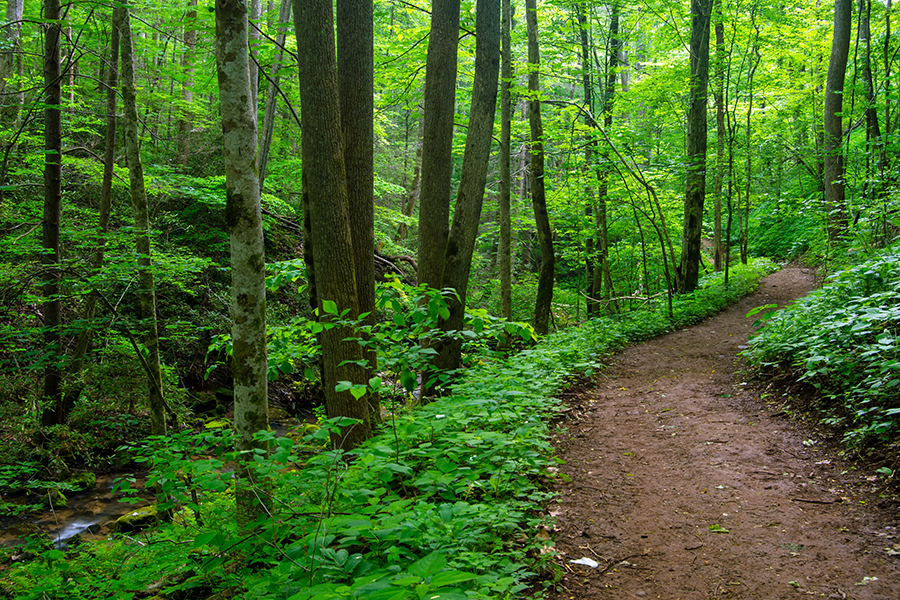
Tucked away in my small hometown, Laurel Falls can be found at Laurel Run Park in Church Hill, Tennessee. It’s an easy 1.8-mile round trip hike that follows a serene creek. The trail is marked with “blue” circles painted on trees to guide you, as there is a split in the trail a quarter of the way into the hike. The split leads up a ridge to an overlook, offering stunning views of the river and the picturesque countryside of Church Hill. Be aware that this side trail can be quite steep.
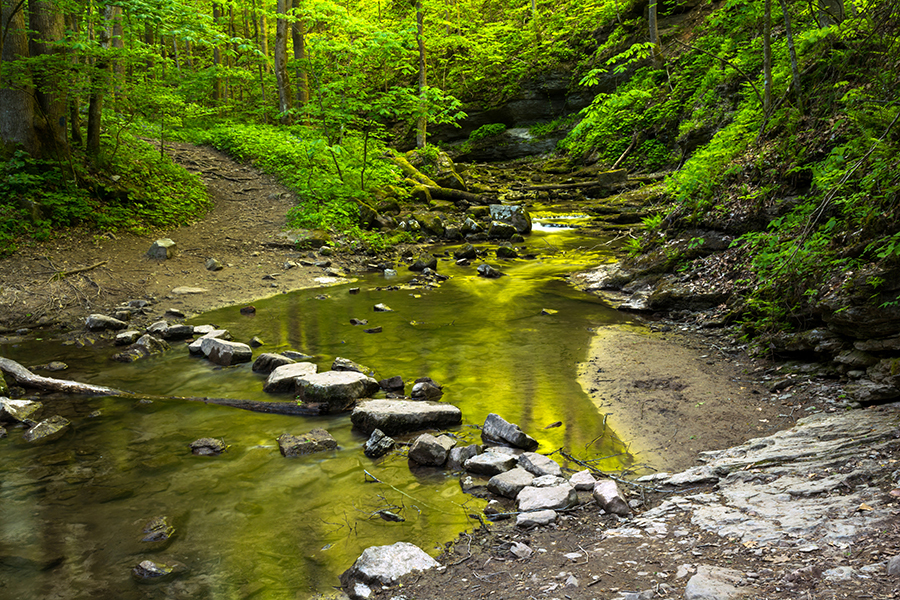
As you venture along the trail, you’ll be greeted by beautiful views of the creek, adorned with small cascades. If you hike in the spring, you’ll be treated to a vibrant display of wildflowers. Spring is a popular time to visit as Laurel Run is known for its abundant blooms, including trillium, trout lilies, mayflowers, Dutchman’s breeches, Virginia bluebells, phlox and more.
The trail does involve a slight elevation gain, but it mostly meanders along the creek’s edge, providing a pleasant and relatively flat walk. The only challenging section is a spot halfway up the trail where you’ll need to cross the creek. When the water is low, you’ll find stepping stones; when it’s high, you’ll have to ford it. Once you’ve crossed the stream, the trail continues along the left side. I have hiked this trail nearly 50 times and on two occasions, I’ve heard what sounded like native American drum beats. After researching, I discovered that others have had similar experiences, so if you’re fortunate, you may also encounter this near the stream crossing.
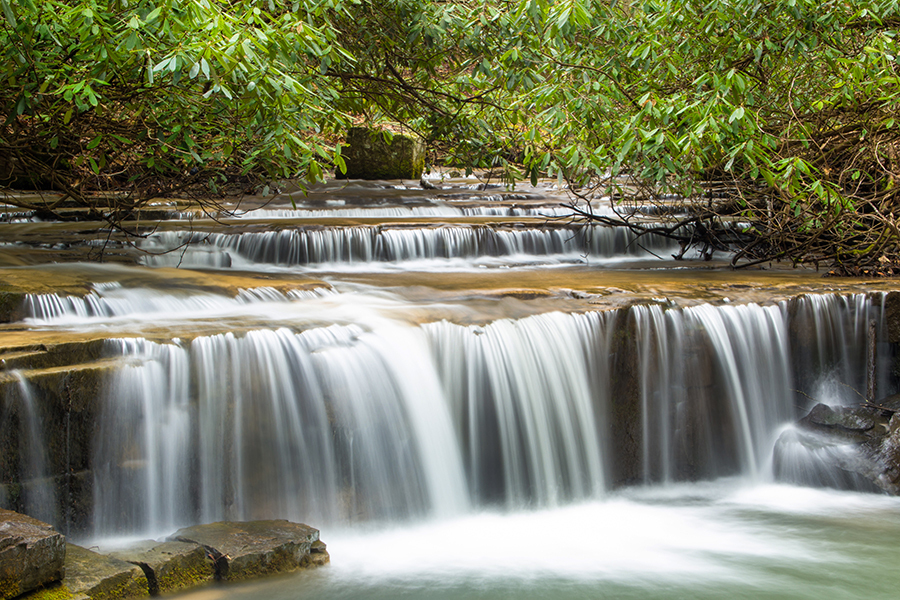
As you proceed further along the trail, you’ll begin to hear the enchanting sounds of Laurel Falls. I highly recommend visiting after a good rain to witness the waterfall at its fullest flow. Above the falls, there’s a picturesque cascade that is perfect for photography.
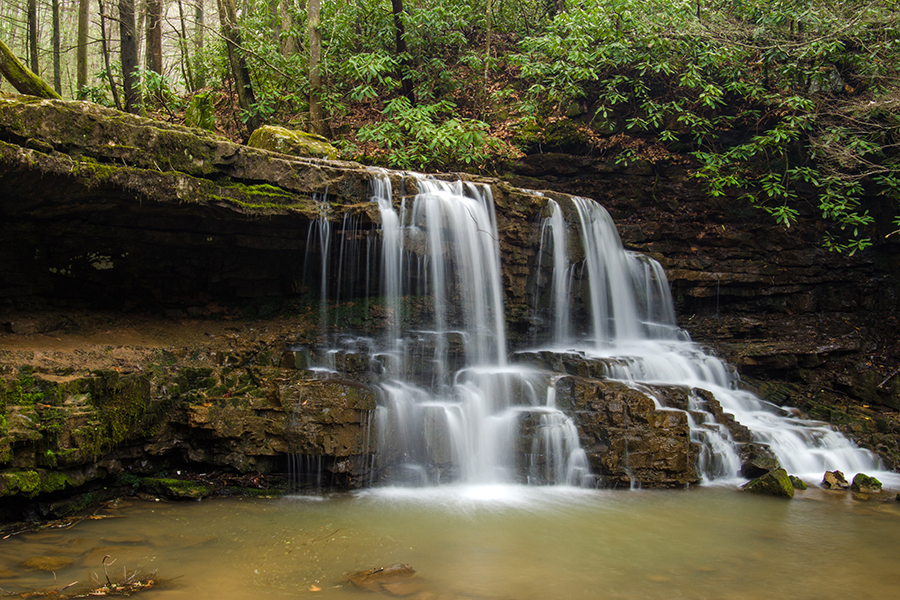
Laurel Falls also offers an area where you can climb and crawl behind the falls, but exercise caution and use your best judgment. In the summertime, the falls transform into a popular swimming hole, so there may be a few people around. The trail is open year-round during park hours.
If you are looking for a moderately easy day hike that offers natural beauty, look no further as this one fits the bill!
Laurel Falls Trail Hours
January through March: 8:00 a.m. to 4:00 p.m.
April: 8:00 a.m. to 7:00 p.m.
May through August: 8:00 a.m. to 8:00 p.m.
September: 8:00 a.m. to 7:00 p.m.
October: 8:00 a.m. to 6:00 p.m.
November to December: 8:00 a.m. to 4:00 p.m.
ABOUT THIS SERIES:
“Blue Ridge Waterfall Wednesdays” highlights a different waterfall each month from the Blue Ridge region. For the past two decades, Josh Moore has been exploring and capturing the beauty of this fantastic region he calls home. Josh is a professional photographer who has been published internationally, nationally and everything else in-between, and is widely known for his landscape/nature photography. See more of Josh’s work on his website, YouTube channel or on Instagram and Facebook.