Skip to content


The story below is an excerpt from our Nov./Dec. 2014 issue. For the rest of this story and more like it subscribe today, view our digital edition or download our FREE iOS app!
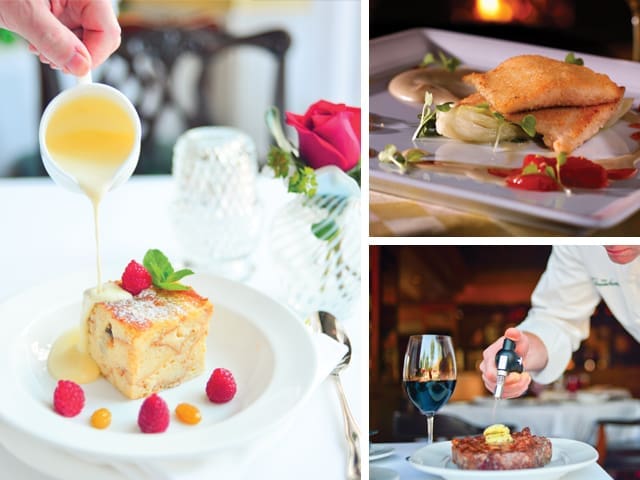
The ties to the region are strong – use of local ingredients, ties to old recipes, regular meetings with farmers – but these chefs create dishes a step or two beyond the traditional.
Think traditional southern mountain cuisine and think ramps, biscuits, grits, pies, anything with apples – think local diners and cafes with curtains in the windows where the regulars have been eating for decades.
There is a dressier version of that in our mountain resorts – but it’s fine dining that hasn’t abandoned its traditional roots, that still goes to the garden, the forest and the fields for fresh ingredients, foraged mushrooms and wild things from berries to deer. These are chefs that follow the seasons as they cook, respecting the years when that’s all a cook could do, at inns whose own histories are lengthy and rooted in the Appalachians.

We visit three of those – in North Carolina, Virginia and West Virginia – and talk with the chefs who are creating new culinary experiences still grounded in familiar flavors and practices.
Old Edwards Inn, Highlands, North Carolina
For a town of fewer than 1,000, Highlands, in a beautiful part of the western North Carolina mountains, has an inordinate number of restaurants. Highlands’ Old Edwards Inn has been an inn since its beginnings, in the early 1880s, when it was the Central House. It traded hands several times over the following decades, run by proprietors called such delightful names as Uncle Dave and Aunt Mat and Diamond Joe Edwards and Minnie Zoellner. In the early 20th century it didn’t have electricity or plumbing and was heated by wood stoves. During Minnie’s nearly-four-decade tenure, she and her cook Dolly McCall created legendary dishes including biscuits and snow pudding, and used garden-fresh vegetables.
Today, the inn is considerably more comfortable – a Forbes four-star, with awards from Travel + Leisure, Conde Nast and U.S. News & World Report. It’s a spa and a golf club and hosts weddings, reunions and business retreats. It is home to eight restaurants serving around 1,000 guests every day, but it still gets its ingredients from the garden – five acres of it, tended by farmer Sid Blalock.
Chef Johannes Klapdohr comes from a family of innkeepers and chefs (his great-great-grandfather bought and ran a hotel back in 1906,), so perhaps it was fate that brought him from Germany to Atlanta, then to Highlands (after a stint in Ohio).
“It’s in my blood,” he says. “It’s in my family for four generations.”
He learned first in his father’s kitchen, in a town that, like Highlands, was a spa town in the late 1800s and early 19th centuries. As a child, he spent hours at his father’s restaurant – “I’d see everything that happened before the guests got there.” They served wild game – “sometimes there would be 60 hares and 100 pheasants… out of the deer became a dish.”
It was a place and a time where regulations weren’t tight, so he could work and learn despite his young age (his younger sister chose to work at the front of the house, though their older brother ended up becoming an accountant). “Grandmother was there,” he says, laughing, “and she would make sure we didn’t drink the beer ourselves – [she] was much stricter than regulations now!”
Still want more? Check out these 7 delicious recipes you can try at home!