Skip to content


AI may help bring back disappearing bobwhites.
Growing up in New York, Bradley Cohen had never even heard the distinctive call of a bobwhite until he moved south to study at the University of Georgia. Now, says the associate professor of wildlife ecology at Tennessee Tech University, “I’m obsessed with them, not just because they’re awesome and cool birds, spending their whole life on the ground, but because I’m obsessed with the areas where they occur. I think they’re the most beautiful places on earth.”
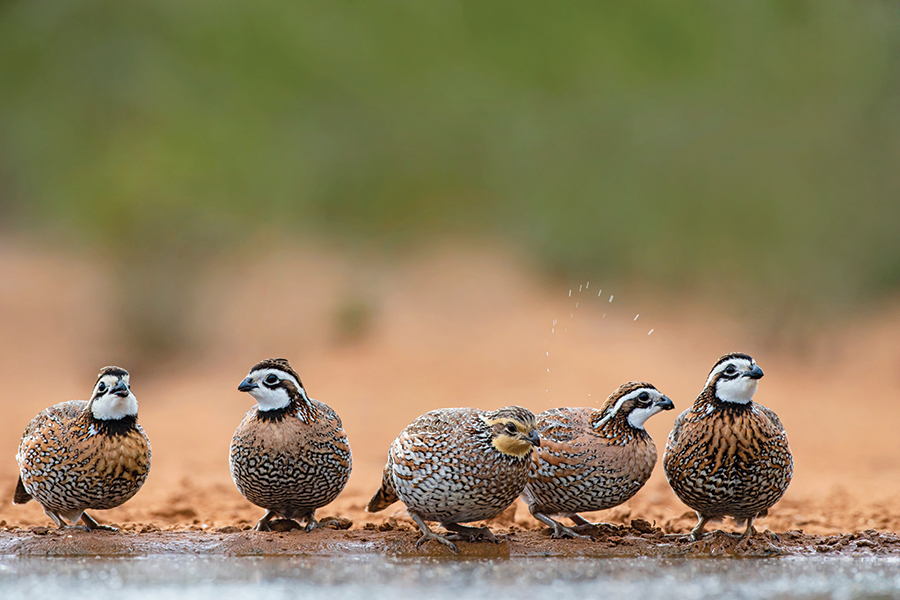
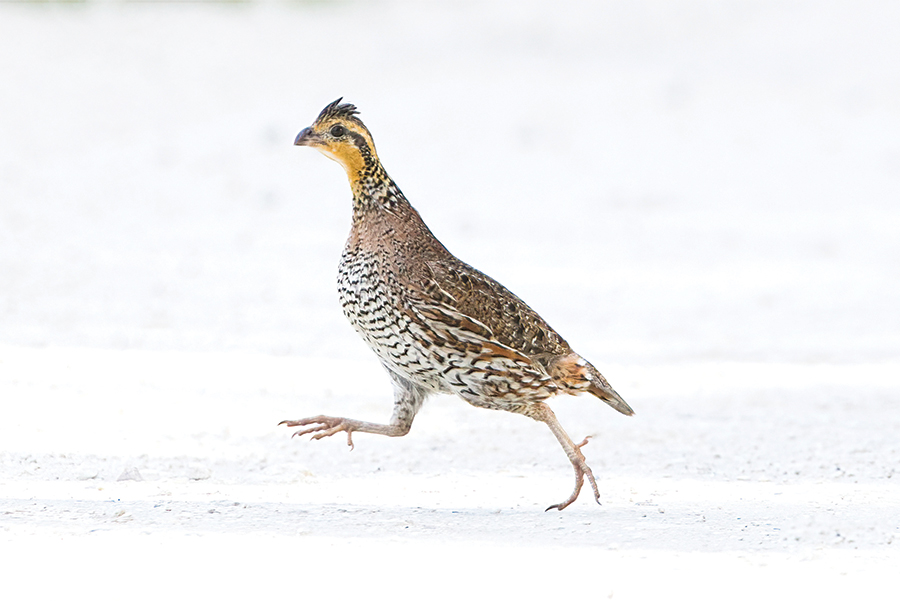
Once abundant throughout the Southeast, the Northern bobwhite — a chunky, fist-sized quail that is more often heard than seen — tend to hang out at the edges of brushy meadows, overgrown fields and spaces next to pastures and young grasslands.

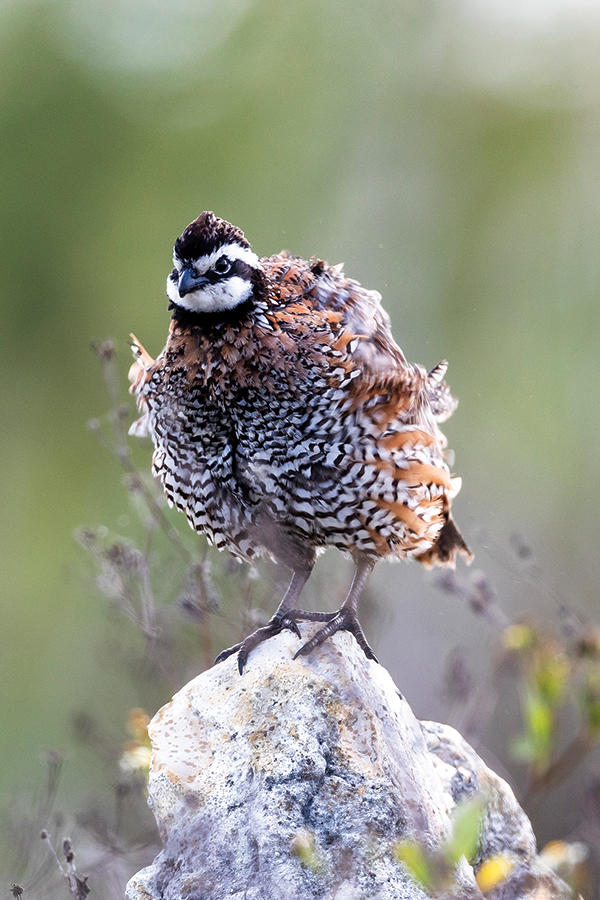
“They used to be found just about everywhere because they did really well in mixed agricultural settings,” says Cohen. “Back in the days when everyone had 40 acres and a mule and you did a little bit of farming for your family and had a little cattle pasture — those types of environments are where they really thrive.”
As farming techniques shifted and trees replaced the original prairies that had been kept in check by controlled burns and grazing bison, the habitat shrank. The North American Breeding Bird Survey reports that bobwhite populations plunged between 1966 and 2014, resulting in a loss of about 85%.
The shift to straight agriculture and dense forests, says Cohen, “is really the enemy of what Northern bobwhites need. They need something that looks messy, and that’s not how we as people want the world to look. … We lost a lot of the brushy stuff between fields. Now a bobwhite has nowhere to hide.”
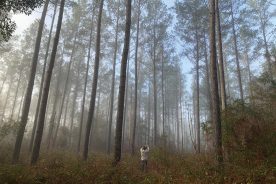
The birds don’t routinely inhabit the higher elevations of the Appalachian chain anyway, Cohen notes, because they don’t like forested ecosystems. In addition, the soil is less fertile there, which translates to less farming and fewer fields.
Various efforts by state and federal wildlife agencies, private landowners and universities are underway to restore their natural territory. According to Cohen, the University of Georgia was the first to create an artificial intelligence identifier to track “covey calls” (the sounds the social birds make in the fall) and pinpoint the location and number of bobwhites. In conjunction with the Tennessee Wildlife Resources Agency, Tennessee Tech researchers like Cohen and his colleague Doug Talbert, a computer science professor, began using the machine learning tool about two years ago.
Unlike the old time-consuming way of monitoring, where humans hunker down in the field for hours at a time, the AI program reliably records all outdoor sounds, counts those it identifies as covey calls and calculates population estimates.
“It can handle the wind, the rain, the sleet, the snow,” Cohen adds. “It sits out there and does its job. It’s very robust and allows us to sample everything.”
Wildlife experts like Cohen hope to use the data to expand habitat and, in turn, the bobwhites. Because AI also picks up the sounds of migratory songbirds that rely on the same ecosystems, it may lead to better management of endangered or threatened species.
“It’s an emerging tool, and the potential is just starting to be realized,” Cohen says. “We’re getting better and better on the AI side and it’s starting to be picked up more and more.”
Restoration efforts have so far been promising. The hope, says Cohen, is that “we can eventually restore the Northern bobwhite, maybe not back to where it was 40 or 50 years ago, but so that they’re not missing from a lot of places.”
The story above first appeared in our September / October 2025 issue.