Skip to content

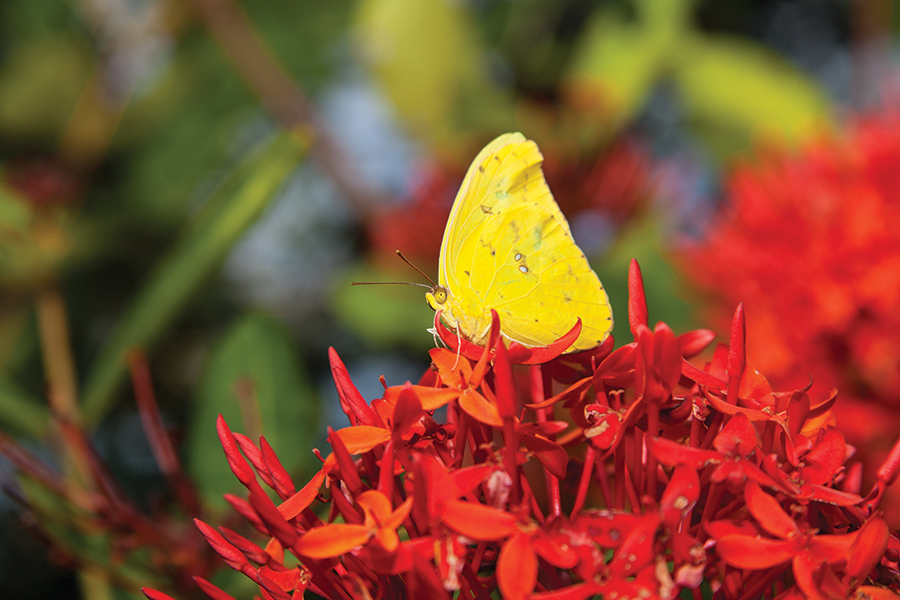
Though not as well-known as monarchs, cloudless sulphurs migrate in the fall too.
Photos Courtesy of Courtesy of Tennessee Aquarium | Doug Strickland
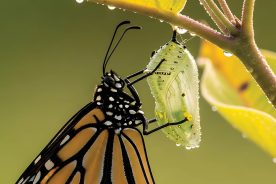
Right about now, as the days begin to shorten and cool, cloudless sulphur butterflies are winging it over meadows and woodlands on their way to the gulf coast for the winter. Despite their low altitude, they’re often ignored by nature lovers who are on the lookout for monarchs, which migrate to Mexico at the same time and can coast on air currents as high as 1,200 feet.


“Cloudless sulphurs tend to migrate nine to 10 feet off the ground,” says Rose Segbers, entomologist and butterfly keeper at the Tennessee Aquarium in Chattanooga. “You’ll even see them crossing the road and that sort of thing. … They’re definitely some of the largest yellow butterflies you’ll see around here.”
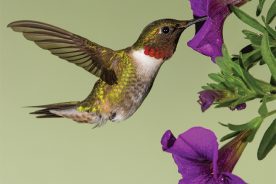
Butter-colored (and occasionally white), with a wingspan of two to three inches, cloudless sulphurs appear in Blue Ridge gardens in the spring, typically resting on flowers that match their own neon hue. “What sulphurs really like are the same type of things you would plant in your yard for hummingbirds, because they have a really long proboscis, a drinking straw mouth,” Segbers says. “So they tend to gravitate toward things like crossvine or trumpet vine or even phlox. They do like some non-native plants, like morning glories or hibiscus. If you are trying to attract hummingbirds to your yard, you might get a lot of sulphurs as well,” especially if you plant red-blooming flowers, their favorites.
“A horrible fact, to some entomologists,” Segbers notes, “is that they also tend to dive-bomb into people’s car lights because they see that red, and that’s very appealing to them.”
In the Aquarium’s Butterfly Garden, Segbers and other experts care for 20 to 30 cloudless sulphurs at any given time. They’re not as long-lived as their fluttering, tropical neighbors, which limits their numbers in the exhibit hall and actually makes them harder to see, she says. The staff horticulturist makes a point to plant species like porterweed, a member of the verbena family whose tubular flower shape is extremely attractive to cloudless sulphurs.
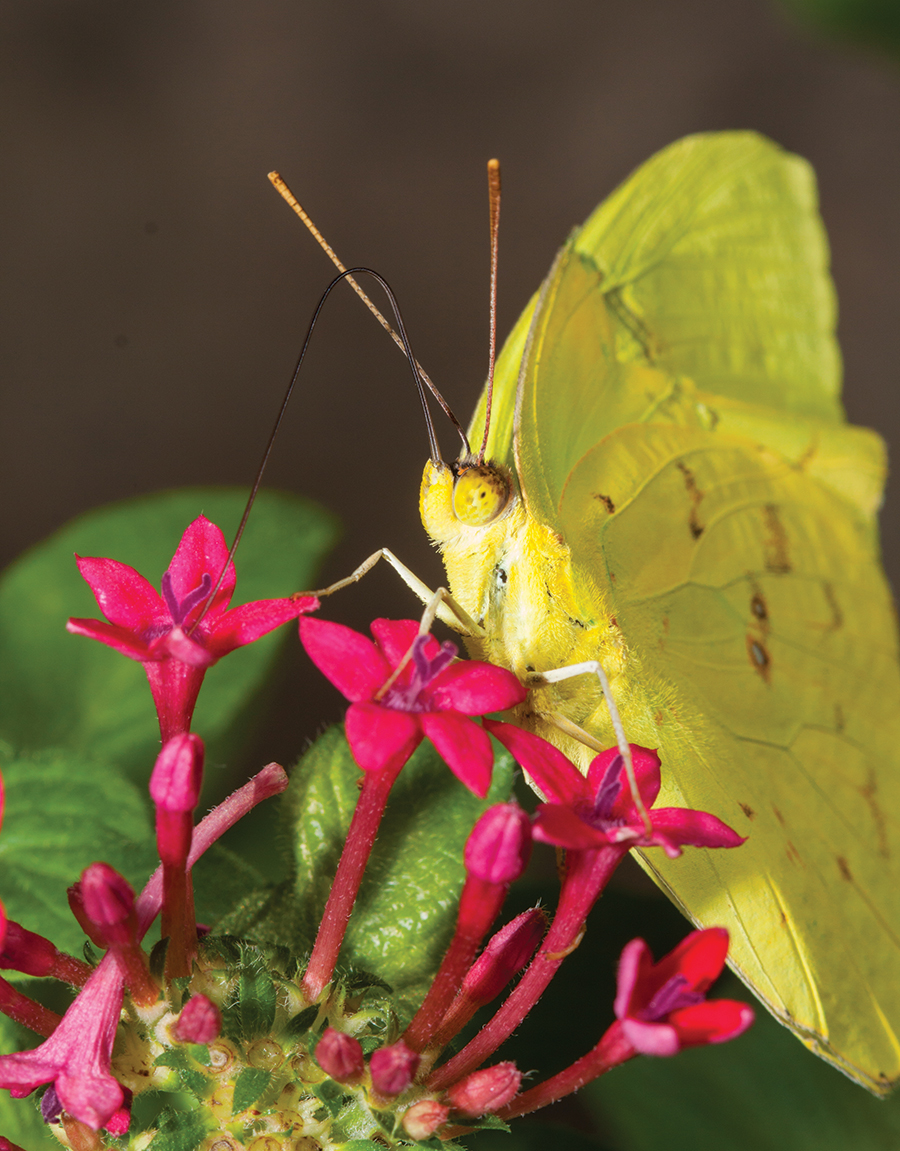
Although they travel in large groups during the fall migration period, they’re not as densely congregated as monarchs, which can cluster by the tens of thousands to stay warm. Cloudless sulphurs generally don’t travel as far either.
They’re also not experiencing widespread habitat loss compared to monarchs and some other butterflies, although, says Segbers, “Every pollinator across the board and every insect is losing population and habitat.”
A major culprit is pesticide use. “A lot of these butterflies would normally forage in grasslands,” Segbers says. “And oftentimes, the plants that they want to use to lay their eggs on and get nectar from as adults are things that are considered weeds by farmers. Farmers will do everything they can to stop things like butterfly weed from growing in their fields. They’ll spray Roundup, for example, which kills everything but the crops.” On the bright side, some farmers have begun designating non-spray areas, which helps protect sulphurs and their butterfly kin.
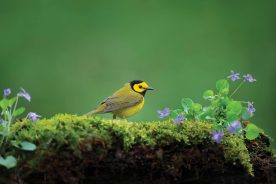
Like other pollinators, cloudless sulphurs play an important role in the health of the Appalachian ecosystem. “I know it’s kind of dark to say this,” Segbers admits, “but insects are a huge food source for predators and songbirds, and they really do make up the backbone, the ground level, of our ecosystem in more ways than one.”
The story above first appeared in our September / October 2024 issue.