Wild Edibles

CURRENT Wild Edibles

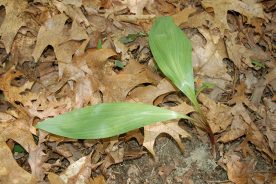
These ramps came from a Monroe County, West Virginia mountain. I won’t be more specific.

May’s Wild Edible: Ramps

My favorite ramp patch lies above 3,000 feet at the top of a Monroe County, West Virginia mountain.
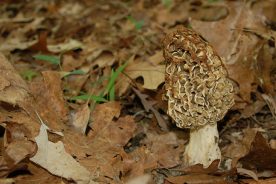
The yellow morel is probably the most popular mushroom in the Blue Ridge Mountains.

April’s Wild Edible: Yellow Morels

Among those of us who gather the Blue Ridge’s wild edibles, there’s one question that we dare not ask because it has no chance of eliciting an honest answer; "Where did you find those yellow morels?”
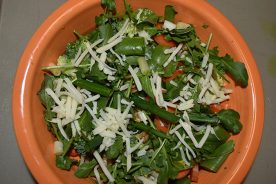
Dandelions make a good – and healthy – base for spring salads.

March’s Wild Edible: Dandelions

Gardeners often swear at them, and green lawn lovers typically nuke them with poisonous sprays. But dandelions are also important wildlife food, a boon for early spring pollinators - and a superb health food!
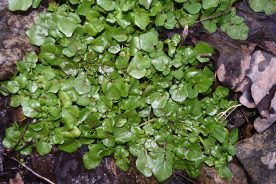
Watercress growing wild in one of the author’s springs.

February’s Wild Edible: Watercress

Many residents of our region might be surprised to learn that watercress is not only a wild vegetable but is also officially classified as a superfood.
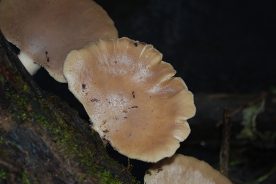
The wavy margins of oyster mushrooms help in identifying them.

January’s Wild Edible: Oyster Mushrooms

Perhaps some folks would think that the last place someone would seek out oysters would be the Blue Ridge Mountain region. But if your quest involves oyster mushrooms (Pleurotus ostreatus), then you’ve definitely come to the right place.

Departments

Much of the Oklawaha Greenway is lined with trees.
The Good Walk

Walking Oklawaha Greenway

Located just minutes from downtown Hendersonville, North Carolina, this 3.25-mile scenic pathway winds through forests and wetlands.

CALENDAR OF EVENTS