Skip to content

I will never forget the first time I ate Yellow Transparent applesauce. The time was early August of 2004 and was on assignment from Blue Ridge Country magazine to do a story on the James and Potomac rivers’ origin on Jacob and Carol Hevener’s farm in Highland County, Virginia. While Elaine and I chatted with the Heveners on the porch, I noticed a Yellow Transparent tree growing nearby.
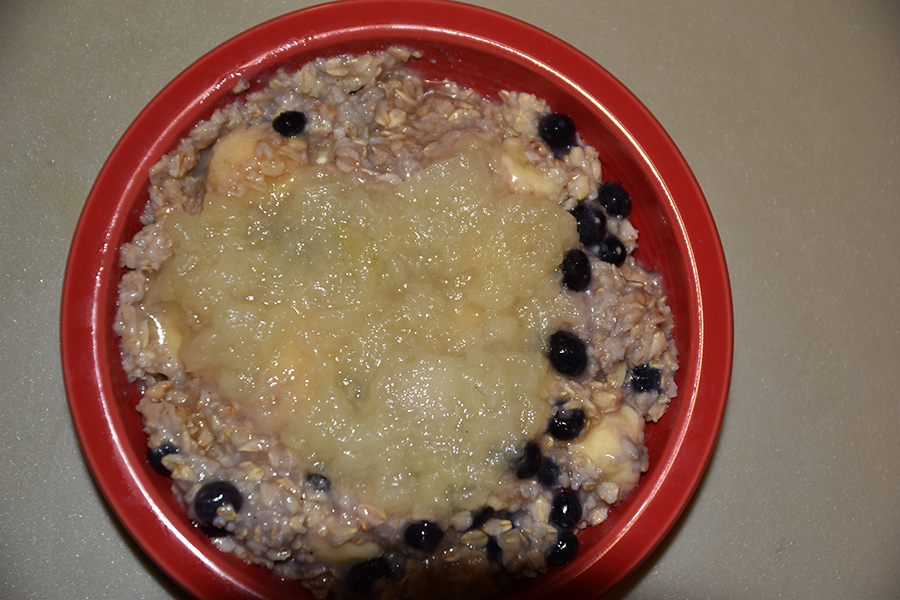
Knowing that this variety, which arrived from Russia in the 1870s, is legendary for its applesauce, I begged the Heveners if I could pick some to take home, which they graciously allowed. And, yes, the applesauce that Elaine made remains the best that we’ve ever eaten.

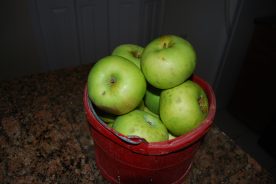
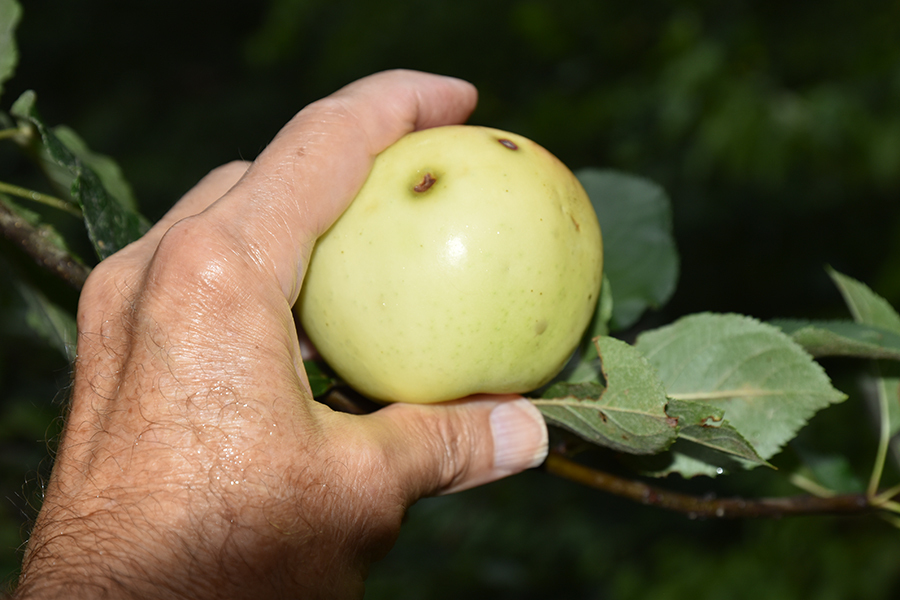
The Yellow Transparent tree bears earlier than most other Blue Ridge Mountain heritage trees with the fruit becoming ripe as early as July depending on elevation. Trees often produce bountifully, so the fruit is often medium or even small in size. The skin is very smooth and often seems transparent with the color ranging from white to pale yellow. The flesh is also white and quite juicy, which helps explain the applesauce’s appeal.
Charlotte Shelton, whose family operates Vintage Virginia Apples (albemarleciderworks.com) is a fan of the Yellow Transparent.
“It’s a classic, summer apple, notably for its culinary sauce,” she said. “The Yellow Transparent is a delicate, tender apple that doesn’t keep well, so it’s best used as it ripens. I would also describe it as one of the most successful apples that came from Russia.”
Ron Joyner, along with his wife Suzanne, sells vintage apple trees from their North Carolina mountain spread, Big Horse Creek Farm. Ron believes the Yellow Transparent is one of the more common summer apples in our region.
“A Yellow Transparent is typically pale greenish-yellow when properly ripened but will become soft and mushy and turn a richer, deeper yellow color when overripe,” he said.
Like Shelton, Joyner recommends using this pome as soon as it’s gathered. And as noted earlier, the most sublime way to use this variety is in applesauce. Ron and Suzanne Joiner shared this recipe, which typically employs the Yellow Transparent and other summer apples.
Joyner’s Applesauce Recipe
- Fill large kettle with cut up chunks of apples, only removing stems. Use more than one apple variety to make the best applesauce, the more the better. This way no sugar will ever have to be added to the sauce.
- Add a little apple juice or apple cider to the bottom of the pan and simmer the apples over medium heat until tender. Stir often.
- Press the apples through a sieve or food mill; we use a “Squeezo” machine which separates the seeds and skins and produces a nice sauce.
- Heat the sauce to a boil and place in sterilized jars, leaving ½ inch head space. Remove any air bubbles by running a knife along the inside of the jars. Cap the jars.
- Process pints and quarts 20 minutes in a boiling water bath.
Bruce and Elaine Ingram co-wrote Living the Locavore Lifestyle, a book about living in a sustainable fashion off the land through hunting, fishing and gathering for food. For more information, contact them at bruceingramoutdoors@gmail.com.