Skip to content


Urban greenways have proliferated over recent decades in the Southern Appalachians. Here’s an up-close visit with some of the wildlife along the Kingsport Greenbelt.
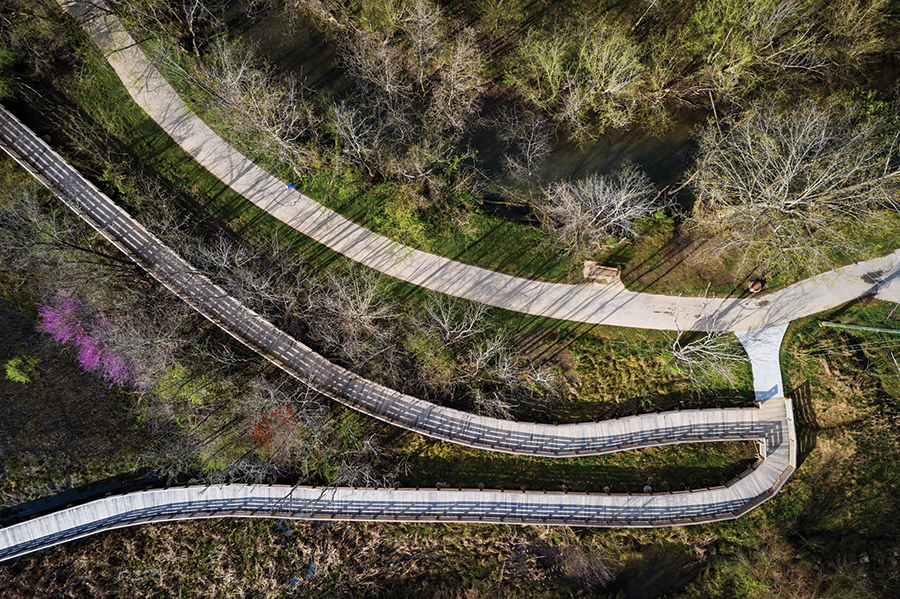
Photo Above: Drone view shows the Wetland Boardwalk at the Greenbelt’s Indian Trail Drive Trailhead.
Photos Courtesy of Jay Huron.
The concept of the urban greenway is generally a fairly recent development.

In our part of the country, consider the likes of these, most of which have come to full fruition during this century: Roanoke River Greenway in Virginia, the Reedy River Falls Park in Greenville, South Carolina, North Carolina’s Thermal Belt Trail, Charlottesville, Virginia’s Rivanna River loop, The Tweetsie Trail in Johnson City, Tennessee and many more.
And here in my neck of the woods we have the Kingsport Greenbelt.
These greenways have numerous benefits for the areas they run through. They create outdoor spaces that encourage physical fitness and healthy lifestyles for residents. They create new opportunities for outdoor recreation and many times a route through the area for non-motorized transportation. They help preserve wetlands, forests, creeks and other wild areas along the trails, areas that might otherwise have been developed for real estate, commercial property or left unused. They have also been proven to be economic boons for their local economies by drawing visitors and new residents to the area.
Being a photographer, I like the flora and fauna that these spaces provide habitat for, as well as the scenic views!
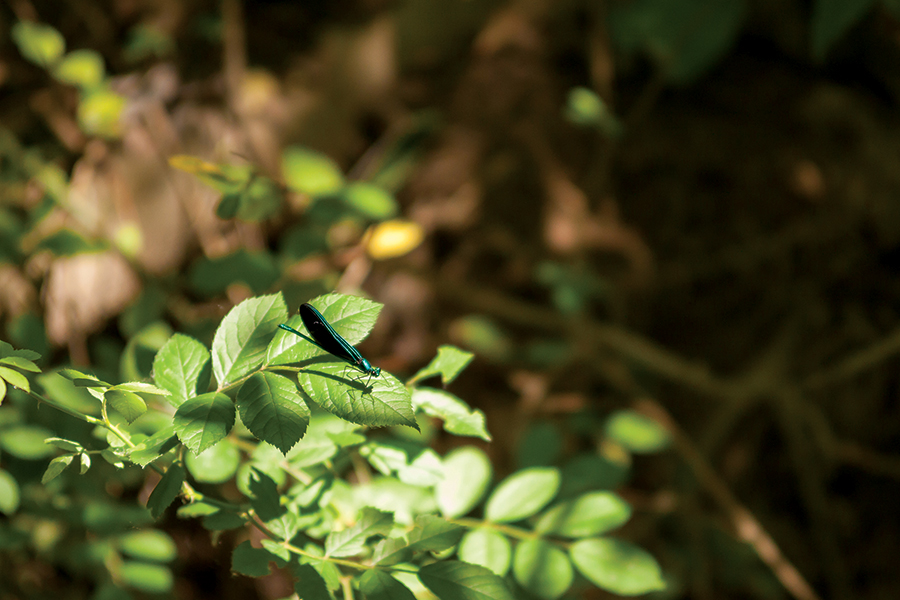
Our Kingsport Greenbelt stretches about 10 miles as it winds its way through the city. It mostly follows Reedy Creek which empties into the Holston River. The Greenbelt then follows the river for the rest of the trail’s length. Within those 10 miles, there are many species of plants, animals and insects to enjoy, look at and watch.
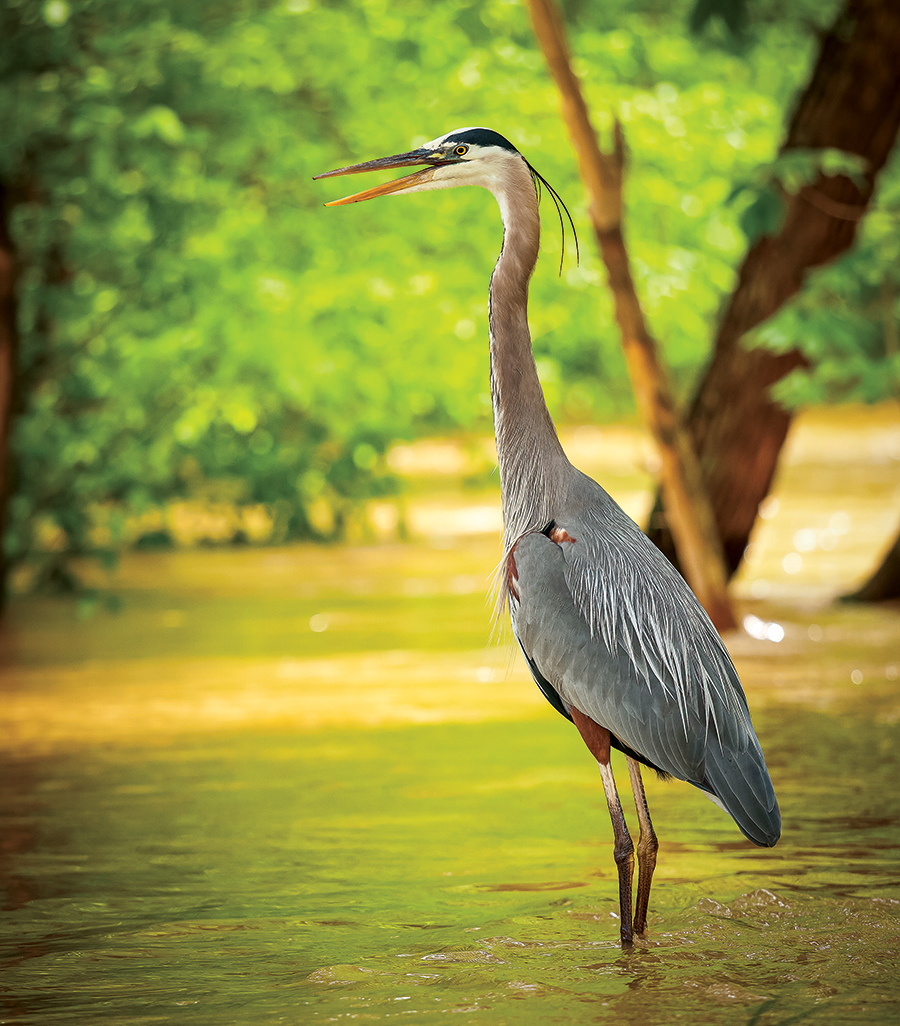
In one particular area, there is a rookery (a bird or animal breeding area) in the middle of the Holston River that is locally referred to as Vulture Island, and while there are a lot of vultures that hang around, the more prevalent bird is the double-crested cormorant, along with a few great blue herons that didn’t get the memo on this being a cormorant nesting area, and a few ducks and Canadian Geese.
In the springtime, it’s a great place to watch the cormorants fly to and fro, gathering sticks and leaves to build their nests. If you get lucky you might see an osprey fly by!
There are many other species of birds to see all along the Greenbelt that you might find if you have a keen eye and binoculars or a long lens. There are many types of songbirds, several species of hawks and herons and various types of waterfowl, some of which seem to have bred with domestic ducks that have been dropped off and have unique color patterns.
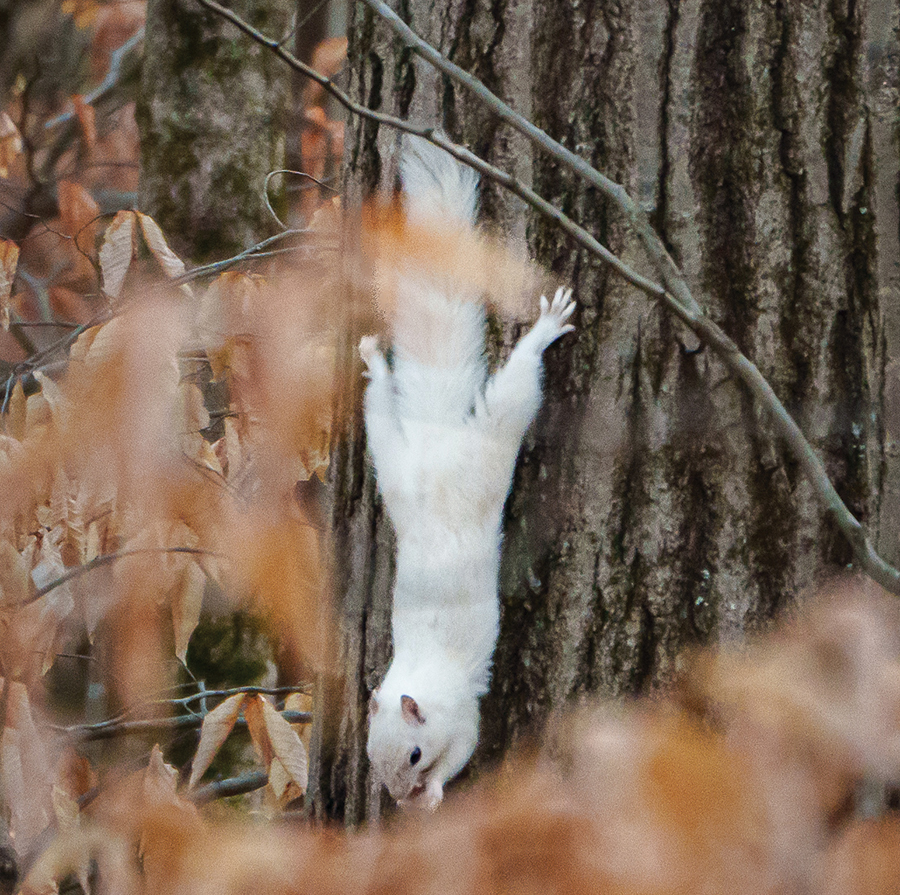
If you aren’t that interested in birds, you will almost always run into squirrels and whitetail deer at the right times of day. If you’re lucky, you may spot the leucistic white squirrel (white coat, dark eyes) that is becoming a local celebrity.
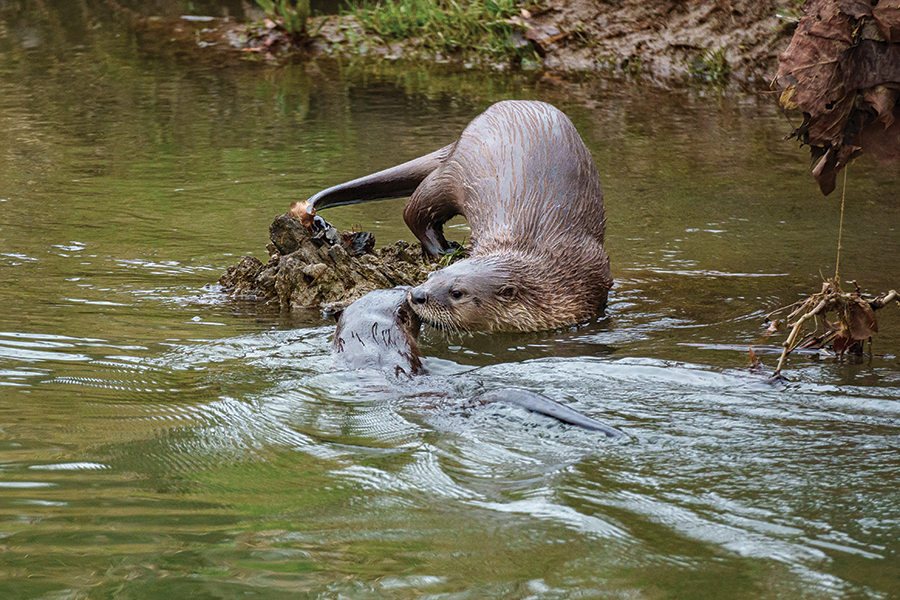
Or if you are double lucky, you may see the river otters that call Reedy Creek home. There seem to be several groups in various areas of the creek and just because you see them in one spot one day doesn’t mean they’ll be there the next day because they travel up and down stream looking for food such as fish, crayfish, frogs, birds’ eggs, birds and reptiles. They need to eat frequently due to a high metabolism and of course have to find a safe spot and take a rest now and then too.
The story above first appeared in our May / June 2024 issue.