Wild Edibles

CURRENT Wild Edibles

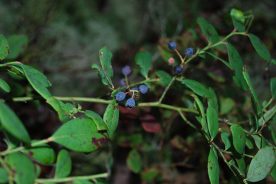
Wild blueberries growing in Botetourt County, Virginia.

August’s Wild Edible: Wild Blueberries

Wild blueberries are much smaller and not as sweet as store-bought ones, but they are, nevertheless, a real treat for those of who delight in searching for wild edibles.
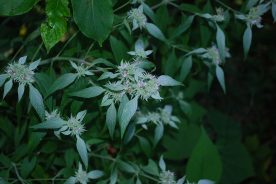
Mountain Mint growing on the author’s Virginia land.

July’s Wild Edible: Mountain Mint

With its lance-like leaves that have a touch of white and its dainty white blooms that have a touch of pinkish purple, the three-to-five foot herb mountain mint lights up the edge of Blue Ridge forests.
Wild black raspberries

June’s Wild Edible: Black Raspberries

Of the four Rubus species in these mountains, the raspberry is the first to ripen, sometimes as early as mid-June.
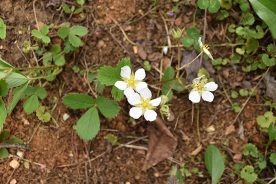
Wild strawberry plants in bloom.

May’s Wild Edible: Wild Strawberries

Fragaria virginiana is one of the first plants to bloom in these mountains, thus supplying a wide variety of bees, butterflies, and moths with an important source of pollen and nectar.
Dryland cress as part of this tomato and vegetable soup entrée.

April’s Wild Edible: Dryland Cress

Land cress looks much like watercress with its small square leaves and also has a similar peppery or mustard-like taste.

Departments

Coyote (Canis latrans) wandering out from the forest into the loop road on a summer late morning.
Country Roads

Critters Crossing! 

States across the Blue Ridge are investing in wildlife crossings to protect animals and improve roadway safety.

Eugenia Williams House. Photo courtesy of Bruce Cole
Country Roads

A Mystery on the River

The once-private estate of enigmatic heiress Eugenia Williams is now open to visitors.

CALENDAR OF EVENTS