May’s Wild Edible: Wild Strawberries

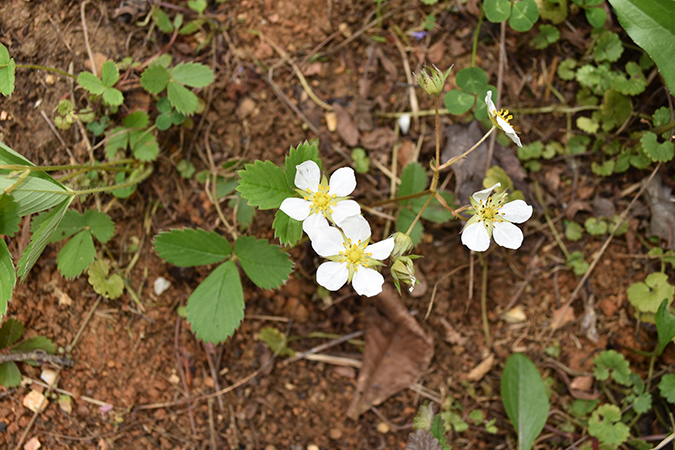
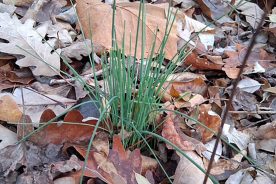
Wild strawberry plants in bloom.

I’ve never gathered enough wild strawberries to make a pie, jam, or shortcake. Indeed, the best haul I’ve ever had resulted in barely enough berries to slightly adorn a bowl of cereal. That said, wild strawberry plants are an important part of the Blue Ridge’s ecosystem and an important flora for us to search for this month.

Fragaria virginiana is one of the first plants to bloom in these mountains, thus supplying a wide variety of bees, butterflies, and moths with an important source of pollen and nectar. This wild fruit is also an important spring food for box and wood turtles, which, obviously, aren’t adept at feeding on fruits well off the ground. Bears, opossums, and raccoons are among the mammals that seek out strawberries, which also attract a wide variety of songbirds and game birds such as ruffed grouse and the wild turkey.

Years ago, my wife Elaine and I created a pollinator plot in our front yard. We transplanted wild strawberry plants growing near our mailbox (and susceptible to spraying from the highway department) to the plot. We also ordered some plants from Prairie Moon Nurseries. Consider growing some of these native plants in your yard this year.


Bruce and Elaine Ingram will profile a different wild edible every month. For more information on their book Living the Locavore Lifestyle, contact them at bruceingramoutdoors@gmail.com

You Might Also Like:

The Giovanni is an Italian-American creation born in West Virginia.

Discovering the West Virginia Giovanni

This flavorful sandwich is a product of the rich Italian heritage of the Mountain State.
e1b70596-05c8-11f1-92e0-1248ae80e59d-3-2026rueanemone--credit-Joe-Cook

March’s Mountain Wildflower: Rue Anemone

A member of the buttercup family and found in the open woodlands, rue anemone (Thalictrum thalictroides) has long, thin stems that tremble in the slightest of winds—prompting its other common name, windflower.
Pokeweed growing in Floyd County, Virginia.

January’s Wild Edible: Pokeweed

Pokeweed is one of the wild plants that is most associated with the Blue Ridge Region.
The pawpaw version of Ale-8-One debuted in the summer of 2025, in a limited edition.

Ale-8-One: Welcome to ‘Tropical’ Kentucky

This 124-year-old soft drink company continues to innovate and thrive.
Arkansas Black apples sport an attractive reddish black color.

December’s Blue Ridge Mountain Apple Profile: Arkansas Black

Originating in the 1870s in, obviously, The Natural State, this variety is reputed to be a part of the Winesap family, which includes such esteemed members as the Black Twig, Stayman, and, of course, the Old Fashioned Winesap.
A purple-spored puffball growing in a field in Botetourt County, VA.

December’s Wild Edible: Purple-Spored Puffball

The purple-spored typically grows in this region’s fields, often appearing from October through December and into early January.
The Fork and Plough name reflects the professions of the owners — chef and farmer.

Fork and Plough: Neighborly and Nimble

At this Greenville, South Carolina, eatery, the menu changes literally every day, based on what’s available locally.
d289022c-696f-11f0-a179-1248ae80e59d-CGZ_0845-011

Ride the Rails, Explore Rockbridge County: Make a Weekend of the 611 in Goshen!

This fall, one of America’s most iconic steam locomotives is making tracks and memories.
The compound, lancelike leaflets of the bitternut are a good identifier.

November’s Wild Edible: Bitternut Hickory

Frankly, this native species to the Blue Ridge mountains comes by its name honestly.
Mullein growing in Ingram's backyard.

October’s Wild Edible: Mullein

Earlier, this year, a lone mullein plant appeared along the fence that encloses my garden, which made me curious about this plant.

CALENDAR OF EVENTS