Skip to content

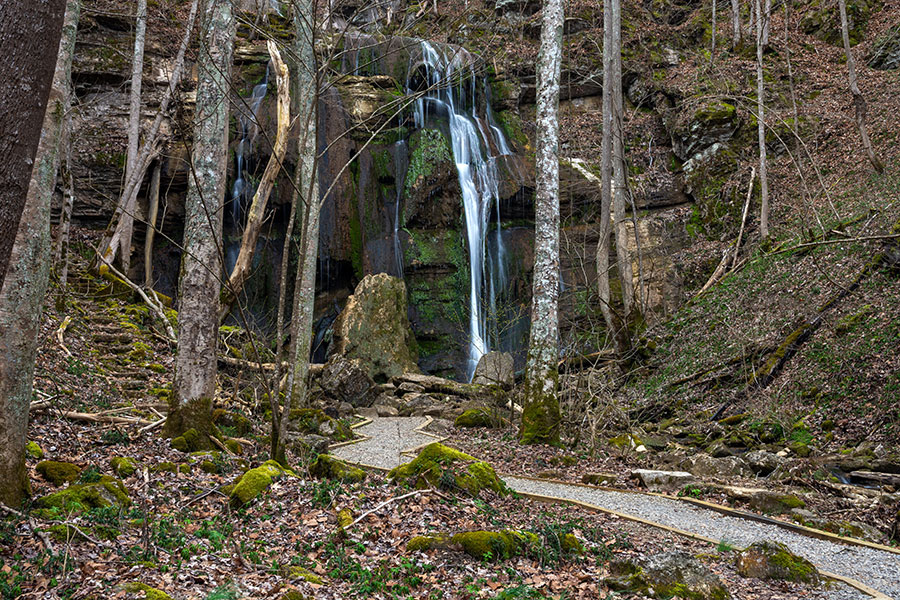
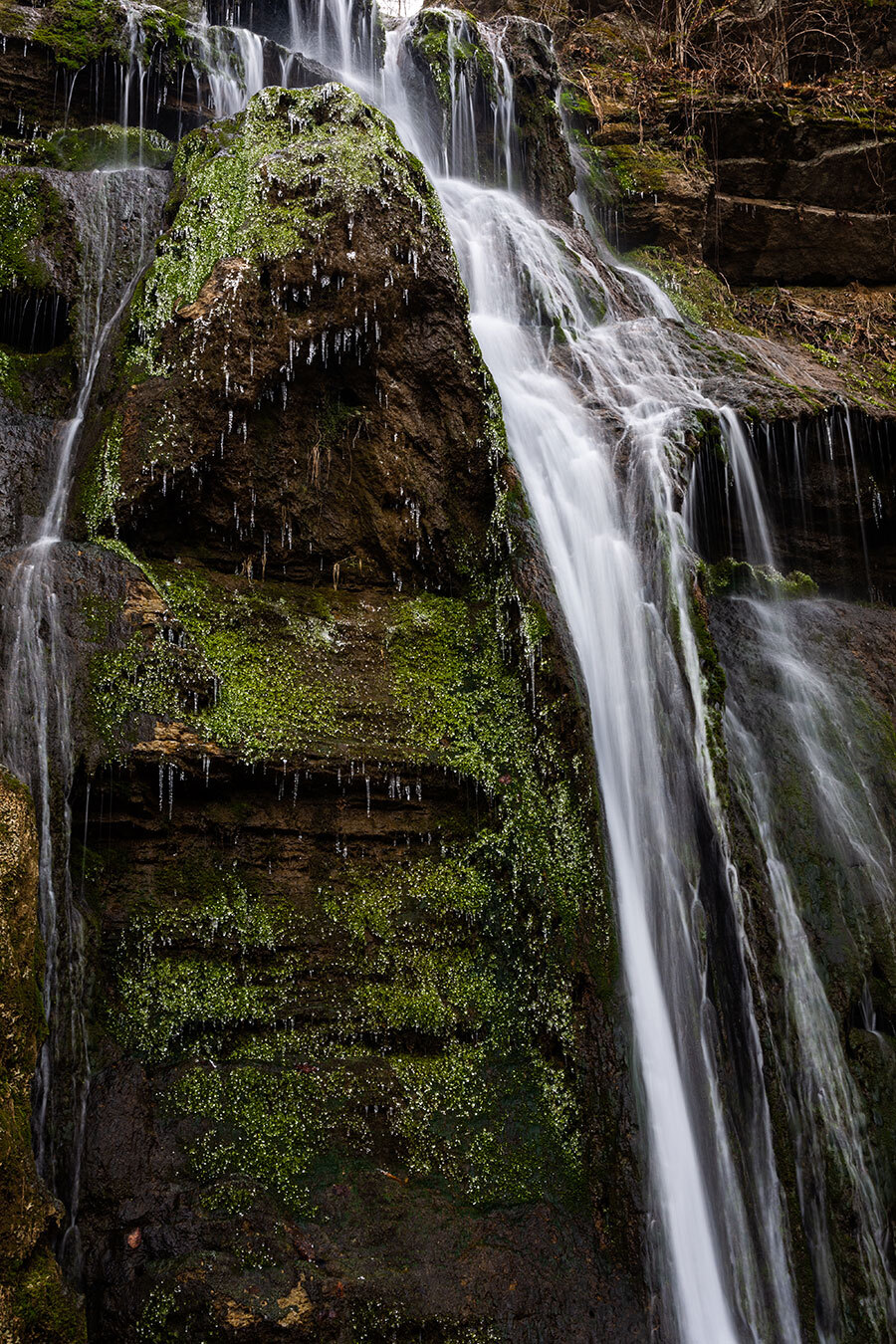
Nestled in the heart of Cleveland, Virginia, Tank Hollow Falls reveals its enchanting beauty as a 60-foot cascade, a hidden gem in the tranquil landscape of Southwest Virginia. Cleveland, Virginia, resides in Russell County and sits along the banks of the Clinch River, which houses one of the world’s largest grouping of endangered freshwater species.
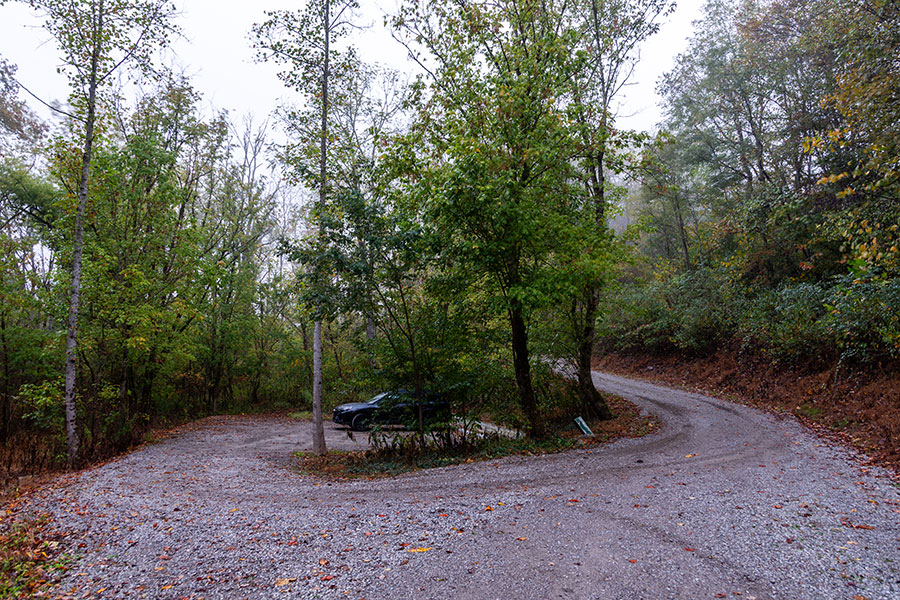
Finding your way to this picturesque waterfall feels like embarking on a hidden treasure hunt. Follow the scenic route down Hall Street until you reach Tank Hollow Road, leading to a small parking lot that accommodates 4-6 cars. As you come up Hall Street, you will see a white church. Stay left, and you will see the small road leading down to the parking area.

Tank Hollow Falls is a short, .2-mile hike, and you can see the falls from the parking area during the winter and fall seasons. Handicap parking is also available, along with the trail being handicap accessible. A small picnic area is also available for those wanting to relax by the falls and enjoy a quiet meal.
This beautiful waterfall also features a few walking trails, the largest being the Big Barren Loop Trail, a .25-mile loop trail rated moderate difficulty. The falls also reside in the Cleveland Barrens Natural Area Preserve, 438 acres acquired by the Nature Conservancy to protect a rare plant community and to house an endangered freshwater mussel habitat.
This Southwest Virginia gem is well worth a visit and would make a great day trip to bring the family out. If you really want to see this waterfall flowing, plan your visit a day or so after it has rained. If the falls go without rain for an extended period, it can look like a hairline stream flowing down the rocks.
One of my favorite features of this waterfall is the moss covering the rocks. Depending on the water flow, the falls can have stunning streams that are part between the rocks, offering great photography opportunities, especially during the summer and fall months.
Tank Hollow Falls, with its blend of natural beauty and accessibility, invites you to explore, unwind and make cherished memories with your loved ones. Don’t miss the chance to experience this hidden treasure in Southwest Virginia.
Photography Tip: Bring a tripod, shutter release, and a CPL filter to reduce the glare to take home a beautiful, rich toned image.
ABOUT THIS SERIES:
“Blue Ridge Waterfall Wednesdays” highlights a different waterfall each month from the Blue Ridge region. For the past two decades, Josh Moore has been exploring and capturing the beauty of this fantastic region he calls home. Josh is a professional photographer who has been published internationally, nationally and everything else in-between, and is widely known for his landscape/nature photography. See more of Josh’s work on his website, YouTube channel or on Instagram and Facebook.