Skip to content


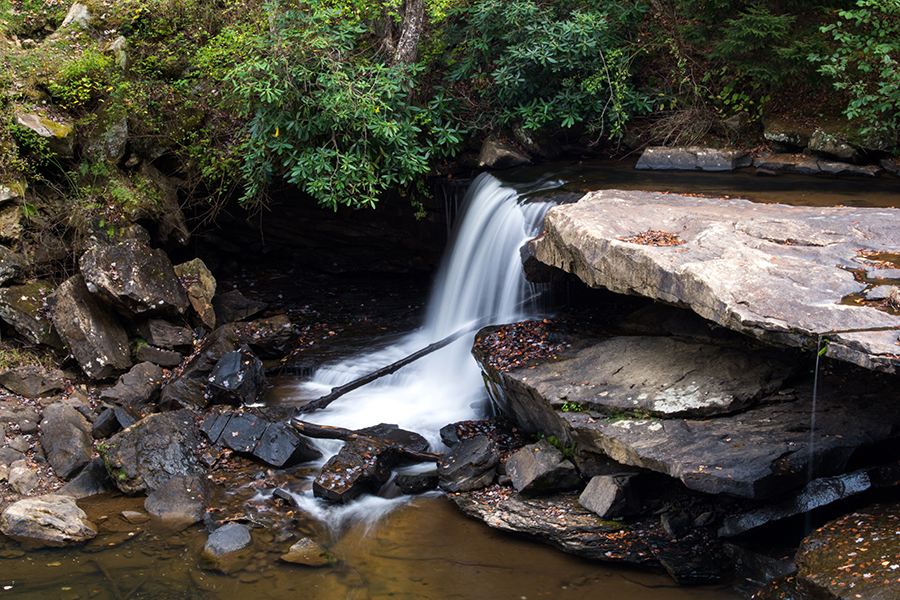
Located 20 miles south of the New River Gorge bridge resides one of the most iconic locations in West Virginia, if not the east coast of the United States: Glade Creek Grist Mill and the Glade Creek Falls at Babcock State Park.
Article & Photos Courtesy of Joshua Moore

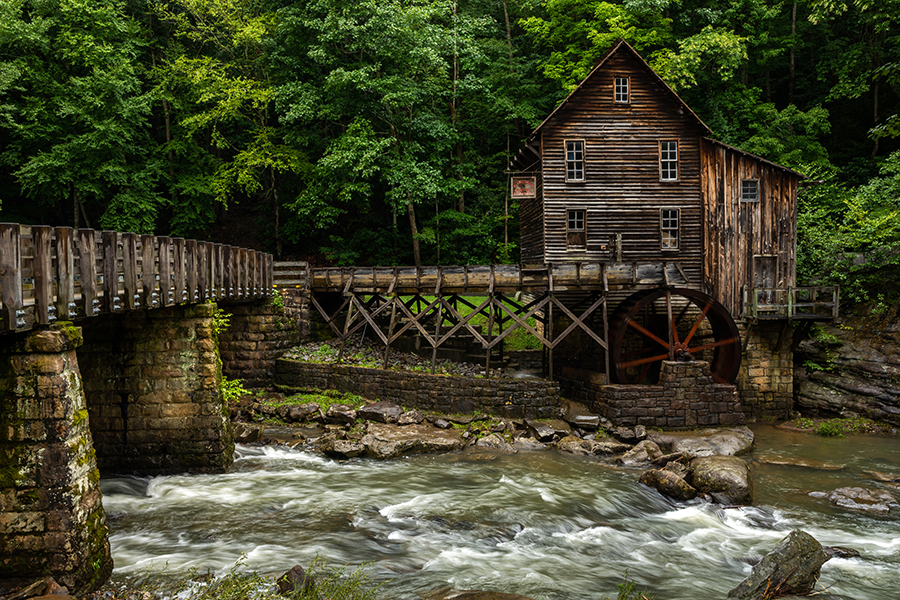
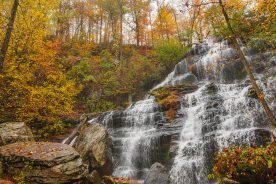
This fully functional mill is a replica of an older mill named Cooper’s Mill, which use to stand there. This beautiful mill sits along Glade Creek, which has a lovely waterfall aptly named Glade Creek Grist Mill Falls. The mill and waterfall are nearly always photographed together, as it sits along one of the most naturally beautiful spots in West Virginia. Let’s face it: West Virginia is just one of the most naturally beautiful places in America; every time I visit West Virginia, I am left wanting more, and I usually already plan my next trip before I leave.
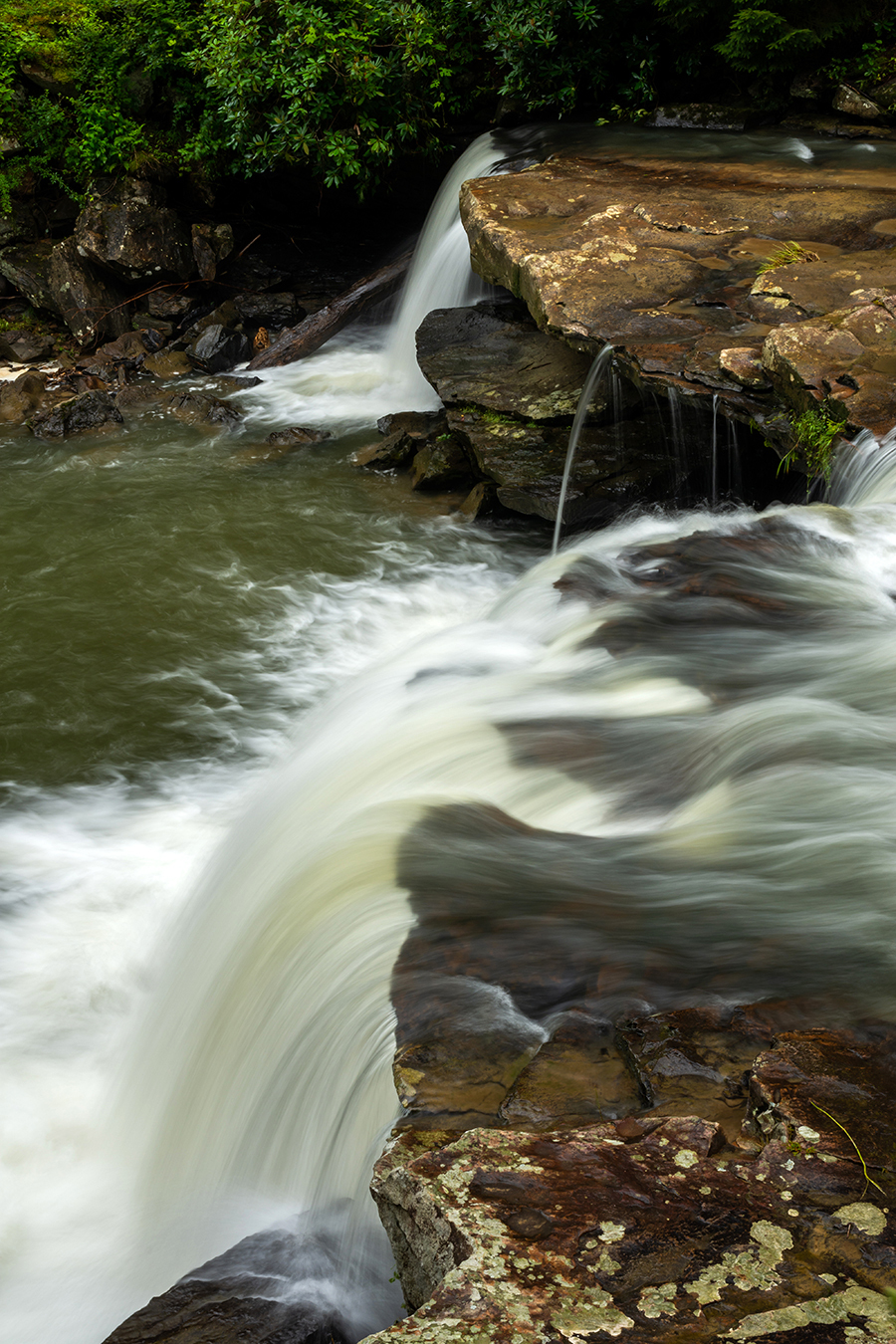
Visiting the falls is very easy, and I am happy to say it is handicap accessible. The Glade Creek Grist Mill area does close for the season on the last Sunday in October, so be sure to plan ahead and keep an eye out on Babcock State Park’s website for official opening and closing dates.
Once you arrive at the visitor center at Babcock State Park, follow the walking path across the bridge to the mill. Along the left side of the mill is a small road that leads down the creek. After about thirty yards, you will be greeted with that iconic scene of the falls and mill together.
If you are visiting in the autumn months, plan on it being crowded, so if you want a photo without a lot of people, then plan on arriving early. If you want to take pics with a drone, it is allowed between 1 p.m. and 3 p.m. daily. However, you need to check in at the visitor center first and follow their set rules.
There are other opportunities at the mill and falls, such as fishing and hiking, and if you are feeling adventurous, whitewater rafting is available in the New River Gorge. The visitor center has restrooms, a gift shop that features local crafters and artists, and merch that features the mill.
Photography Tip:
If you want to take a photo where the water is smooth and you are there mid-day, then be sure to bring a neutral density (ND) filter. An ND filter will help you with a long exposure during brighter times of the day, allowing you to capture the beauty of the water. Also, bring a tripod and shutter release when doing long exposures.
ABOUT THIS SERIES:
“Blue Ridge Waterfall Wednesdays” highlights a different waterfall each month from the Blue Ridge region. For the past two decades, Josh Moore has been exploring and capturing the beauty of this fantastic region he calls home. Josh is a professional photographer who has been published internationally, nationally and everything else in-between, and is widely known for his landscape/nature photography. See more of Josh’s work on his website, YouTube channel or on Instagram and Facebook.