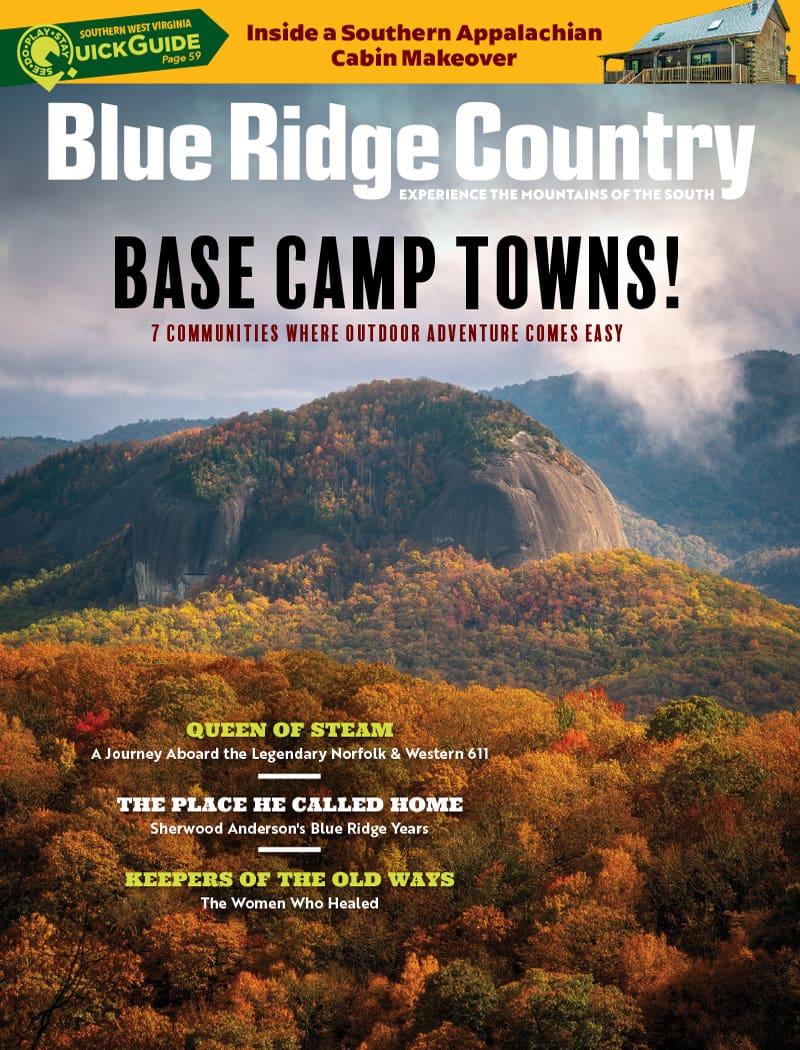
The timeless photos below were submitted by readers like you for consideration in the magazine. For more photo essays like this one, Log In to the Digital Edition or Download Our FREE iOS App today. Our thanks to all who submitted their images!


Fall Photos: Our Favorite Reader Submissions
The timeless photos below were submitted by readers like you for consideration in the magazine. For more photo essays like this one, Log In to the Digital Edition or Download Our FREE iOS App today. Our thanks to all who submitted their images!

- Categories: Behind Blue Ridge Country, Online Extras
You Might Also Like:
“Pass the fungus,” is not common dinnertime conversation in the Blue Ridge Mountains region, but that’s because folks perhaps have not heard of the white jelly snow fungus.
Fayette County, West Virginia’s Mitchell Dech is one of my foraging mentors, and when he wants me to try an edible new to me … I’m ready to learn about it.
Sometime this month in the Blue Ridge Mountains, one of these highlands’ signature spring plants will ease from the soil … the May apple (Podophyllum peltatum).
A member of the buttercup family and found in the open woodlands, rue anemone (Thalictrum thalictroides) has long, thin stems that tremble in the slightest of winds—prompting its other common name, windflower.
Pokeweed is one of the wild plants that is most associated with the Blue Ridge Region.
The purple-spored typically grows in this region’s fields, often appearing from October through December and into early January.
This fall, one of America’s most iconic steam locomotives is making tracks and memories.
Frankly, this native species to the Blue Ridge mountains comes by its name honestly.
Earlier, this year, a lone mullein plant appeared along the fence that encloses my garden, which made me curious about this plant.
Skip to content