Skip to content

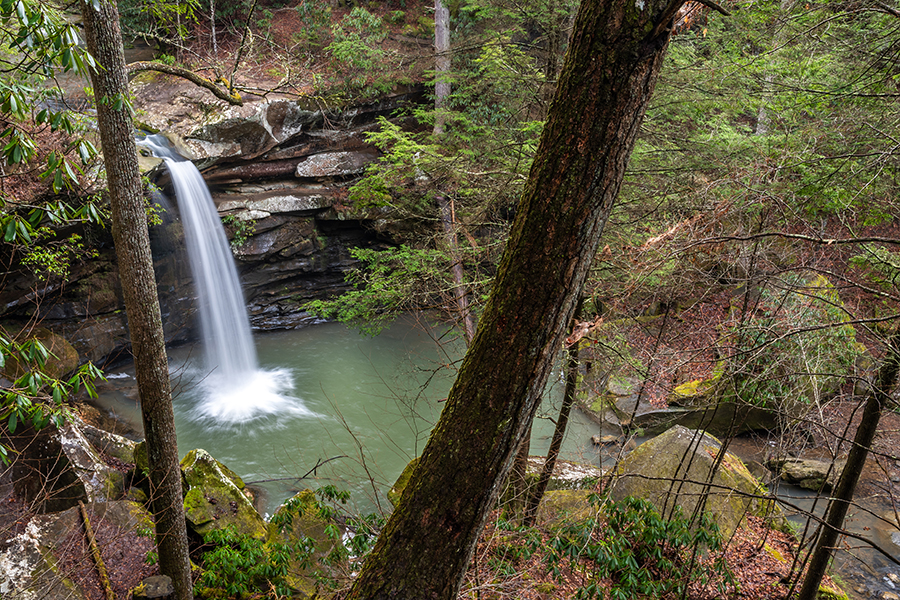
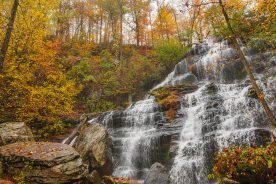
Flat Lick Falls is a hidden gem along the edge of the Blue Ridge region. Nestled into the foothills of the southern Jackson County region, near the town of McKee within Daniel Boone National Forest, is the beautiful 30-foot waterfall.
Article & Photos Courtesy of Joshua Moore

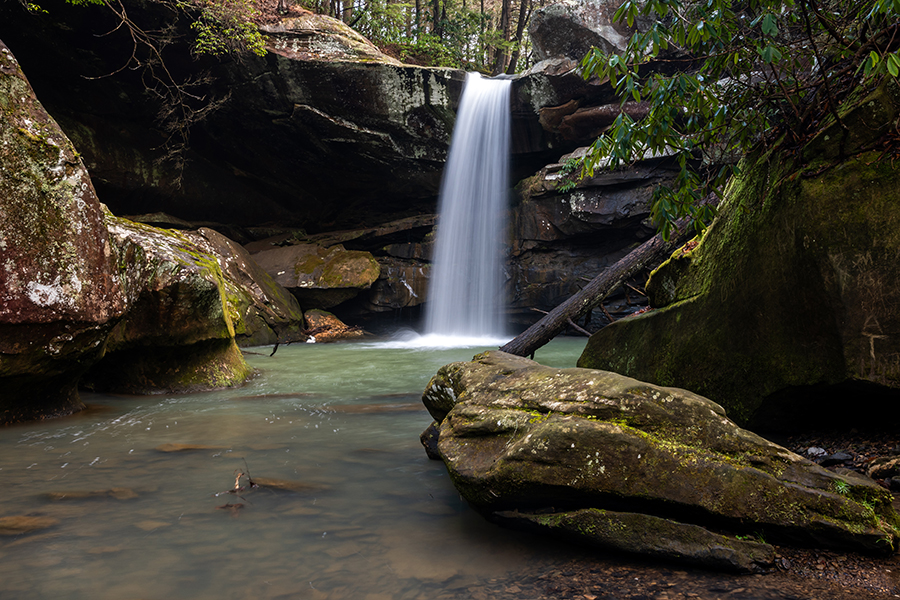
Flat Lick Falls is also part of the Flat Lick Falls Scenic and Recreation Area, which covers 86 acres and hosts camping, tenting, hiking, recreational facilities, picnic shelters and restrooms.
The hike to the top of the falls is straightforward and handicap accessible. Once you pull into the parking lot near the large covered picnic area and large shelter, you will see a paved walking trail. Follow that trail to the edge of the woods, which is roughly .25 miles from the parking area. Once you enter the woods, you will see a bench. At this bench is the overlook for the top view of Flat Lick Falls. This view is beautiful. However, the lower view of the falls is a bit better.
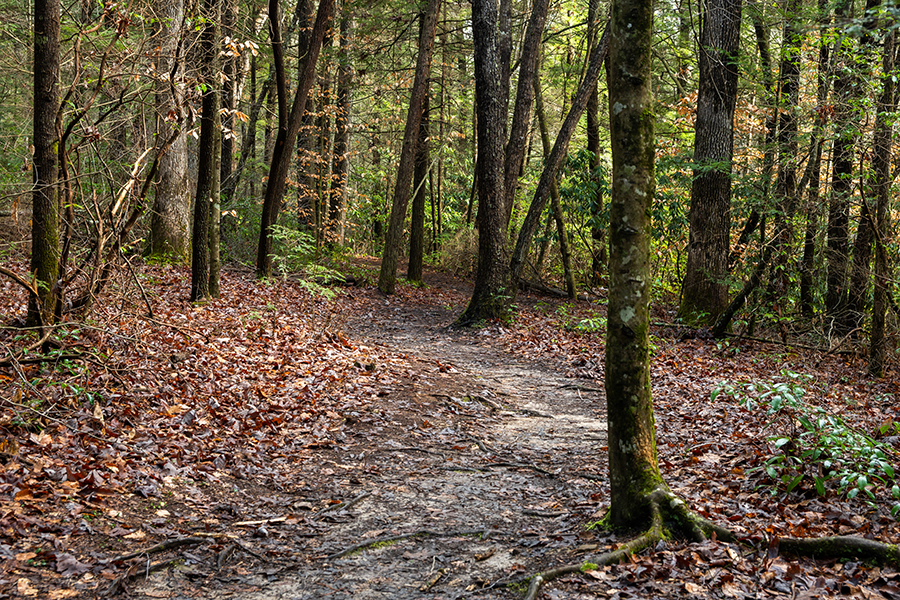
To the right of the bench is a trail that leads further down into the woods. It goes through a beautiful section of the woods with some unique rock features. From here, it is not handicap accessible. As you head down the trail, you will run into Flat Lick Creek. You will need to cross the stream here, so be sure to wear the appropriate shoes or expect to get wet. I chose the get-wet option.
As you cross the stream, you will follow the trail right to the falls. The lower view of the falls is also a popular swimming hole, so if you are visiting in the warmer months, be sure to come early. The best time to visit is right after it rains, as the waterfall tends to dry up to a trickle during the drier portions of the year.
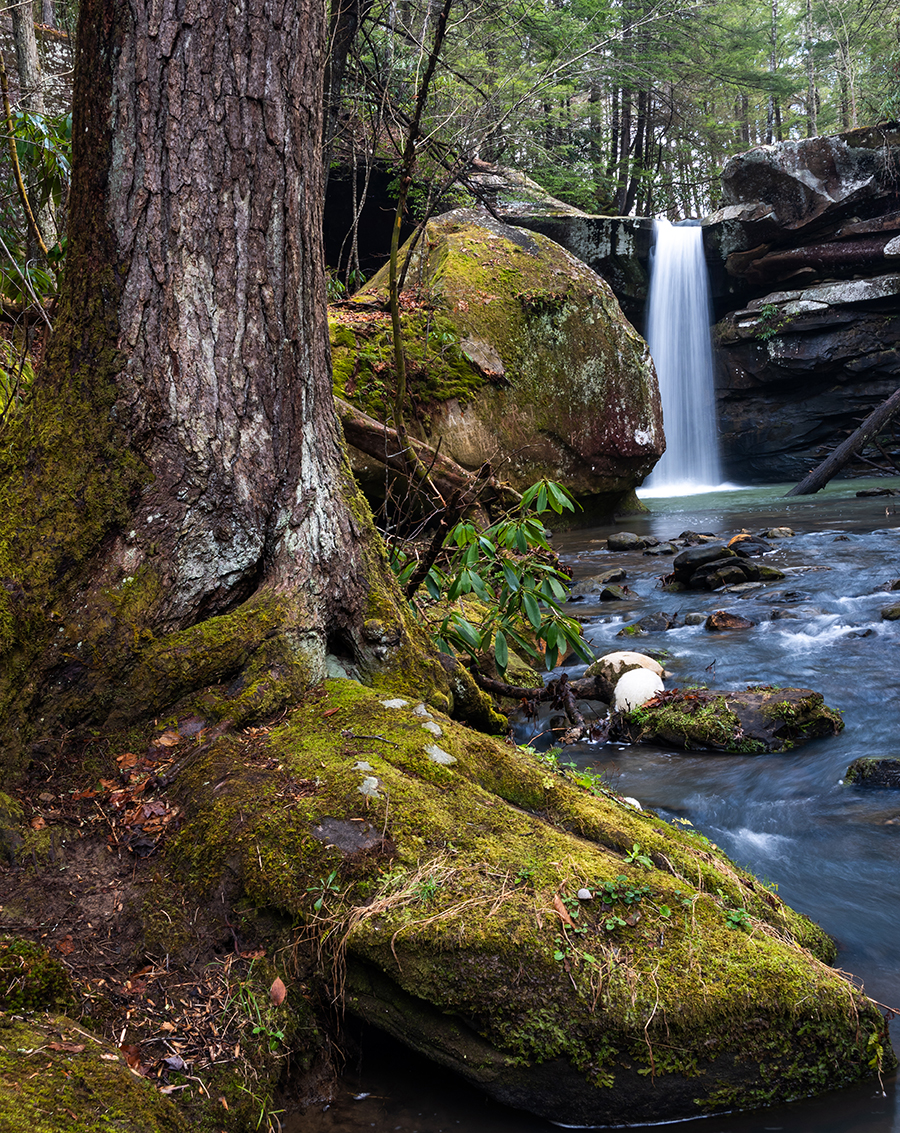
There are many large rocks covered in moss, so be careful where you step as it is very slippery. In total, you will hike around .6 miles and spend between 45 minutes to an hour if you do the entire hike. This part of Kentucky is naturally beautiful, making Flat Lick Falls a great destination. Though this waterfall is not grand in scale, its surrounding scenery makes up the difference.
Note: The shelter and tables can be reserved by calling 606-287-8562.
ABOUT THIS SERIES:
“Blue Ridge Waterfall Wednesdays” highlights a different waterfall each month from the Blue Ridge region. For the past two decades, Josh Moore has been exploring and capturing the beauty of this fantastic region he calls home. Josh is a professional photographer who has been published internationally, nationally and everything else in-between, and is widely known for his landscape/nature photography. See more of Josh’s work on his website, YouTube channel or on Instagram and Facebook.