Skip to content


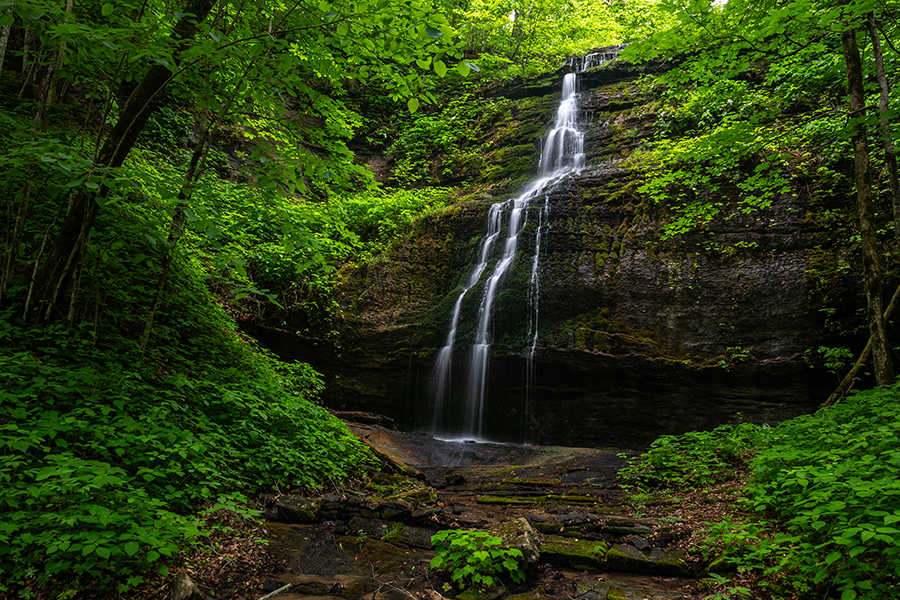
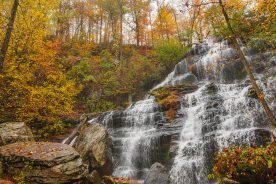
Kyles Ford Falls is a beautiful 40-ish-foot waterfall tucked away in Kyles Ford, Tennessee. This particular waterfall is also not all that well known, which is why it is as beautiful as it is. And I do mean remarkably beautiful.
Article & Photos Courtesy of Joshua Moore

The hike to the falls is roughly half a mile one way along the trail I chose. Another trail takes you over a couple of beaver dams, which is a bit longer. I chose the trailhead starting by the red barn located off Horton Ford Road in Kyles Ford. The trailhead is listed on Google Maps and will take you straight there.
From the parking area, you will see the trail just behind the gate; it starts as wide as a single-lane road. The trail is not handicap accessible, and even though the trail length is short, it is very challenging in places.
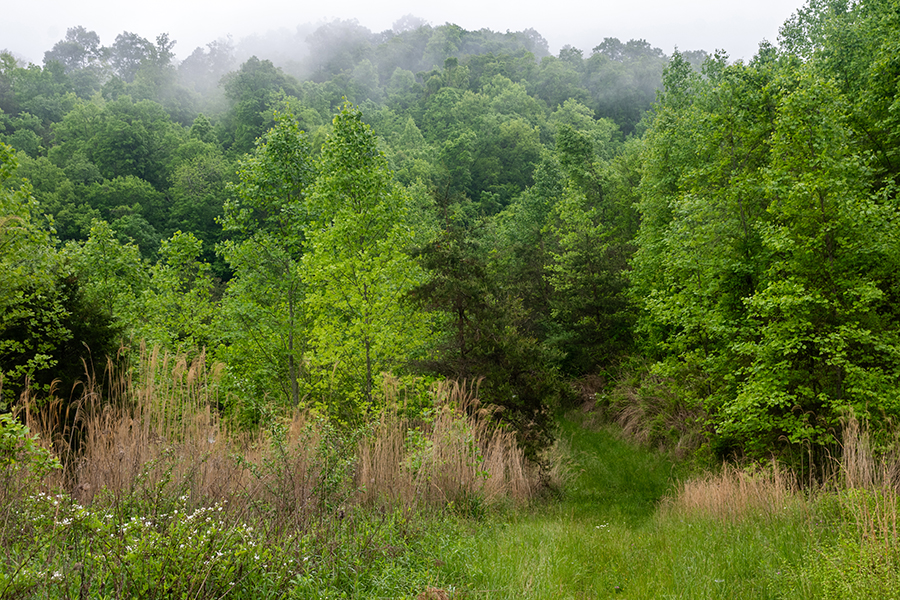
The trail head is straight up a large hill and splits after reaching the top of the hill. A sign used to be placed here. However, all you will see now is a metal pole. You will want to follow the path to the left of this pole. The trail then leads down to a beautiful meadow with a bit of marshland with cat tails. It’s a perfect spot for birding as well.
As you cross the meadow, you will be led to the edge of the forest, where it becomes breathtakingly beautiful.
As you begin to enter the forest, you will see a small creek with very little water flow. You will follow this creek through some of the most beautiful, unspoiled sections of forest I have ever seen. A tall, lush, green forest surrounds the trail, following the creek.
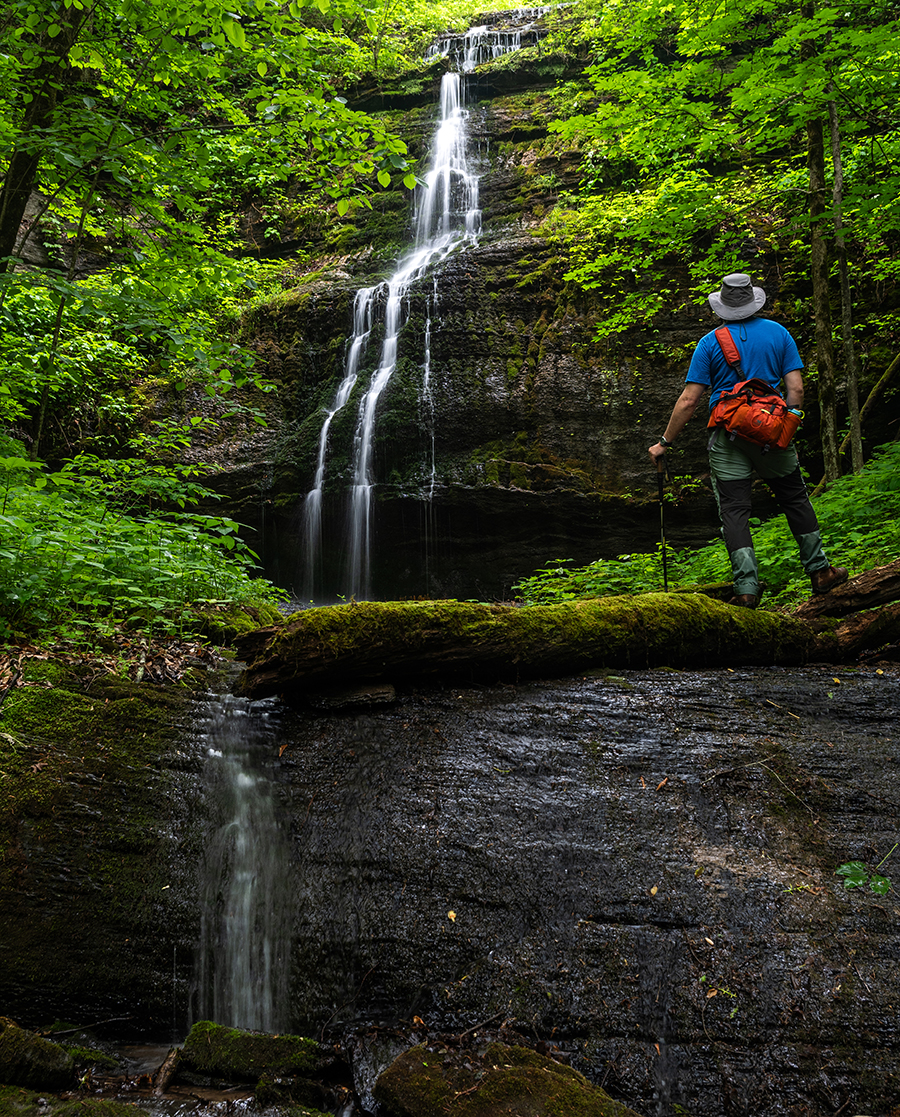
As you turn the corner from the top of the initial climb, you will start to hear the waterfall, then, as you turn the corner, you will see the falls in the distance, roughly 50 yards away. This is where it starts to become a bit challenging. The trail is very slick, and you are using the creek area in places. The trail is very rocky, and most of the rocks are loose. Take your time, and watch where you place your footing.
As you approach the falls, take in the view. You are surrounded by some of the Appalachian Mountains’ most beautiful forests. Its lush greenery surrounds the falls and the forest canopy towers above. You will be in one of the most unspoiled spots of Appalachia; it’ll almost feel like you are walking the pages of a storybook.
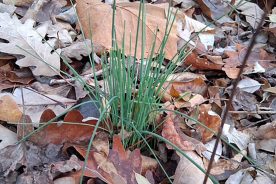
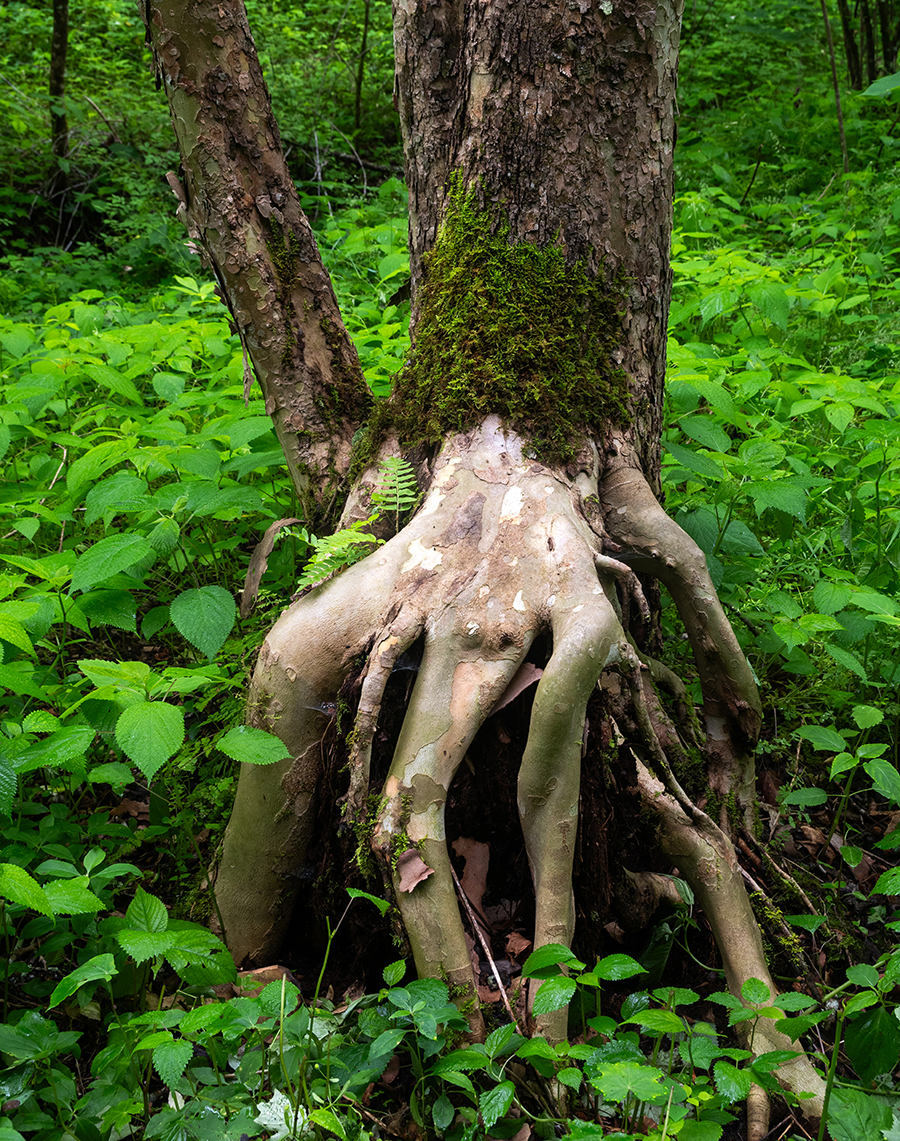
Trail Tip: Wear pants, or long, thick socks. Stinging Nettle lines the trail in the forest.
ABOUT THIS SERIES:
“Blue Ridge Waterfall Wednesdays” highlights a different waterfall each month from the Blue Ridge region. For the past two decades, Josh Moore has been exploring and capturing the beauty of this fantastic region he calls home. Josh is a professional photographer who has been published internationally, nationally and everything else in-between, and is widely known for his landscape/nature photography. See more of Josh’s work on his website, YouTube channel or on Instagram and Facebook.