Skip to content


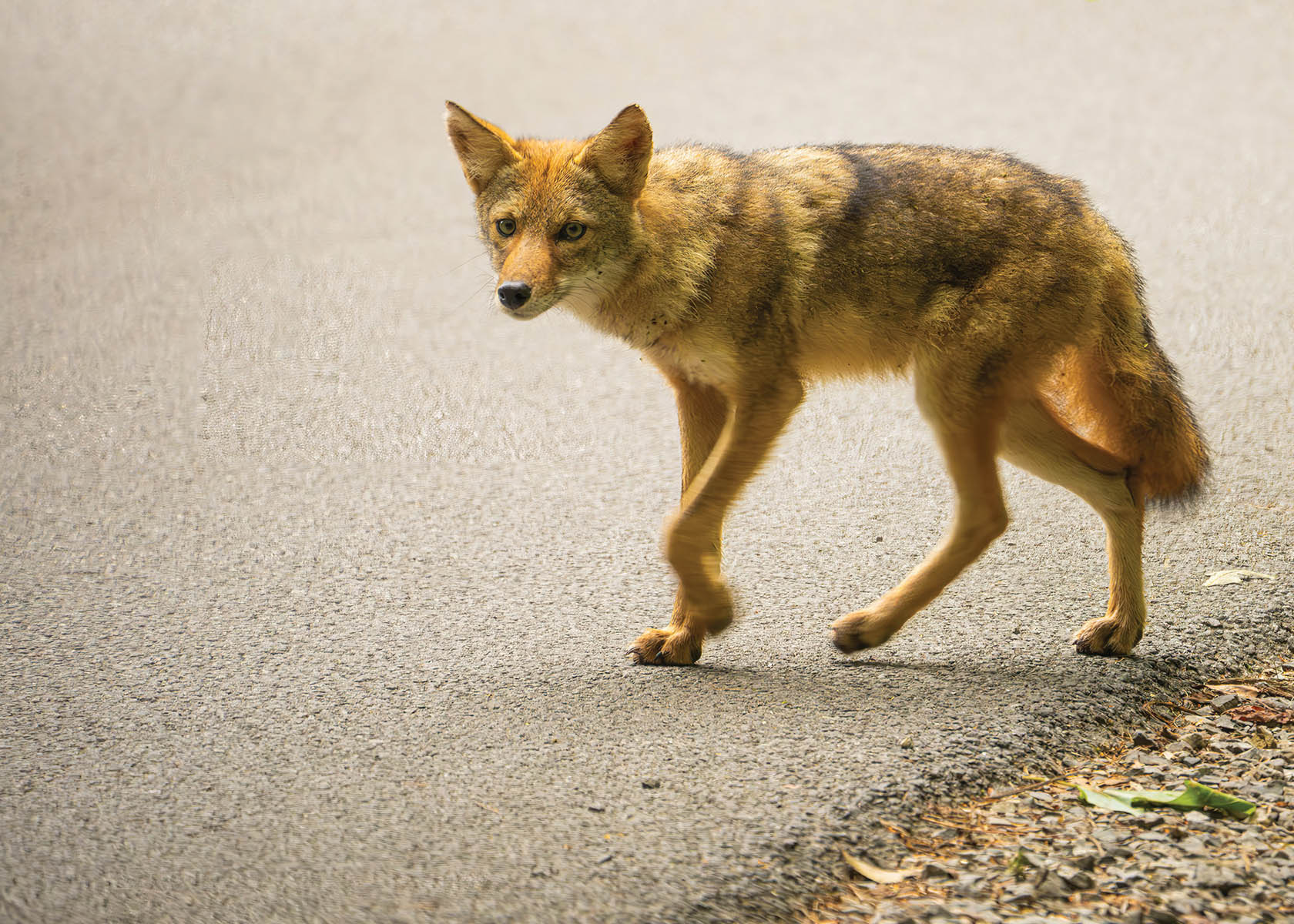
States across the Blue Ridge are investing in wildlife crossings to protect animals and improve roadway safety.
By Cat McCue / Photo courtesy of Lori A. Cash
For today’s wildlife lovers, perhaps the question is not “Why did the chicken cross the road?” but rather “How do deer, bears, opossums, and other creatures survive crossing the massive network of highways we’ve built across the landscape?”

In the late 1900s, animal-vehicle collisions rose dramatically due to rapid suburbanization. In 2008, a federal study estimated that 365 million vertebrates died each year on U.S. roads. More recently, a national nonprofit group found that on average, 26,000 people are injured and 200 are killed each year in crashes with large animals (primarily deer).
Wildlife biologists and transportation officials are exploring the use of specially designed overpasses, underpasses, expanded culverts, and fencing, which can reduce crashes upwards of 75 percent. The structures are increasingly important as various species shift their migration patterns due to the warming climate.
“The need for safe wildlife passage is becoming more urgent across the Southeast as traffic increases and natural areas become more fragmented,” said Misty Boos with Wildlands Network. “Investing in these crossings helps keep wildlife populations connected while making our roads safer for drivers.”
Several Blue Ridge states have taken steps to address the problem. In April, Virginia created a program for voluntary donations to build wildlife crossings that are prioritized in its 2023 Wildlife Corridor Action Plan. In North Carolina and Tennessee, more than 20 organizations and agencies collaborate on the “Safe Passage” initiative for I-40 and the Great Smoky Mountains National Park region. Kentucky and Georgia each received federal grant money from the 2021 Bipartisan Infrastructure Law to develop wildlife corridor plans.
So, next time you’re out tooling around on the backroads and byways of the Blue Ridge Mountains, keep a safe speed and a sharp eye out for all creatures, big and small.
The story above first appeared in our September/October 2026 issue.