Skip to content


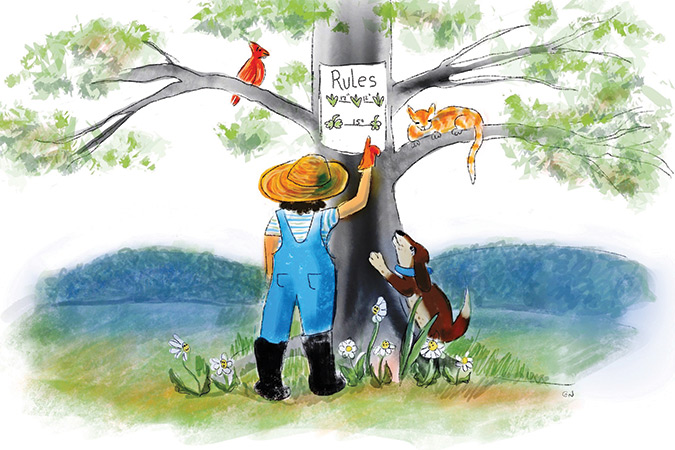
“What makes resisting temptation difficult for many people is they don’t want to discourage it completely.” –Franklin P. Jones
Any hint of spring weather makes me itch to put my fingers in the dirt, so on the first tolerable day, I go outside and examine the warming soil. There’s not much up, yet. Just a few crocuses and some brave daffodils, but they mark the boundaries of my cottage garden.
I call the area my cottage garden because I drew it all out on paper after reading a delightful book about English gardens. My little plot was meant to be, like its British cousins, informally delightful, filled with a mixture of ornamentals and edibles, and so densely planted that all it required of me was supreme admiration: a garden that got by on its abundant charm rather than its understated elegance.

Unfortunately, what it’s become is a garden that starts out with understated elegance, but ages into a cross between a cottage garden and a jungle. It’s all my fault. I’m too soft-hearted.
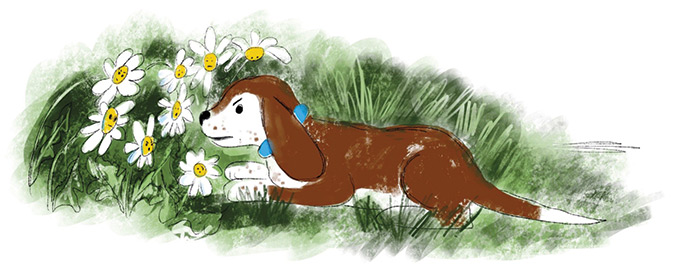
It starts like this. I go about the first round of weeding with great enthusiasm. Gardening is such a hopeful occupation in the spring of the year. I am careful to leave every intentional plant in place. But, I also leave their unintentional progeny. They’re so small and helpless. Surely they won’t take up too much room.
Within two weeks, the parent plants are reaching out and touching each other. “Hello, friend,” they seem to say. “Come share my space.” The unintentional progeny are stretching out a bit, too, but they are helping to fill in the empty spots and keep the weeds at bay. Leaving them was a great idea. I am proud of my polite hostas, and I applaud as the daylilies swoon against each other in ordered rows.
By the fourth week I’m questioning my tender heart. The once peaceful progeny are pushy. “That’s my sunlight.” “Quit hogging all the good dirt.” They are overrunning their parents and, in spite of the crowded conditions, there are once again weeds involved in the fray.
As I toss the weeds, there’s more room in the garden. It was the weeds causing all the ruckus, so I leave the innocent unintended progeny in place. You can never have too much of a good thing.
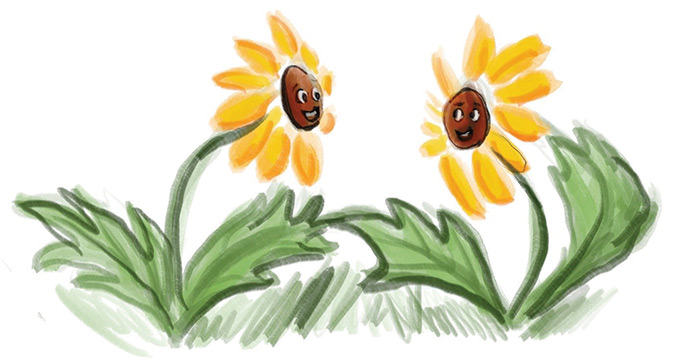
When the end of June rolls around, I will see what I’ve done. My cottage garden will be a tangled mess. Where I once had a lovely mixture of thyme, basil, dill, chives and cilantro, I will have a monoculture of bergamot or lemon balm.
The hostas will be hostage to the daylilies, and the cone flowers will have crowded out the coreopsis. My beautiful cottage garden will have devolved into a mob of protesting parent plants climbing over each other in their attempt to rise above their unruly children. Charm is of no use against anarchy.
But, right now, in the translucent lemon light of an early spring day, none of that seems likely. The plants are so little. They need me to love and nurture them.
Spring is an impossible time to be a stern gardener. After a winter full of brown stems and brown leaves and brown everything, green is just too darn alluring. I think, next June, as I consider the mess my lenience has loosed, I’ll try to be more like Jane Eyre. As she studied her unrequited love, the ungainly Mr. Rochester, she excused his shortcomings with this statement: “A loving eye is all the charm needed.” That’s all my garden needs, as well.
The story above appears in our March/April 2020 issue.