Welcome to Behind BRC!

mj
ja

Hi there and welcome to our new blog!

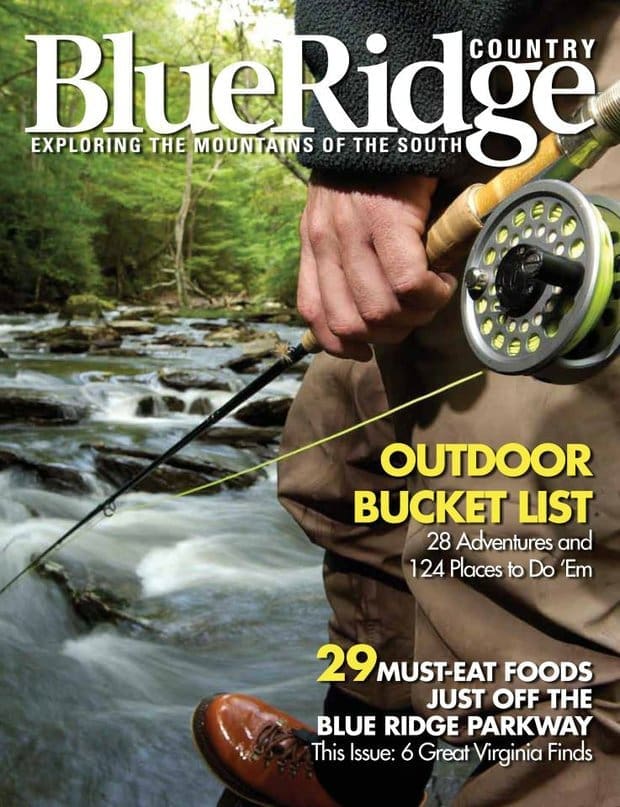
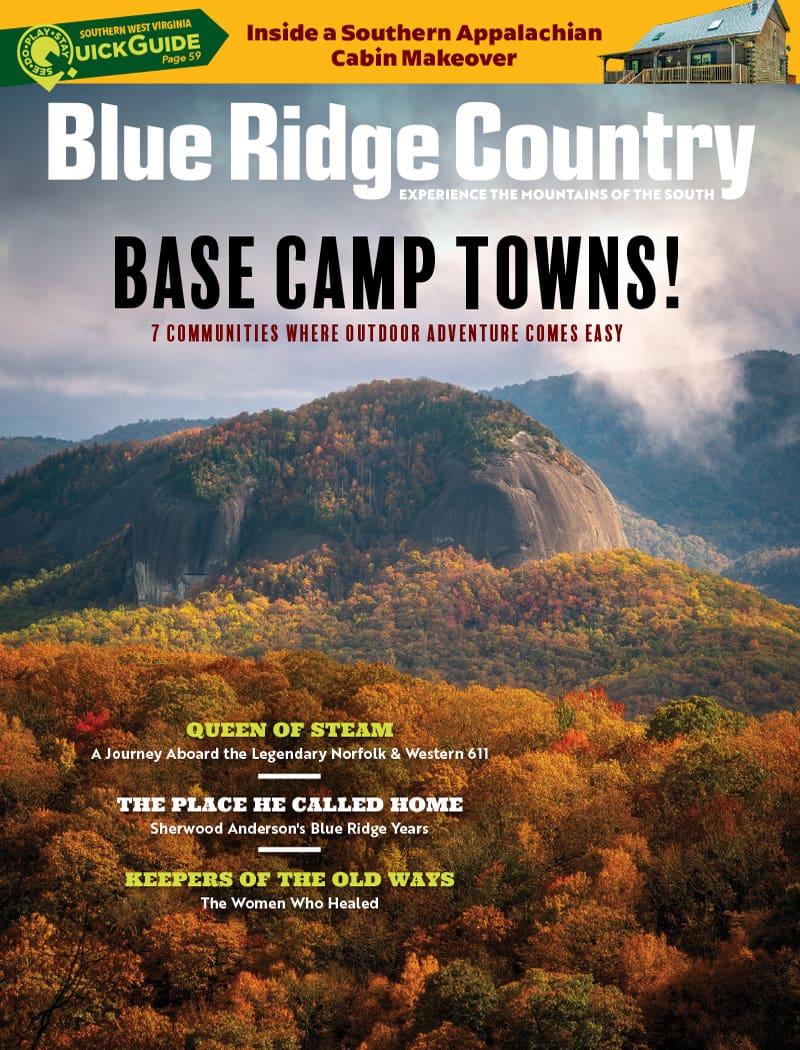
You already know Blue Ridge Country magazine: beautiful photos depicting gorgeous settings and unique articles that go deeper into the culture and people who make up our area. We’re proud to bring you each issue and judging by the nice things we hear, you’re enjoying it too! To thank you for your friendship, interest, and readership, we want to treat YOU to more of what Blue Ridge Country has to offer.

We are so excited about the upcoming things we’re planning for our readers. From sweepstakes and contests to upcoming cover sneak peeks and photos, we want to bring you the best that the Blue Ridge has to offer.

In the coming weeks, we’ll bring you exclusive behind the scenes material from our staff, whether it’s a piece from our writers on the road, a sneak peek at our cover as it hits the presses, or photos that didn’t make it into the current issue but we still love to show off!

We hope you’re as excited as we are for these fresh additions. Looking forward to showing off, hearing from you, and giving you all the updates and information you need to know. We can’t wait to bring you even more of the magazine you already love. Check back with us for more stories and updates each week!

You Might Also Like:

White jelly snow fungus growing in the author’s Botetourt County, Virginia woodlot.

May’s Wild Edible: White Jelly Snow Fungus

“Pass the fungus,” is not common dinnertime conversation in the Blue Ridge Mountains region, but that’s because folks perhaps have not heard of the white jelly snow fungus.
Wild garlic growing in Fayette County, West Virginia.

April’s Wild Edible: Wild Garlic

Fayette County, West Virginia’s Mitchell Dech is one of my foraging mentors, and when he wants me to try an edible new to me … I’m ready to learn about it.
A May apple in bloom in Southwest Virginia.

March’s Wild Edible: May Apple

Sometime this month in the Blue Ridge Mountains, one of these highlands’ signature spring plants will ease from the soil … the May apple (Podophyllum peltatum).
e1b70596-05c8-11f1-92e0-1248ae80e59d-3-2026rueanemone--credit-Joe-Cook

March’s Mountain Wildflower: Rue Anemone

A member of the buttercup family and found in the open woodlands, rue anemone (Thalictrum thalictroides) has long, thin stems that tremble in the slightest of winds—prompting its other common name, windflower.
Pokeweed growing in Floyd County, Virginia.

January’s Wild Edible: Pokeweed

Pokeweed is one of the wild plants that is most associated with the Blue Ridge Region.
A purple-spored puffball growing in a field in Botetourt County, VA.

December’s Wild Edible: Purple-Spored Puffball

The purple-spored typically grows in this region’s fields, often appearing from October through December and into early January.
d289022c-696f-11f0-a179-1248ae80e59d-CGZ_0845-011

Ride the Rails, Explore Rockbridge County: Make a Weekend of the 611 in Goshen!

This fall, one of America’s most iconic steam locomotives is making tracks and memories.
The compound, lancelike leaflets of the bitternut are a good identifier.

November’s Wild Edible: Bitternut Hickory

Frankly, this native species to the Blue Ridge mountains comes by its name honestly.
Mullein growing in Ingram's backyard.

October’s Wild Edible: Mullein

Earlier, this year, a lone mullein plant appeared along the fence that encloses my garden, which made me curious about this plant.
An indigo milk cap growing in Botetourt County, Virginia.

September’s Wild Edible: Indigo Milk Caps

When young, indigo milk caps are one of the most stunningly beautiful mushrooms in the Blue Ridge Mountains.

CALENDAR OF EVENTS