May’s Mountain Wildflower: Mayapple

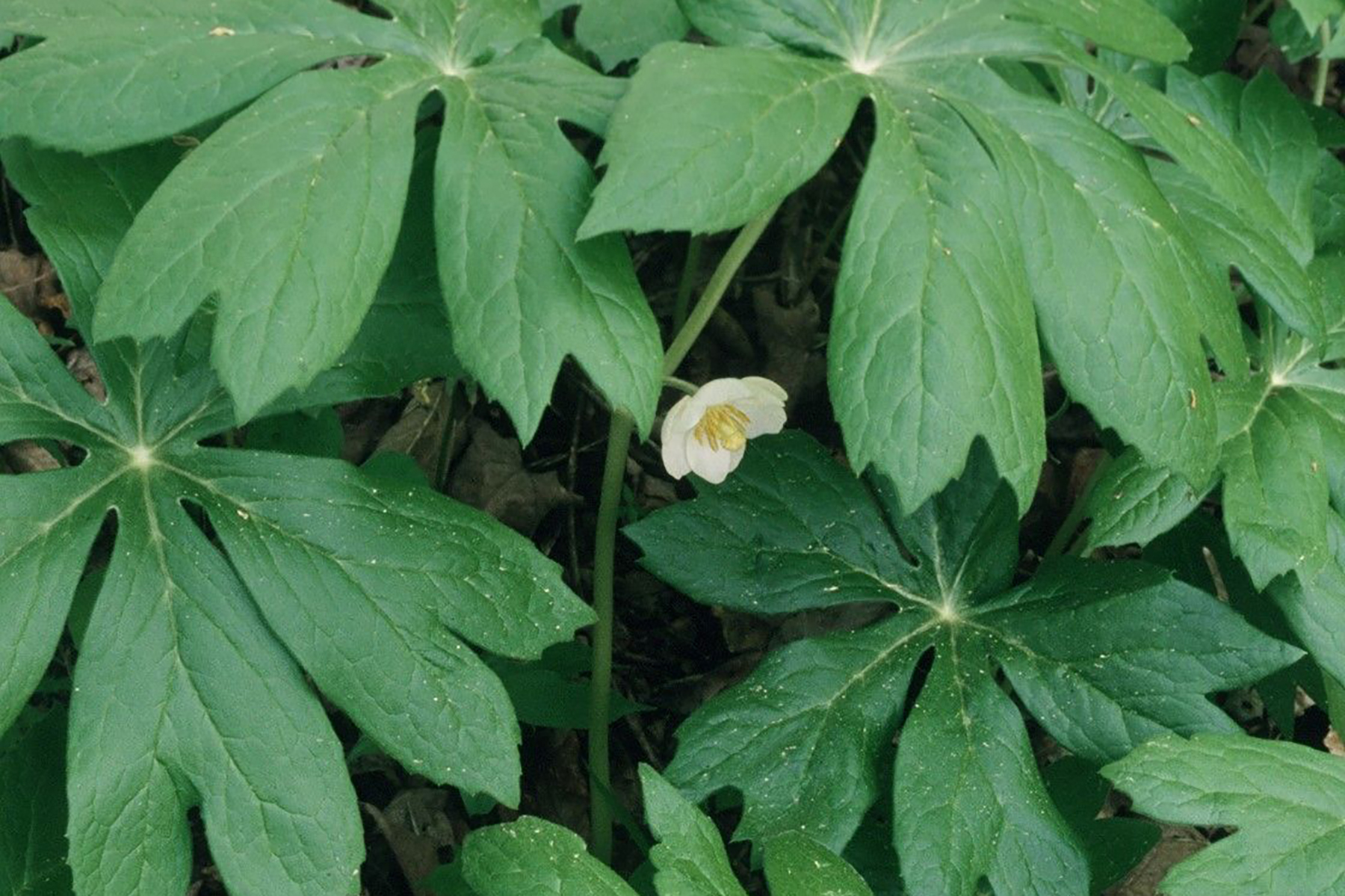
Mayapple. Credit Joe Cook and Monica Sheppard

Despite its name, the fruit, which looks more like a yellowish-green, egg-shaped berry than an apple, usually does not begin to develop until early to mid-summer.

Photo Credit Joe Cook and Monica Sheppard

Mayapple (Podophyllum peltatum) can make its appearance as early as March, about the same time bloodroot is blooming. Wrapped tightly around the stem when the plant is pushing its way out of the ground, the umbrella-like leaves soon open up to form huge carpets spreading out across much of the forest floor.

In the past this plant was used as a treatment for warts, but even today chemicals found in mayapple are used for medicinal purposes—podophyllin is used as a purgative and, along with peltatin, has been employed for the treatment of cancer and venereal disorders. Researchers have found that the latter substance affects DNA and RNA synthesis and discourages the growth of cells.

Despite its name, the fruit, which looks more like a yellowish-green, egg-shaped berry than an apple, usually does not begin to develop until early to midsummer. Many people think it has a disagreeable odor when it first appears, but its scent becomes more pleasant as it ripens.

Comments from those who have eaten the fruit range from “like a sweet lemon” to “tasteless” to “nauseating.” Euell Gibbons, an advocate of natural diets in the 1960s, felt that a bit of mayapple juice squeezed into lemonade improved the drink’s flavor, and some hikers have been known to use the juice to help mask the taste of iodine-purified water. Just be careful if you decide to do so; the apple is known to be a strong (and quick-acting!) laxative, and other parts of the plant contain a toxic poison that American Indians are said to have used to commit suicide.

Flower Fast Facts

FLOWER: A single, waxy, nodding, white flower grows from the middle of the fork of two leaves. About 1 inch in size, the flower has more than a dozen stamens with yellow anthers that emerge from the center of six to nine petals.

LEAVES AND STEM: Rising in height to about 1 foot, the two umbrella-like toothed leaves are divided into five to seven lobes. Plants with only one leaf do not bear flowers.

BLOOM SEASON: April-June


About This Series

“Mountain Wildflowers” features a wildflower from the Blue Ridge region each month from March to October. Leonard M. Adkins has written for Blue Ridge Country for more than two decades and is the author of 20 books about travel, hiking and nature. His Wildflowers of the Appalachian Trail, which received the prestigious National Outdoor Book Award, provides the photographs and some of the information he writes about in each “Mountain Wildflowers.” It and his other works may be obtained through his website.

You Might Also Like:

Trout Lilly. Credit Joe Cook and Monica Sheppard

April’s Mountain Wildflower: Trout Lily

Like its western relative the glacier lily (Erythronium grandiflorum), trout lily (Erythronium americanum) is often found pushing its way through a blanket of snow in early spring.
e1b70596-05c8-11f1-92e0-1248ae80e59d-3-2026rueanemone--credit-Joe-Cook

March’s Mountain Wildflower: Rue Anemone

A member of the buttercup family and found in the open woodlands, rue anemone (Thalictrum thalictroides) has long, thin stems that tremble in the slightest of winds—prompting its other common name, windflower.
ec3b964c-5201-11f0-968d-1248ae80e59d-9-2025spottedjewelweed--credit-Joe-Cook-and-Monica-Sheppard

September’s Mountain Wildflower: Spotted Jewelweed

Seek out spotted jewelweed growing beside a stream or along a moist area and you will have a good chance of getting to watch one or more ruby-throated hummingbirds flit from flower to flower.
b278bbc8-5202-11f0-9ff6-1248ae80e59d-10-2025butter-and-eggs--credit-Joe-Cook

October’s Mountain Wildflower: Butter-and-Eggs

Originally a native of Asia, butter-and-eggs (Linaria vulgaris) was introduced into the United States by way of Europe and can now be found in temperate zones throughout the world.
aafec0b2-51fe-11f0-9b55-1248ae80e59d-8-2025turk_s-caplilly--credit-Joe-Cook

August’s Mountain Wildflower: Turk’s Cap Lily

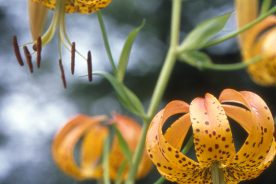
Its species name of superbum means “superb” and is an acknowledgment of the plant’s glamour and charm.
6a4d3a0e-51fd-11f0-9a83-1248ae80e59d-7-2025columbine--credit-Joe-Cook-and-Monica-Sheppard

July’s Mountain Wildflower: Columbine

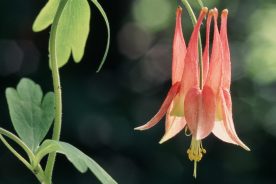
When the sun shines on columbine (Aquilegia Canadensis) flowers at just the right angle, they can take on the appearance of interestingly-shaped Japanese lanterns.
121fc91e-51f8-11f0-b6de-1248ae80e59d-6-2025catawbarhododendron--credt-Joe-Cook-and-Monica-Sheppard

June’s Mountain Wildflower: Catawba Rhododendron

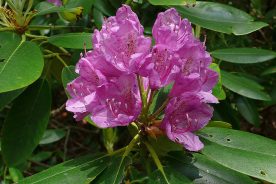
Blooming in late May and into June, Catawba rhododendron (Rhododendron catawbiensis) has pink to deep purple clusters of flowers that are so lush and awe inspiring that they have attracted people from around the world.
ca6fd290-2753-11f0-8efc-12163087a831-website_5-2025smoothsolomon_sseal--credt-Joe-Cook-and-Monica-Sheppard_1_

May’s Mountain Wildflower: Smooth Solomon’s Seal

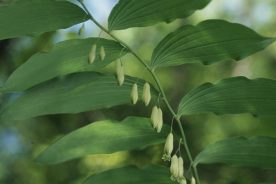
Because these plants cannot tolerate direct sunlight, you will not encounter the Solomon’s seals until the tree canopy has begun to leaf out.
ae8df4ae-0fec-11f0-9860-12163087a831-4-2025serviceberry--credit-Joe-Cook

April’s Mountain Wildflower: Serviceberry

Early springtime drives on an otherwise dull and monotonous four-lane highway can be transformed into wondrous trips by hillsides covered with splashes of white serviceberry (Amelanchier arborea) flowers.
901e31ac-f50f-11ef-8d7e-12163087a831-3-2025bloodroot--credit-Joe-Cook-and-Monica-Sheppard

March’s Mountain Wildflower: Bloodroot

One of the pleasures of a late winter/early spring walk in the woods is spying the tightly-wound green leaf of a bloodroot (Sanguinaria Canadensis) plant pushing its way through the frost-encrusted soil.

CALENDAR OF EVENTS