Skip to content



This young photographer uses river snorkeling to raise awareness around Blue Ridge waterways.
Photo Above: Bluehead Chub. Directly below a footbridge on the Appalachian Trail in Virginia, a male bluehead chub (Nocomis leptocephalus) is in the process of building a nest mound, a giant pile of thousands of pebbles in which a female chub will lay her eggs. Each spring, male chub spend days on end collecting stones with their mouths and carefully piling them together, a behavior which is fascinating to watch. Numerous other species have also evolved to spawn in the chub’s mound, and will swarm in the hundreds over the mounds.
Photos and captions by Loughran Cabe

Loughran Cabe was raised in an outdoorsy family in Virginia’s Shenandoah Valley and had an over-the-top love for nature—but when he discovered river snorkeling around age 15, something clicked.

“I’d been fishing and swimming all my life, but this was different,” says Cabe, who just turned 20. With the right conditions, you can strap on a diving mask, dip your head into a Blue Ridge stream and spot 30 to 50 species of fish alone. “It’s like a different world. The water is so clear you can see the sunlight dancing in the riffles. There’s so much life, so many colors: It’s like a magic trick.”
Cabe was hooked. But when he talked about the wonders of what he’d seen, people seemed skeptical: Wasn’t snorkeling meant for coral reefs?
“It’s like that old conservation saying, ‘You can’t care about what you don’t know about,’” says Cabe. Online research led him to a small community of enthusiasts using underwater photography to showcase freshwater ecosystems on social media. “I thought, ‘So this is what I need to do.’”
Cabe reached out to experts like Tennessee-based documentarian Casper Cox for tips.
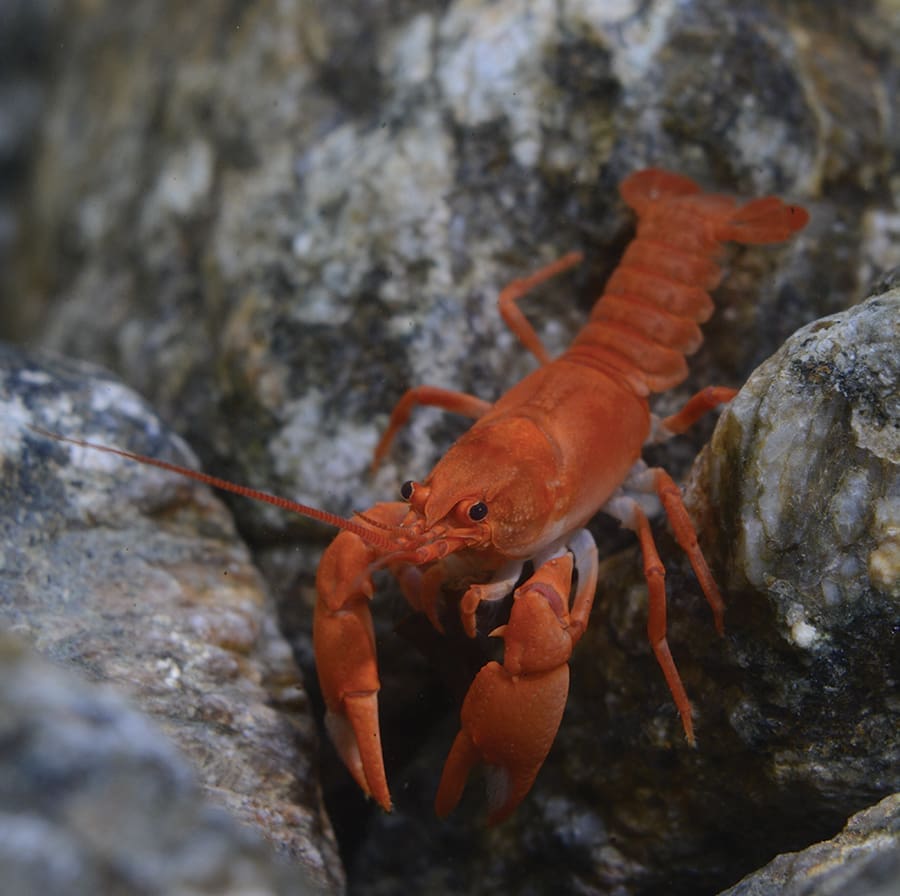
“It was crazy how welcoming they were,” says Cabe. “Here I was, this kid and total novice, and [the pros] were taking the time to answer all of my dumb questions.”
With their guidance, Cabe bought a cheap underwater casing and borrowed his mom’s old DSLR camera. He dug out a vintage wetsuit that belonged to his dad—a Washington and Lee biology professor—and hit the water.
Time, practice and obsessive tweaks led to big results. Friends, family and teachers were blown away. Area nature camps reached out about volunteer teaching opportunities. Mentors encouraged him to join organizations like the Native Fish Coalition and publish photos in magazines like Virginia Wildlife. The enthusiastic reception inspired Cabe to pursue a conservation-related degree at Oberlin College.
“This is my passion,” he says. “There’s this whole facet of nature that almost nobody pays attention to. My goal is to get people interested in the beauty and importance of these waterways and, ultimately, convince them they’re worth protecting.”
The story above first appeared in our July / August 2024 issue.