Skip to content


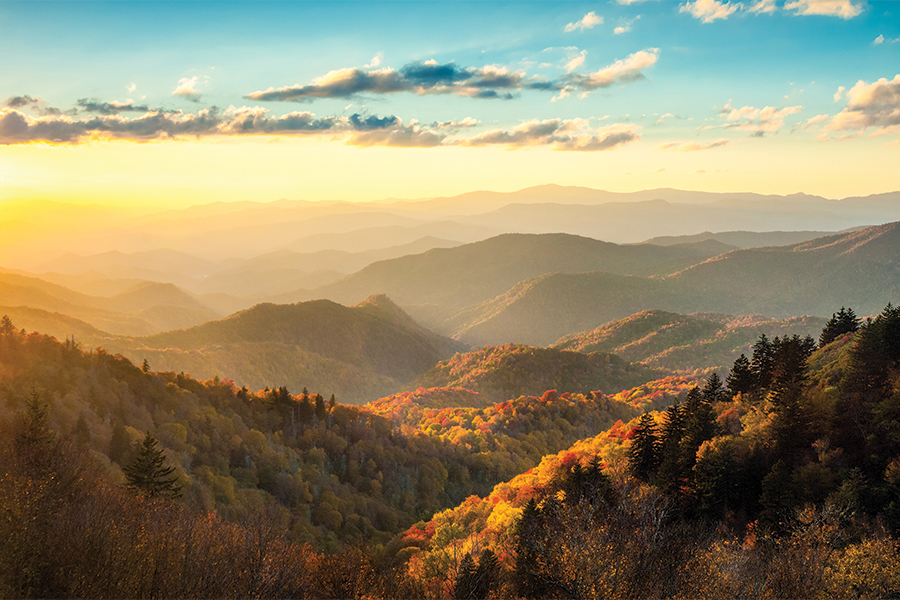
Our longtime contributing editor distills five decades of Smokies adventures into a best-of-autumn roundup only a true park regular could deliver.
Photo Above: Woolyback Overlook, Blue Ridge Parkway. © Robert Stephens
The Great Smoky Mountains National Park welcomes 13 million visitors per year, give or take. The reasons are almost as numerous as the people who come to experience its roughly 816 square miles. Natural wonders and human history, stunning views and breath-taking drives, family fun indoors and out, peaceful quiet and exciting adventures. The “best of” contenders could fill a book. Here are a few of our favorites.

Best…
Leaf Spots
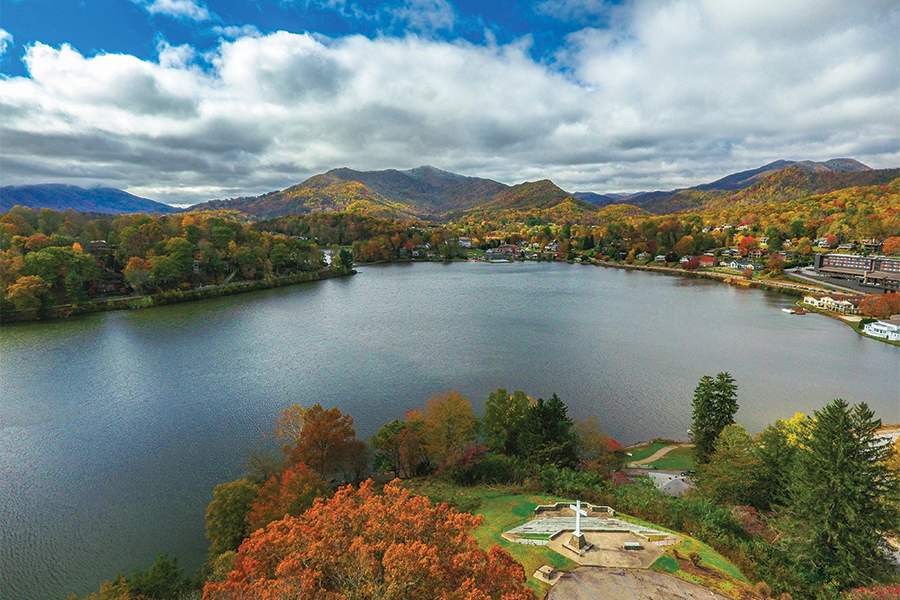
While there is no shortage of leaf-peeping spots in the Great Smoky Mountains, a couple of favorite locations offer stunning views. Keep in mind that higher elevations show their colors in early October and lower elevations change during mid to late October.
From the Blue Ridge Parkway at Milepost 458.2 take Heintooga Ridge Road (Balsam Mountain Road) for opportunities to view surrounding mountains and valleys. This 9-mile paved spur road has several pullouts with a peaceful stop at the Heintooga Overlook. For a rustic travel experience, drive the one-lane gravel extension, Heintooga-Round Bottom Road, that descends into the valley and leads to the Qualla Boundary.
If avoiding crowds is a goal in the country’s most visited national park, an insider tip for the busy fall season is to set your path upon Little River Road. (Specifically, the 18 miles between the Townsend “Y” and Sugarlands Visitor Center.) This drive can be undertaken at your own pace with multiple pullouts, overlooks, trailhead parking, quiet walkways, picnic areas and campgrounds — thereby dispersing other visitors along the way. Watch for seven numbered signposts and enjoy a close-up look at the fall colors.
Weekends
A weekend vacation in and around the Great Smoky Mountains would be like a sampler platter — so many wonderful things to see and do and so little time. Pick a destination. Explore. And carve out a week for the next trip.
Reserve a weekend getaway at a campground, chain hotel, mom-and-pop motel, resort or one of many mountain cabins in Townsend, Tennessee. Known as the “Peaceful Side of the Smokies,” this small town has all the comforts and very little of the crowds. Along with explorations in the national park, stop for a visit at the acclaimed Tuckaleechee Caverns, railroad museum, visitor center for maps and local info and the Great Smoky Mountains Heritage Center for some history.
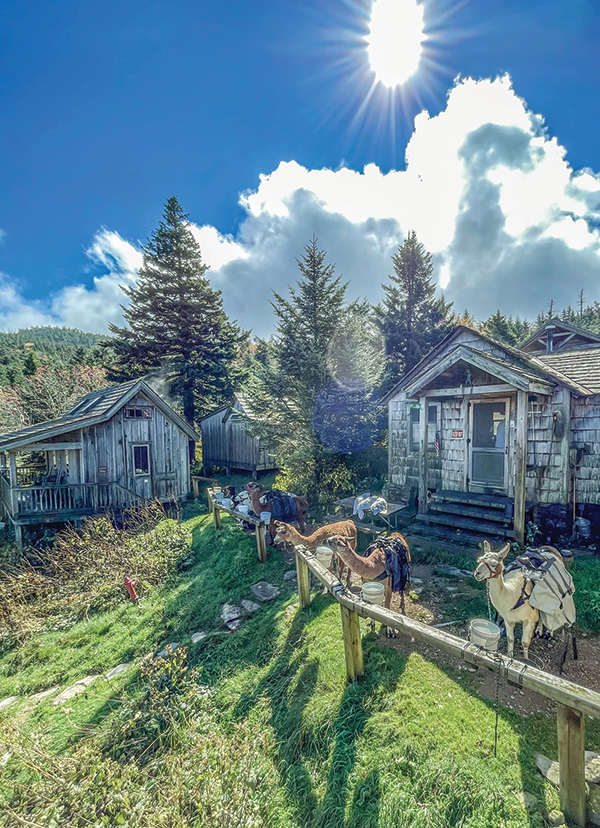
Also consider a weekend stay at the “highest guest lodge in the eastern United States” — LeConte Lodge. This is the only place in the park to stay overnight in a permanent structure, but it takes a bit of a commitment to do so. Specifically, a hike on one of five trails ranging from 5 miles to 9.1 miles one way. Since no one can drive here (and the supplies are brought to the lodge by llamas!), the experience is unique. Linens and meals are provided and guests stay the night in “hand built rough-hewn log cabins.”
Trails Less Traveled
Kit up for a variety of temperatures and conditions in preparation for a fall hike — snacks, water, trekking poles and warm clothing for layers.
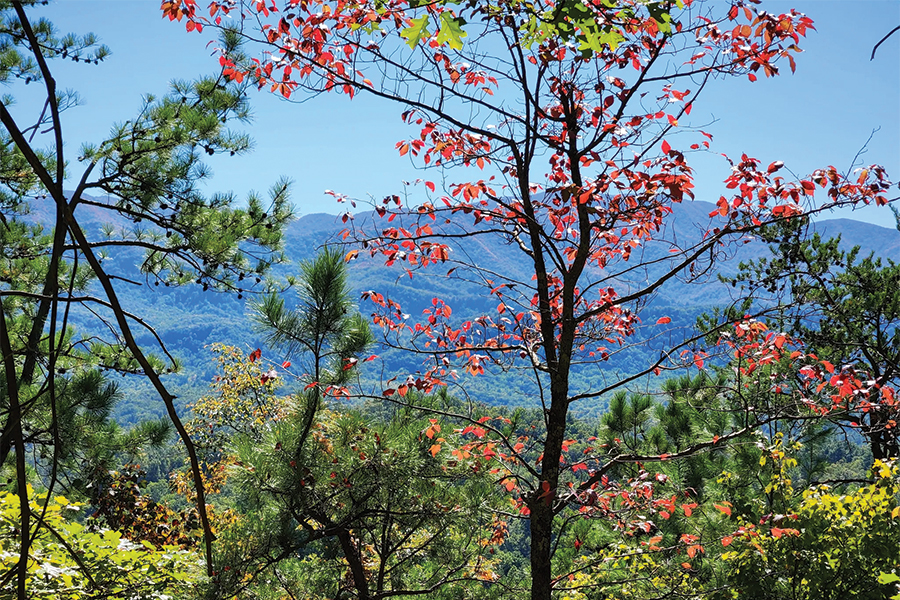
Our first trail-less-traveled just inside the Townsend entrance to the park offers plenty of parking and few hikers. Located right across the road from “the Y” river access is Chestnut Top Trail, a strenuous 8.6-mile round trip amongst the forest. With a total elevation gain of 1,486 feet, there are many opportunities to walk under fall colors and catch glimpses of mountain vistas along the way.
Travel up to historic Elkmont to access our second destination, Jakes Creek Trail, a moderate 3.7-mile loop trail that follows an old railroad route. This path offers a chance to see historic structures and higher elevation colors and enjoy rushing mountain streams. (Dogs are not allowed on this trail.) Stay the night in a backcountry campsite (No. 27) with the trail on one side and the stream on the other. Reservations and permits along with a nightly fee are required in the park. There are several other marked trails in this area that branch off into the wilderness.
Camping
For all the amenities and proximity to towns and facilities, select from one of the many resort-style campgrounds just outside the park. If quiet seclusion and camping in the forest are more to your liking, consider booking reservations inside the Great Smokies.
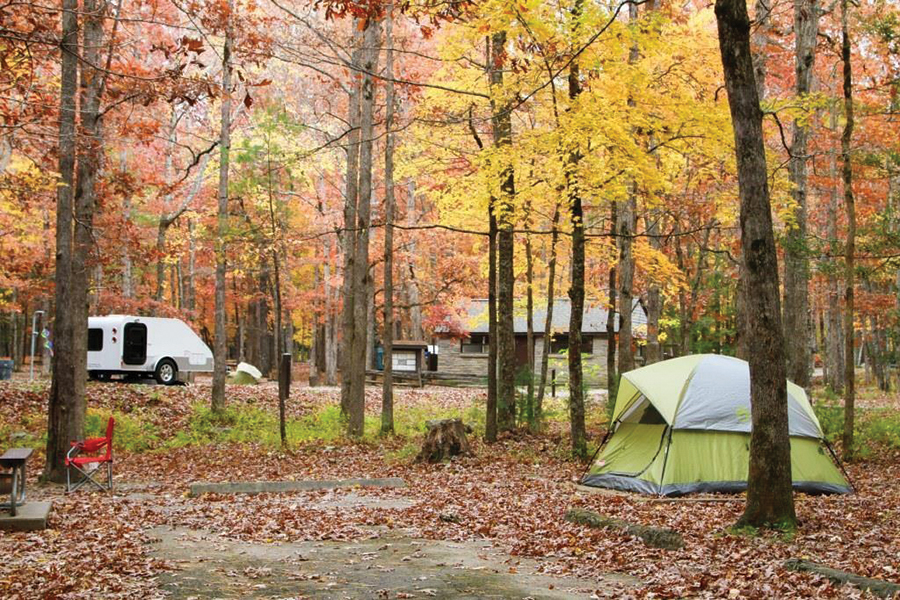
High elevation camping, at 5,310 feet to be exact, awaits at Balsam Mountain Campground. Located in a remote section of the park, this destination is less crowded and offers basic features: RV and tent sites, flush toilets, drinking water and seasonal staff. In keeping with the surrounding solitude, there is neither cell phone reception nor internet connectivity, no store, no hookups, no showers and no dump station — the perfect getaway! The campground closes for the season in mid-October.
Book a spot in a more developed (accessible) campground that still feels like a “primitive” experience — Cades Cove Campground. With sites available year-round, campers enjoy walkable (and drivable) access to the stunning mountain valley no matter the season. Find flush toilets and potable water throughout, along with a seasonal store, firewood vendor and park staff/ranger station on site. Enjoy a horseback ride, rent a bicycle, see programs at the amphitheater and bring along the four-legged family members. Reservations required.
Family Fun
Explore the towns surrounding the park for year-round family activities. Indoor experiences and outdoor adventures for all interests are sure to make fond memories for everyone.

Perhaps the most well-known destination in the area is Dollywood, which has grown into a complex of entertainment over the past 40 years. There are dozens of activities for kids of all ages in the theme park including coasters, swings, river rides, carousels, sky drops and a Wings of America educational bird show. Float, race and plunge in the water park and catch dinner and a show at Dolly Parton’s Stampede. Create a stay-and-play package with reservations at one of the Dollywood resorts.
Come see why Ripley’s Aquarium of the Smokies in Gatlinburg has welcomed millions of visitors to its aquatic world. Connect to the life and mysteries of land and sea creatures via interactive experiences. Visitors can sleep with sharks, ride in a glass bottom boat, tour behind the scenes, party with penguins and even have breakfast with a mermaid. This facility works tirelessly to protect and promote environmental responsibility through research, conservation, sustainability and rescue programs.
Museums

In and around the Smokies are several museums representing a variety of topics — gems and minerals, fly fishing, natural history, vehicles, moonshine, celebrities and even one dedicated to salt and pepper shakers. Of the many choices, the following two rank at the top of the list for an in-depth look at the mountains and its people.
Enter the park from the south on U.S. 441 and stop at the Oconaluftee Visitor Center. Walk among “one of the finest collections of historic log structures in the National Park system.” Carefully moved from around the park and reconstructed at this site is a log cabin made from American Chestnut, a barn, smokehouse, apple house, springhouse, hen house and working blacksmith shop. Open year-round.
One of the longest-operating tribal museums in the country awaits at the Museum of the Cherokee People. First built in 1948, this destination “shares the history, culture and stories of the Cherokee people through its exhibitions, collections and programs.” Check the calendar and hear specialists speak of cultural practices, watch artisans skillfully craft items and participate in a workshop series.
Wildlife Viewing
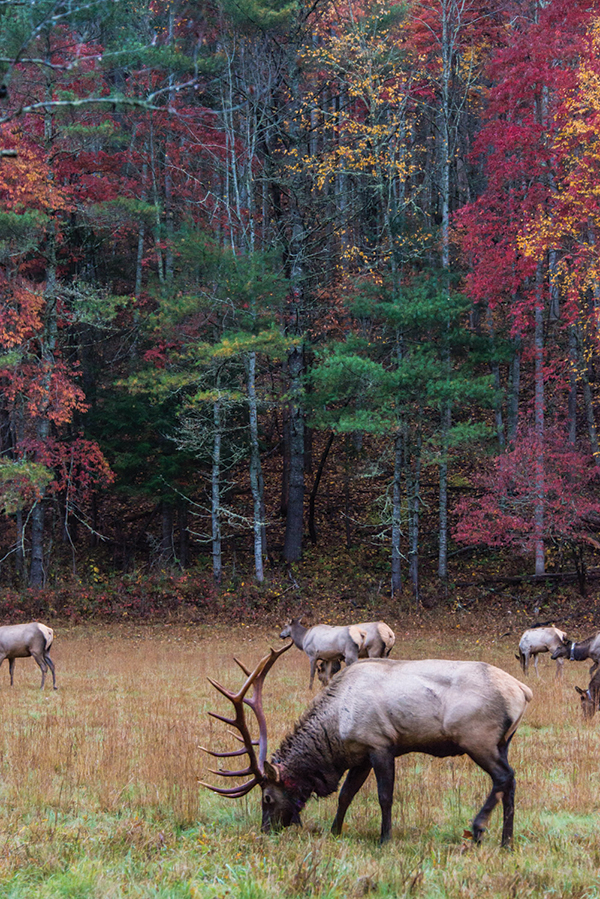
© David Simchock
Plan trips in the early morning and late afternoon to early evening hours for prime wildlife viewing opportunities. Two of the best spots, in addition to watching along roadsides, are Cades Cove and Cataloochee Valley. Both have wide open spaces, so take along binoculars for up-close looks at respectful distances.
The 11-mile paved loop road in Cades Cove offers many spots to stop along the way. Travel by car or bicycle and keep an eye open along the edges of forests and in the fields of this broad valley. White-tailed deer, wild turkeys and black bears are often just in view and coyotes may be heard in the evenings. There is also an abundance of migratory bird species in the fall.
The isolated Cataloochee Valley on the North Carolina side of the park is most famous for its elk population. Joining the resident black bears, wild turkeys and white-tailed deer, this native species once again lives here because of a successful reintroduction program. As with all animals in the national park, particularly the large ones (female elk can weigh 500 pounds and males 700 pounds), only watch from a distance for everyone’s safety.
Waterfalls
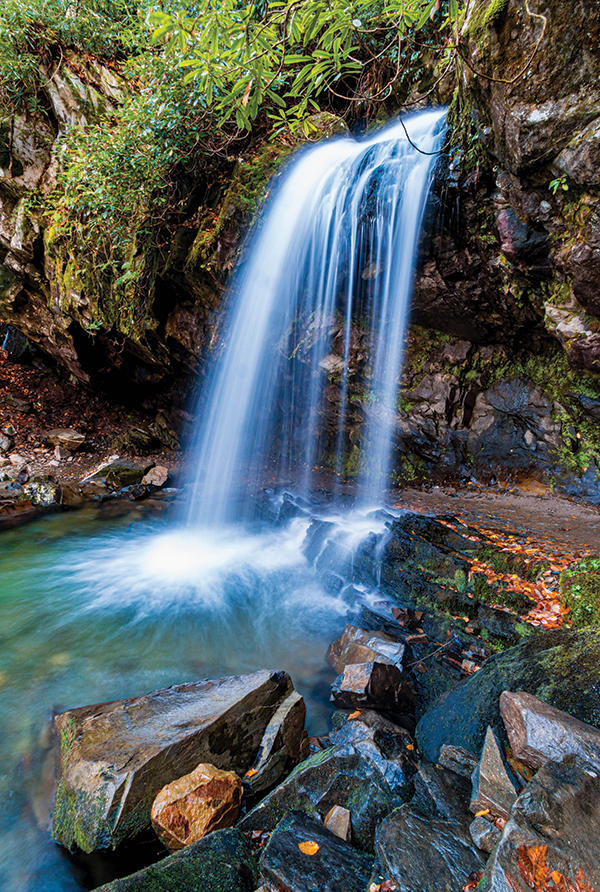
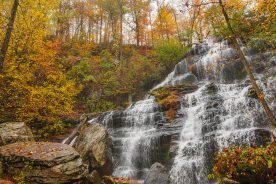
The Smokies offer over 100 waterfalls thanks to plenty of rain and significant changes in elevation. After visiting some of the more well-known destinations like Laurel, Rainbow, Abrams and Ramsey Cascades (the tallest in the park at 100 feet), stop by these favorites.
For a one-of-a-kind experience, drive the Roaring Fork Motor Nature Trail to Trillium Gap Trail. Hike the 2.6-mile out-and-back to the 25-foot Grotto Falls where you get to walk behind the waterfall — the only trail in the park with this up-close access. It is also the perfect spot for a family picnic or dipping your toes in the cold, clear mountain water. Be advised that parking is often at a premium here, so consider taking a shuttle from Gatlinburg.
Two waterfalls are close to the roadside and can be quite dramatic depending on the weather. The Sinks on Little River Road (12 miles west of Sugarlands Visitor Center) can be a thunderous, massive volume of water after a good rain. Parking and a viewing area are easily accessible and keep everyone safe. Meigs Falls can be seen from your car at the pullout on Little River Road (7 miles east of Townsend). It is much wider after the rain and can freeze into gorgeous ice formations in winter.
Fishing
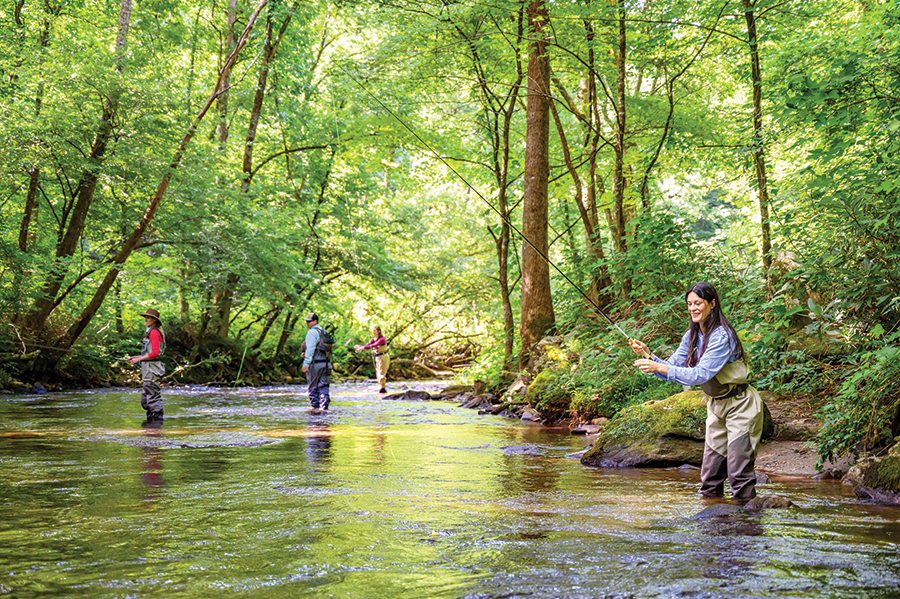
Fall in the Smokies is a favorite time for anglers. The biting insects are few, lower water levels mean slower and clearer streams and trout fishing abounds. Grab your gear and find a spot or consider hiring a guide for fly fishing insider tips and the best locations. Both Tennessee and North Carolina require proper fishing licenses.
© VisitNC.com
Flowing 60 miles through western North Carolina, the Tuckasegee River is famous for trout fishing. Rainbow, brown and brook are plentiful in this stocked river with Delayed Harvest Program (catch-and-release) sections. Bryson City offers easy access for fishing from the riverbank or wading into the stream. Reports state “there are more trout per mile than any other river in western North Carolina” in the Sylva and Dillsboro areas of the river. Other species in the “Tuck” include bass, walleye, muskie, catfish and more.
While in the Bryson City area, spend some time on (and in) Deep Creek. Known for its technical fly-fishing challenges, this mountain waterway is specifically famous for its larger brown trout. Spawning in fall makes this species “more aggressive and easier to catch.” The Deep Creek Trail and Campground offer many access points.
Vistas
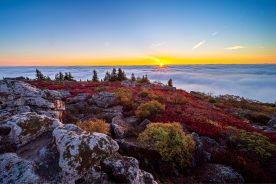
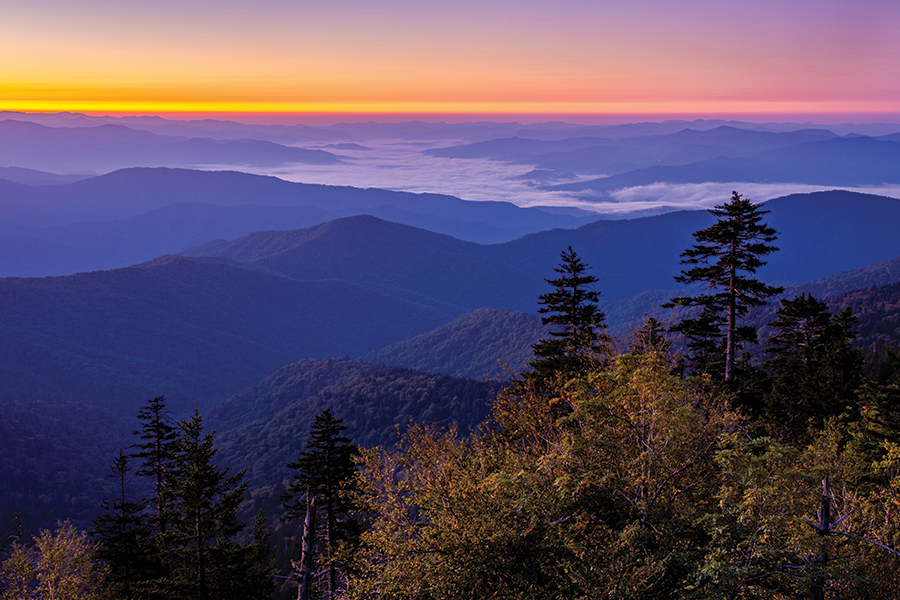
Multiple vistas across the 522,427-acre park offer glimpses of valleys, ridgelines, peaks and vast expanses of wilderness. The long-range views and orientation of the land make for exceptional sunrise and sunset moments in addition to colorful fall photos.
© Joshua Moore
One of the best spots to see for miles and miles (up to 100 of them across seven states on a clear day) is from the highest peak in the Smokies: Kuwohi, formerly known as Clingmans Dome. This coniferous rainforest summit is a sacred location for First Nation Cherokee. At this point is a 54-foot observation tower reached via a steeply ascending manmade walkway. Once on top, the view is 360 degrees with cooler temperatures.
For a quiet drive with scenic vistas, take a leisurely trip along the Foothills Parkway. Following along the northwestern foothills of the Smokies, this roadway is still a work in progress. Two basic sections are open (totaling approximately 39 miles) and are consistently rated “among the prettiest drives in the country.” Long sightlines include the mountains, valleys and a plateau to the west. Be sure to take the easy paved trail accessible for wheelchairs and strollers to Look Rock for panoramic views up to 50 miles.
Scenic Drives
© Joshua Moore
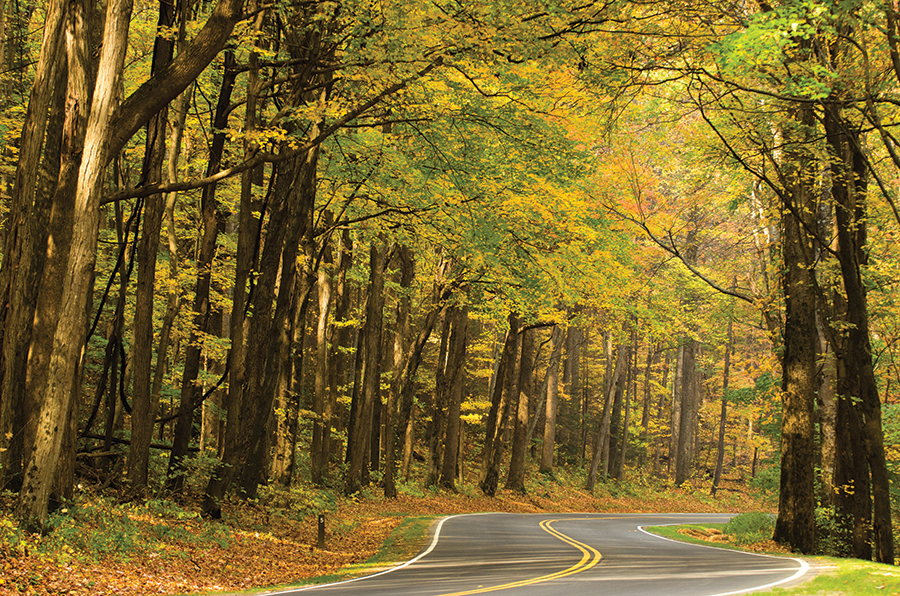
After decades of traveling, well, all the roads in the park and likely irritating the drivers behind me who are in a hurry, the choice for “best drive” for this writer is admittedly a tough one! So here are two recommendations that represent some of the park’s “best” attributes. Check the seasonal road status for any weather-related closures.
A drive through the Smokies will likely include some portion of U.S. 441 or Newfound Gap Road. This iconic winding scenic byway is 31 miles in length, connecting Gatlinburg, Tennessee, to Cherokee, North Carolina. It offers a sampling of the diverse forests and ecosystems with many opportunities to pull off the road and just look. Stop at the Gap (elevation 5,046 feet) on the state line to see where President Franklin D. Roosevelt formally dedicated the Great Smoky Mountains National Park in 1940.
Grab an auto-tour guide at a visitor center, purchase a parking tag and take a leisurely drive on the Roaring Fork Motor Nature Trail. This 5.5-mile loop (one-way and paved) immerses visitors in diverse and old-growth forests, offers the chance for light hikes and showcases historic structures. (Be sure to walk the Ogle Self-Guiding Nature Trail for “an authentic glimpse of a mountain farmstead.”) Located just five minutes from Gatlinburg.
Historic Spots
Include some time to learn about the natural and cultural history of the Smokies during a fall trip. In addition to visiting the well-known destinations like the restored village of Elkmont, gristmill and cabins of Cades Cove and preserved structures in Cataloochee Valley, stop by a couple of lesser-known locations to experience the past.
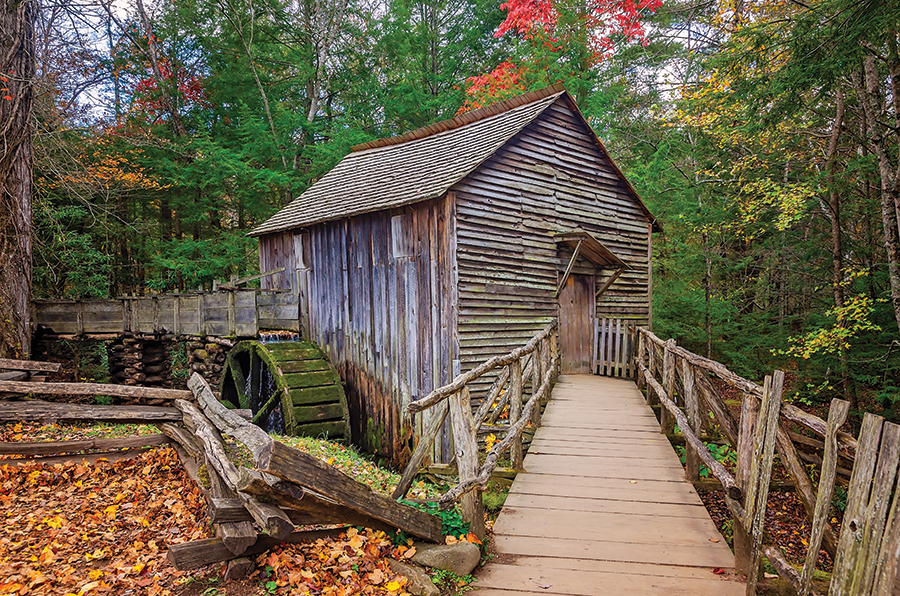
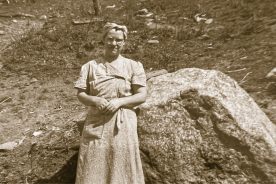
Take a 1.4-mile hike from the Metcalf Bottoms Picnic Area to the Walker Sisters Place. These five sisters, out of 11 children, continued to live by traditional mountain ways for decades after the park was established. They successfully farmed, made textiles, sustained themselves and eventually welcomed visitors when the park opened. The site has their cabin, a corn crib, a springhouse and a distinct atmosphere of times past.
Travel to Swain County, North Carolina, for a short 6-mile drive on Lakeview Drive or as it is known to the locals, the “Road to Nowhere – A Broken Promise.” Ending abruptly at a tunnel, this road was meant to follow along the north shore of the 1940s dam-created Fontana Lake so displaced families could access family sites and cemeteries. It was never completed. Now the quarter-mile tunnel is a destination for pedestrians (and horseback riders) to enter the forest on the other side. Bring a flashlight.
The story above first appeared in our September / October 2025 issue.